Do Jeans Expand or Shrink When Washed? An Expert’s Guide to Denim Care
- Share
- Issue Time
- Jan 21,2026
Summary
Do jeans shrink or stretch? Learn the truth about denim behavior, fabric composition, and washing techniques from manufacturing experts.
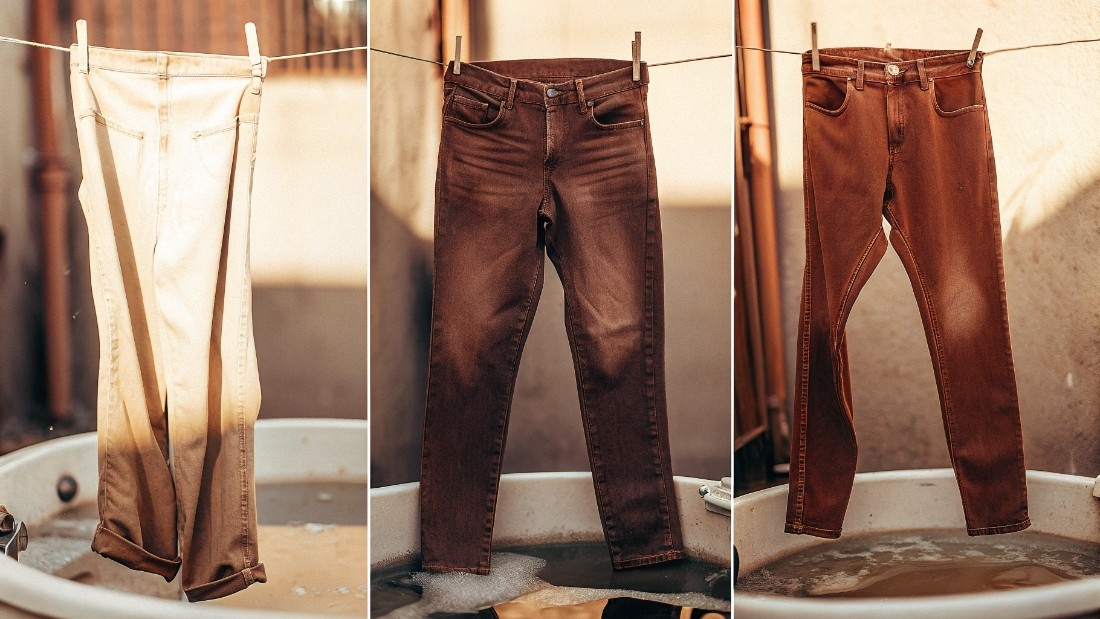
Whether you are a raw denim purist or simply trying to preserve the perfect fit of a new sample, the question of dimensional stability—shrinkage versus expansion—is critical. The answer isn't a simple binary; it relies on complex variables including fiber content, weave tension, wash temperature, and agitation methods.
For designers and consumers alike, understanding these mechanics is essential. Drawing from 20 years of denim manufacturing experience, this guide cuts through the guesswork to provide technical insights and practical care strategies that ensure fit consistency from the showroom to the street.
Jeans typically shrink 2–5% in length and width when washed in hot water and tumble-dried. Raw, unsanforized denim exhibits the most dramatic change (up to 10%), while sanforized or stretch denim generally shrinks less than 3%. Cold-water washes and air-drying can virtually eliminate unwanted size changes. However, mechanical stress from regular wear will relax fibers over time, causing a slight stretch (about 1–2%).
Why Do Jeans Change Size After Washing?
Jeans change size due to the inherent properties of cotton fibers, water temperature, mechanical agitation, and the inclusion of elastane. Higher cotton content correlates with higher shrinkage potential—especially in hot water. While elastane mitigates shrinkage, it can lead to over-relaxation or "bagging" over time. Sanforization pre-shrinks denim to under 3%, whereas untreated raw denim may shrink up to 10%.
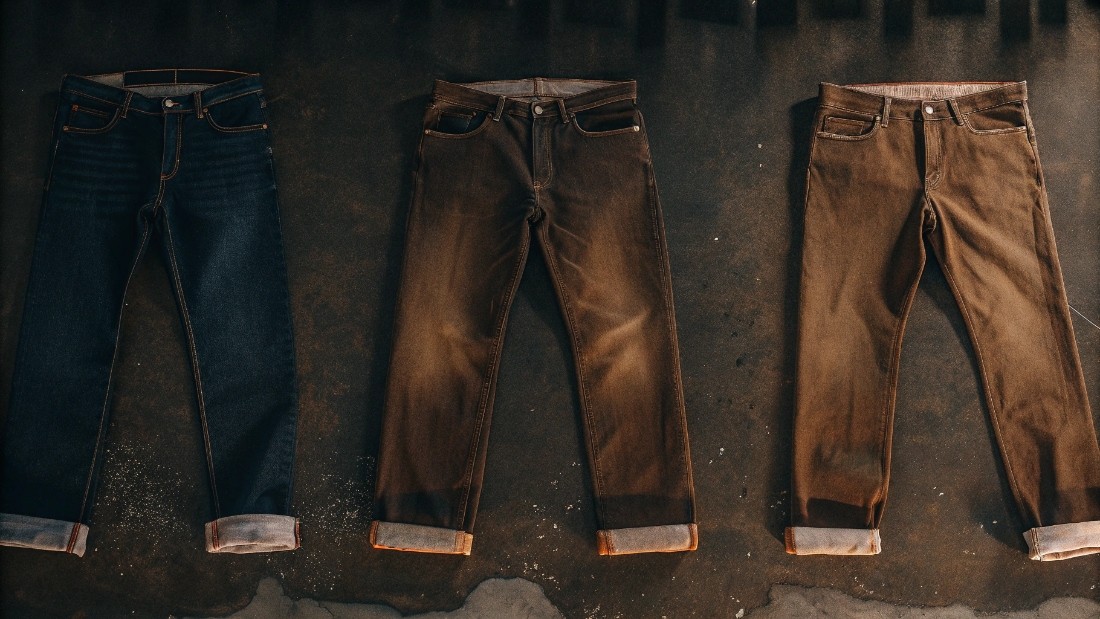
Cotton fibers function similarly to microscopic springs. Upon absorbing water, they swell and contract, resulting in shrinkage. The higher the cotton percentage, the stronger the fiber's "memory" to return to its original, un-tensioned state. This explains why 100% raw denim behaves differently than a 98/2 cotton-elastane blend.
Key Factors Influencing Dimensional Stability
Fiber Content:
100% Cotton (Raw/Unsanforized):Can shrink 5–10%.
Sanforized Denim: Pre-shrunk mechanically to limit shrinkage to 1–3%.
Stretch Blends (e.g., 98% Cotton/2% Elastane): Typically shrink 1–2% but possess higher recovery properties.
Water Temperature & Agitation:
Hot Water (>40°C/104°F): Rapidly opens fibers, accelerating contraction.
Cold Water (<30°C/86°F):Minimizes fiber contraction and prevents dye loss.
Agitation: Heavy mechanical action (standard cycles) can cause cotton "felting," intensifying shrinkage.
Drying Method:
Tumble-Drying (High Heat): Can induce an additional 2–5% shrinkage.
Air-Drying: Prevents thermal constriction but may allow minor relaxation at stress points (waist, knees).
Sanforization & Treatments:
Sanforized: Controlled mechanical compression stabilizes the fabric before garment construction.
Unsanforized: Retains the "shrink-to-fit" characteristic, requiring an allowance for up to 10% initial shrinkage.
It is crucial to note that size change is dynamic. While washing induces shrinkage, body heat and movement during wear will relax the fibers, causing the fabric to stretch back out by 1–3%. Mastering fit requires balancing these competing forces.
How Much Will My Jeans Shrink or Stretch?
Shrinkage and stretch profiles vary by fabric type. Raw, unsanforized denim can shrink up to 10% initially; sanforized denim, 1–3%; and stretch blends, under 2%. With regular wear, expect a gradual relaxation of 1–2% in high-tension areas like the waist and knees. Loose fits (baggy, relaxed) show less perceptible change, while fitted styles (skinny, tapered) make even minor fluctuations noticeable.
When planning a collection or advising customers, understanding these variance profiles is vital for accurate sizing specifications.
Table 1: Typical Denim Shrinkage & Stretch Profiles
| Denim Type | Initial Shrinkage | Long-Term Stretch | Notes |
| 100% Raw/Unsanforized | 8–10% | 1–3% | Classic shrink-to-fit behavio |
Sanforized Cotton | 1–3% | 1–2% | Standard for commercial denim |
Stretch Denim (98/2) | <2% | 2–4% | High shape retention; potential bagging |
| Relaxed/Baggy Styles | 2–4% | 1–3% | Looser weave makes change less obvious |
| Skinny/Tapered Styles | 3–5% | 1–3% | High sensitivity to circumferential change |
Raw denim enthusiasts often leverage the "shrink-to-fit" process to achieve a custom mold. Conversely, mass-market collections rely on sanforization and elastane for consistency. For baggy silhouettes, these variances might be negligible. However, for precision fits like skinny or selvedge cuts, a 1% change in circumference is structurally significant.
Laundering habits further influence these metrics. Repeated hot washing compounds shrinkage in unsanforized goods, while cold washing stabilizes dimensions. Advanced commercial laundering techniques, such as steam tensioning, can "lock" dimensions—a valuable consideration for bulk production.
Which Washing and Drying Methods Minimize Unwanted Changes?
To maximize dimensional stability, wash denim in cold water on a gentle cycle, inside-out, using mild detergent. Avoid tumble drying; instead, line dry or lay flat. If machine drying is necessary, use low heat and remove while damp. Avoid bleach and softeners. Adding white vinegar occasionally can help set indigo and soften fibers without compromising structure.
The longevity of a garment’s fit is determined by the care it receives. Here is the technical breakdown:
Temperature Control:
30C (86F): Optimal for preserving dye integrity and minimizing shrinkage.
40C (104F): Acceptable for heavyweights, but introduces 1-2% potential shrinkage.
>50C (122F): Only for specific shrinking of rugged, unsanforized fabrics.
Chemicals & Additives:
Select pH-neutral, enzyme-free detergents formulated for dark textiles.
Avoid optical brighteners and bleach, which degrade fibers and strip indigo.
White Vinegar: A weak acid (2-1 cup) helps neutralize alkalinity, setting the dye and softening thehand feel without breaking down fibers.
Mechanical Settings:
Gentle Cycles: Reduce friction and fiber felting.
Inside-Out: Protects the fabric face and hardware from abrasion.
Reduced Spin: Minimizes centrifugal stress on the yarns.
Drying Protocols:
Flat Dry: Prevents gravity-induced stretching of the waistband.
Hang Dry: Encourages a naturally tapered leg via gravity.
Tumble Dry: Only use low heat if essential. Remove while damp to reshape manually.
By adhering to cold washing and low agitation, dimensional change can be restricted to under 1%. Educating consumers on spot-cleaning and extended wear between washes also supports sustainability goals while preserving the desired "broken-in" aesthetic.
How Can You Restore or Maintain the Perfect Fit?
To address tightness, use damp stretching: mist the area, wear the jeans, and perform movements (squats, lunges) to relax fibers. For looseness, professional alteration is preferred. Pre-wash treatments like salt baths or steam setting can stabilize raw denim before its initial wash, ensuring predictable results.
Post-production or post-purchase, several strategies can rectify fit issues:
Mechanical Stretching Techniques:
1. Damp Stretch: Lightly misting tight zones (waist, thigh) allows fibers to elongate under tension.Wearing the garment while damp and moving dynamically safely relaxes the weave.
2. Steam Relaxation: High humidity and heat relax cotton fibers. Manipulation while the garment is warmand damp allows for targeted expansion.
3. Waistband Expansion: A damp towel rolled inside the waistband overnight provides gentle, consistentpressure to gain circumference.
Professional Alterations:
Waist Adjustments: Tailors can intake the back rise seam for a precise fit.
Hemming: Best performed after 1-2 wash cycles to account for initial vertical shrinkage.
Reinforcement: Strategic patching prevents blowout in high-friction areas caused by over-stretching
Pre-Wash Stabilization:
Salt Soak: Soaking raw denim in a saline solution (2 cups salt) sets the dye and reduces bleeding duringthe initial machine cycle.
Resin Finishing: Manufacturers can apply resin treatments to stabilize fabric dimensions-an excellentoption for consistency in production.
Sampling: Always perform shrinkage tests on sample garments before finalizing bulk orders.
Fit maintenance is a balance between necessary relaxation for comfort and controlled structure for aesthetics. Combining consumer care education with manufacturing foresight ensures the product performs as intended.
Do Different Denim Styles Require Unique Care?
Yes. Selvedge and raw Japanese denim demand minimal washing and cold rinsing to protect the weave and selvedge ID. Baggy and jogger styles, often using softer blends, tolerate more frequent washing. Jackets and shorts require specific handling—jackets benefit from spot cleaning to maintain structure, while shorts should be air-dried to preserve hem integrity.
Care protocols must be tailored to the specific fabrication and construction of the garment:
Selvedge & Raw Denim:
Frequency: Wash rarely (every 6-12 months).
Method: Cold soak or rinse only. Hot water destroys the "roping" effect and sharp fade contrast.
Drying: Hang by the waistband to prevent leg twist.
Baggy & Stacked Fits:
Fabric: Often mid-weight with higher drape.
Washing: Tolerates 30-40C cycles.
Drying: Hang drying encourages the natural stacking" folds desired in these silhouettes
Denim Jackets:
Structure: Shoulders and collars are prone to misshaping.
Care: Spot clean primarily. When washing, reshape on a hanger while damp.
Shorts & Skirts:
Detailing: Frayed hems or distress details are vulnerable.
Care: Short cycles (15-20 mins). Lay flat to dry to prevent asymmetrical distortion
For private-label collections, specifying these finish-dependent care instructions adds value. At DiZNEW, we offer specialized finishing options—from enzyme washes to resin treatments—that pre-determine the garment's care profile, ensuring quality and ease for the end user.
Conclusion & Call to Action
Implementing a robust denim care regimen is vital for preserving garment integrity and ensuring customer satisfaction. Whether you are sourcing textiles or manufacturing a custom line, understanding these technical nuances is key.
At DiZNEW, we merge 20 years of manufacturing expertise with flexible OEM/ODM services to support your vision. From precision fits to advanced fabric treatments, we help designers create collections that stand the test of time. Ready to engineer your next denim line with expert support? Contact our team today for a consultation and sample development.
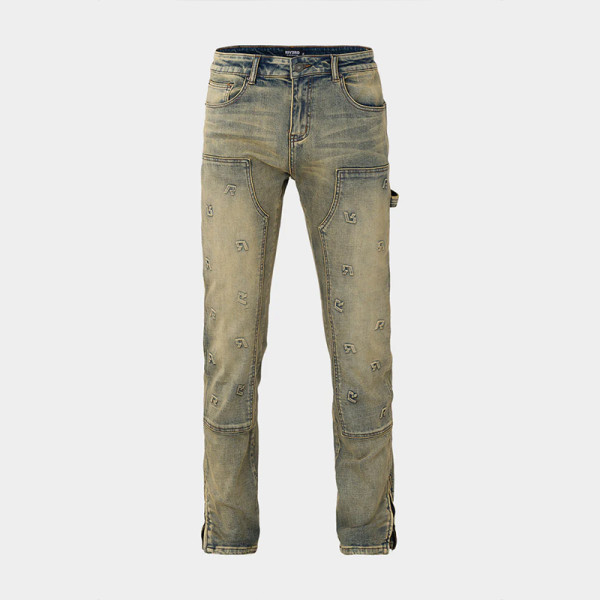
Distressed retro wash jeans with oversized patchwork and all-over embroidered symbols—designed for bold streetwear collections.
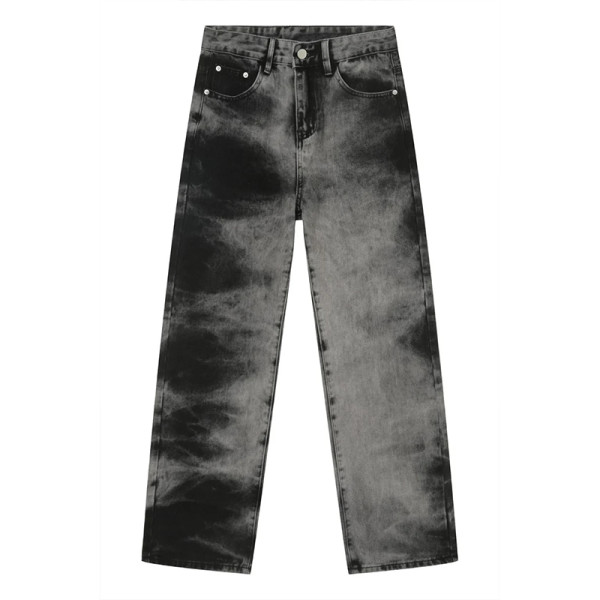
Custom straight-leg denim in black-grey gradient wash, tailored for curated designer boutiques.
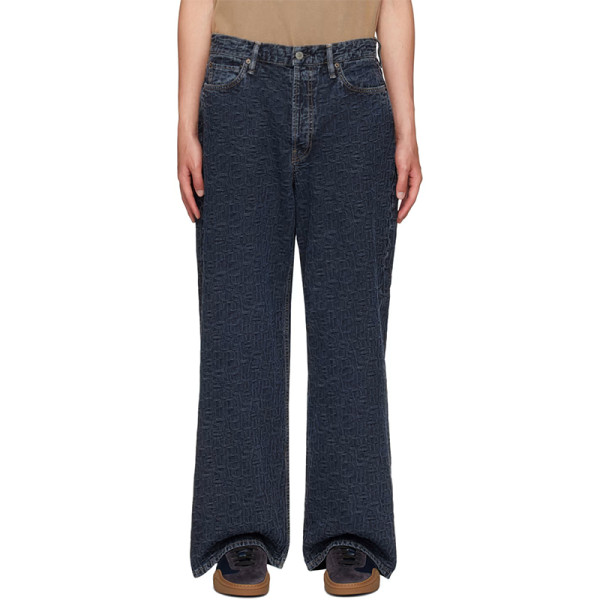
Classic denim meets embossed detailing—street-ready wide-leg jeans with a textural twist.
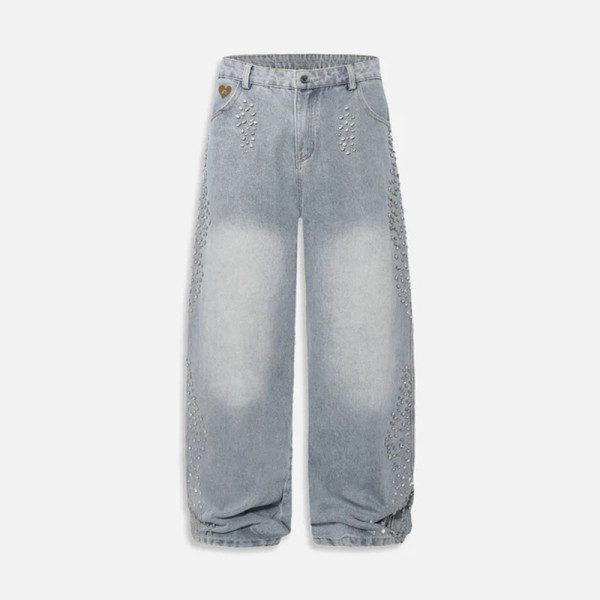
Feminine yet edgy—baggy jeans with scattered rhinestones, heart detail, and gathered cuffs.