why did you wear jeans
- Share
- Issue Time
- Sep 21,2026
Summary
Every stitch tells a story of durability and style. Learn how we translate denim's iconic past into authentic, high-quality jeans for your collection.
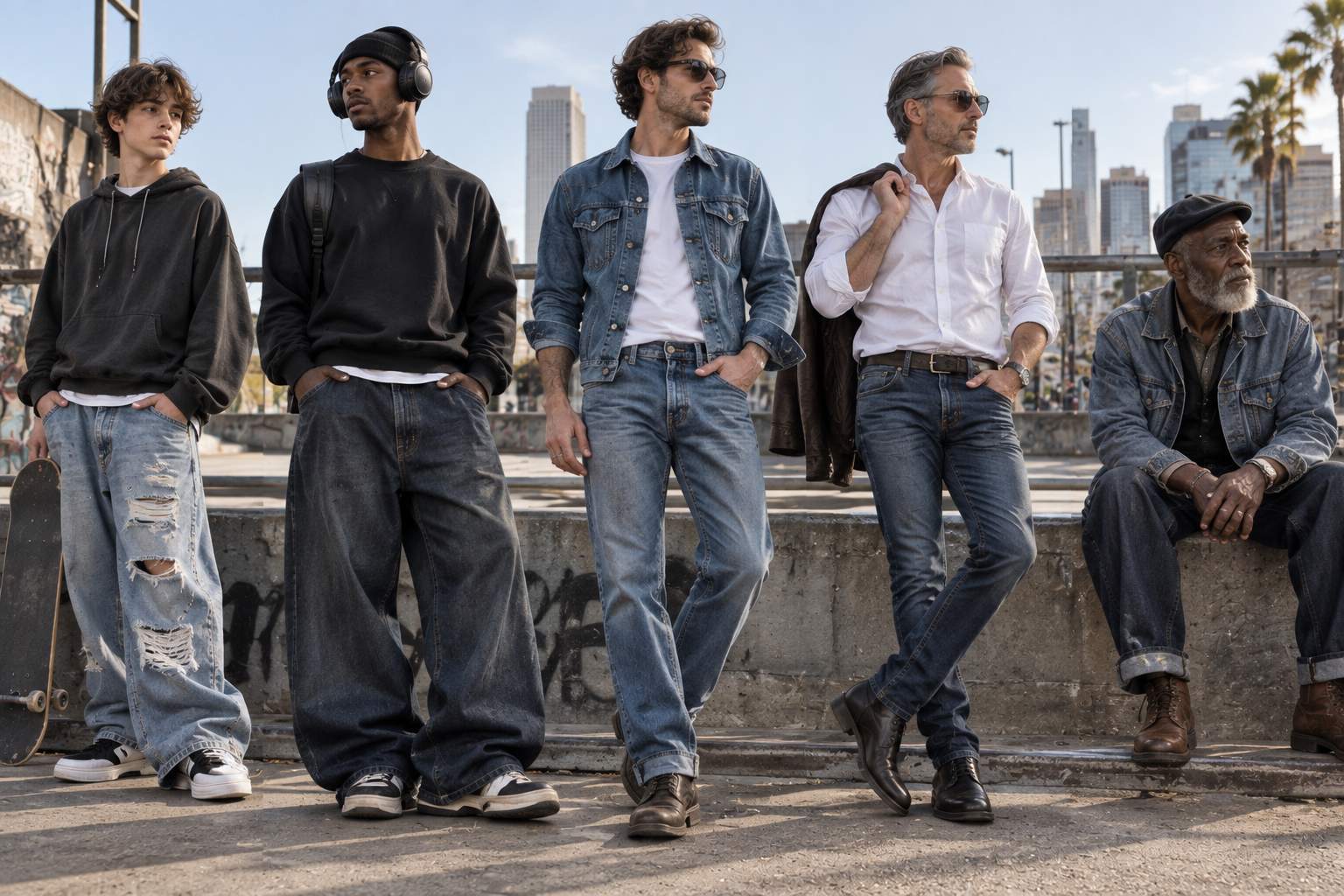
Jeans are one of the rare clothing products that can mean completely different things to different people. To one customer, they are simply durable pants for everyday wear. To another, they are a streetwear statement, a vintage obsession, a symbol of American culture, or the one item that works with almost everything in the closet. That versatility explains why denim has survived more than 150 years of fashion change while constantly reinventing its fit, wash, color, and cultural meaning.
People wear jeans because they combine durability, comfort, versatility, cultural meaning, and personal style. Jeans began as reinforced workwear but evolved into everyday clothing, youth fashion, streetwear, premium denim, and designer fashion. Today, customers can choose straight, baggy, skinny, selvedge, plus-size, or stretch jeans depending on lifestyle, body shape, fashion preference, and the image they want to express.
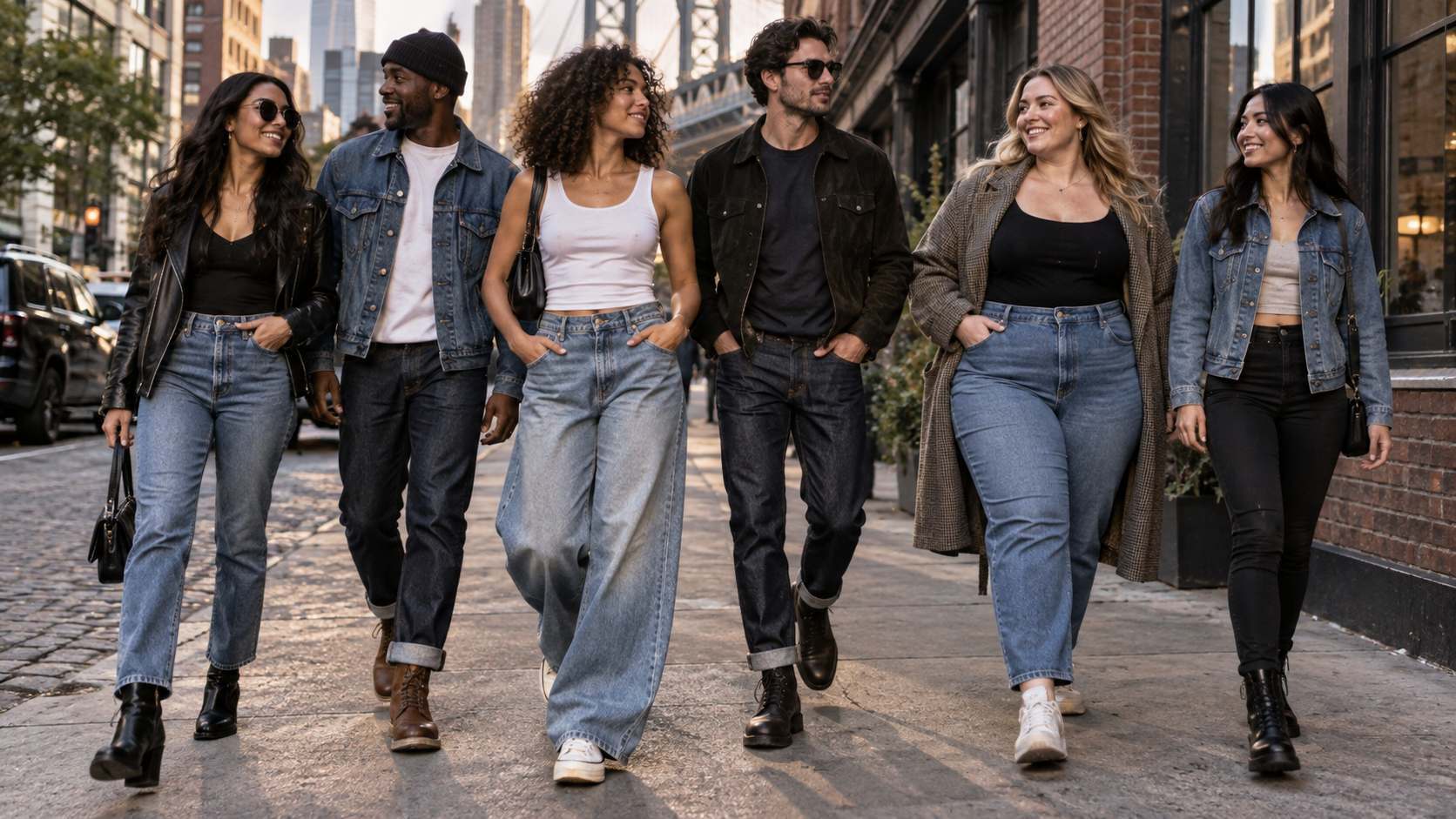
The interesting question, then, is not simply “Why do people wear jeans?” It is how one workwear garment became something a miner, a Hollywood actor, a Gen Z streetwear buyer, a designer, and an office worker could all wear for completely different reasons.
Why Did People Start Wearing Jeans in the First Place?
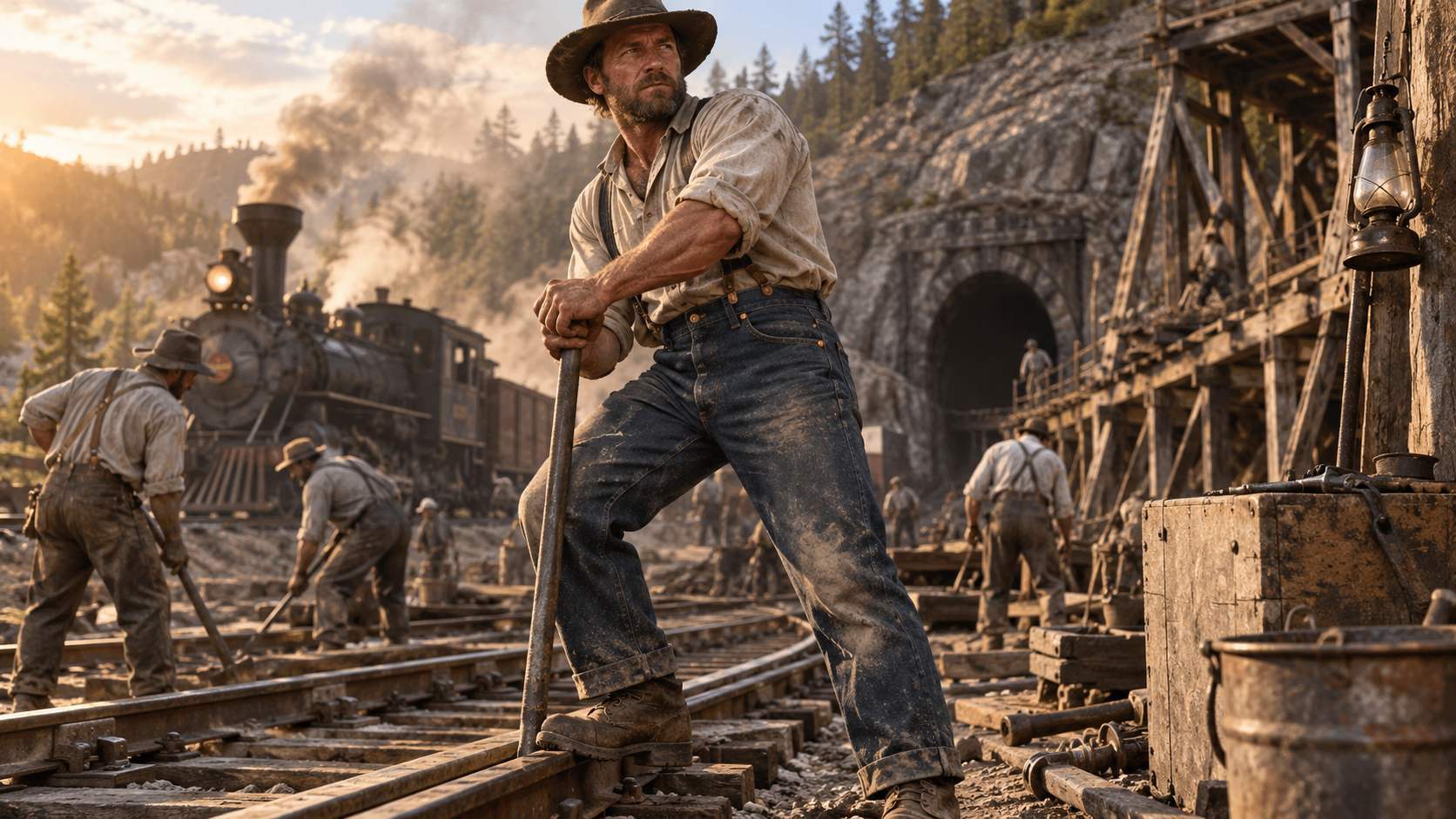
People originally wore jeans because they needed durable work clothing. Riveted denim pants reinforced stress points around pockets and seams, making them suitable for demanding physical work. Over time, jeans moved beyond workwear through western culture, movies, music, youth rebellion, and everyday fashion, turning a functional garment into a globally recognized style.
Dive Deeper
The earliest success of modern blue jeans was not based on fashion. It was based on a problem: work trousers could tear at points of strain. Jacob Davis developed a method of reinforcing these areas with metal rivets, and together with Levi Strauss secured the 1873 patent that is widely associated with the birth of modern blue jeans.
That functional beginning still influences denim today. Rivets, strong seams, heavy twill, reinforced pockets, and structured waistbands are not random design decorations. They come from a garment category originally expected to survive physical labor.
But durability alone does not explain why jeans became global. During the twentieth century, denim moved into American popular culture. HISTORY describes jeans as moving from working-class garments toward broader everyday acceptance, with Hollywood helping transform them from practical clothing into aspirational fashion. Cowboys, movie stars, musicians, students, and youth subcultures gave jeans meanings that had little to do with mining or manual labor.
This is an important lesson for modern denim brands. Customers rarely buy only fabric and thread. They buy a story attached to the product. Raw selvedge jeans may communicate heritage and craftsmanship. Baggy jeans may communicate streetwear and freedom. Washed black jeans may feel more modern and minimal. Stacked jeans can speak directly to trend-driven streetwear customers.
For DiZNEW’s customers—designers, boutique owners, online brands, and influencer-led stores—the opportunity is to take the historical strength of denim and reinterpret it for a specific audience. A brand does not need to copy vintage workwear. It needs to understand why denim has remained meaningful: it solves functional needs while also carrying identity.
Why Should You Wear Jeans Today?
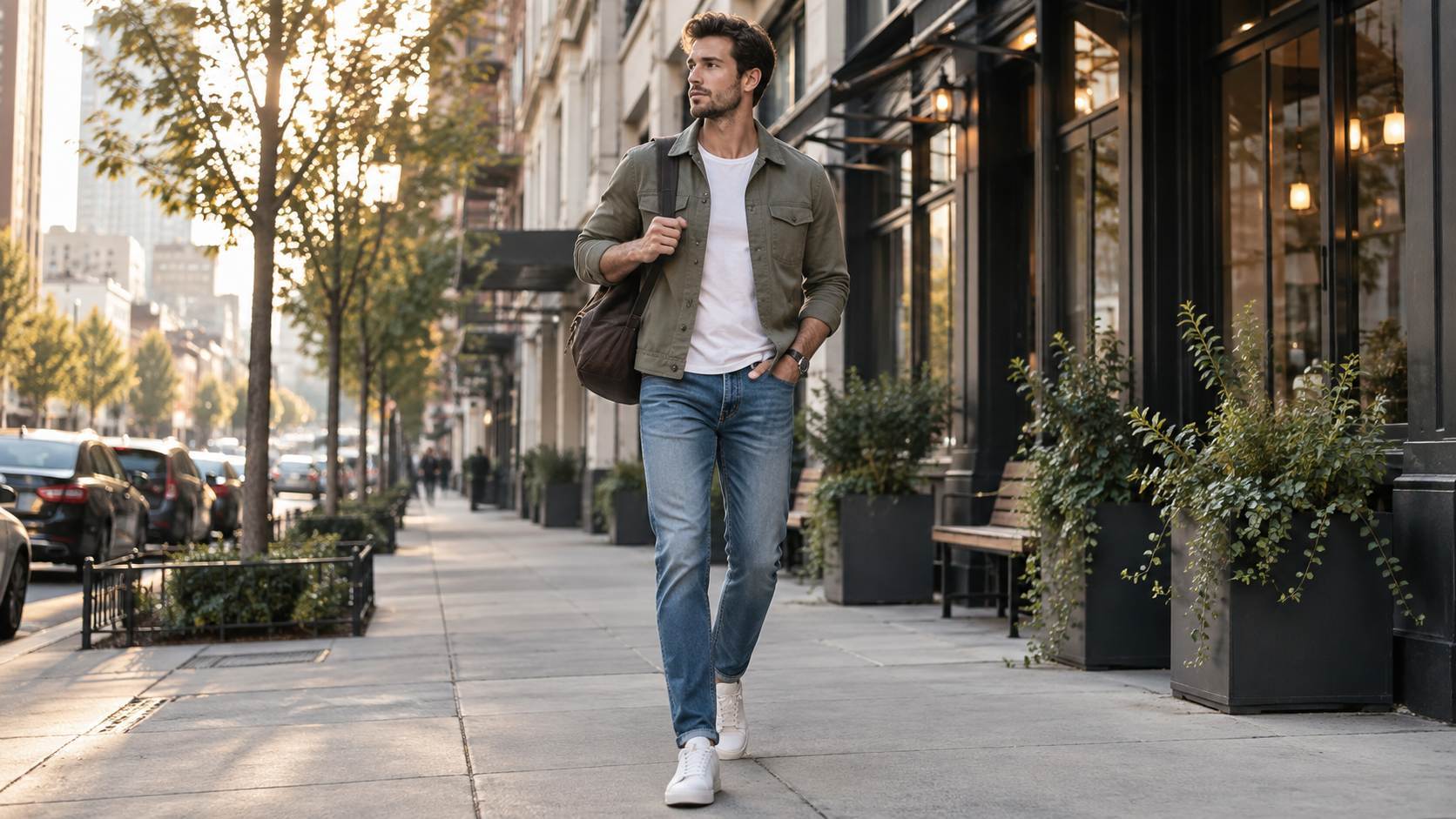
You should wear jeans because they offer a rare balance of durability, styling flexibility, comfort, and long-term usefulness. One well-designed pair can work with T-shirts, hoodies, shirts, jackets, sneakers, boots, or even smart-casual pieces. The right fabric, rise, fit, and wash can make jeans suitable for daily wear across many seasons and lifestyles.
Dive Deeper
The most practical reason to wear jeans today is that they solve many wardrobe problems at once. Sweatpants may feel softer, dress trousers may look more formal, and technical pants may perform better for specific activities, but jeans sit comfortably between categories. They can look casual without looking unfinished and structured without feeling overly formal.
Comfort depends heavily on the way the jean is engineered. Rigid 100% cotton denim gives a strong, authentic feel and can mold to the wearer over time. Stretch denim gives easier movement and is useful for skinny, plus-size, and comfort-driven fits. Baggy jeans create physical freedom through extra room rather than elastane. Lightweight denim works better in warm weather, while heavier denim provides more structure.
Jeans are also easy to style because denim blue often behaves like a casual neutral. Medium-wash blue works with white, black, beige, grey, green, red, and many other colors. Dark indigo can move into smarter outfits. Black denim works well for minimal or night-time styling. Grey denim fits contemporary streetwear.
This versatility helps explain why customers often own several pairs rather than one. They are not necessarily buying the same product repeatedly. They are buying different functions: straight jeans for everyday wear, black jeans for cleaner styling, baggy jeans for relaxed outfits, selvedge jeans for premium denim interest, or plus-size jeans designed around specific fit needs.
For brands, this means a successful denim collection should not be built only around what looks exciting in a campaign. It should answer real questions: Where will the customer wear this? What tops and shoes will it work with? Will the waistband remain comfortable? Does the fabric fit the silhouette? Will the customer want to wear it twice a week?
The strongest jeans become wardrobe habits, not one-time fashion experiments.
Why Do Americans Wear Jeans So Much?
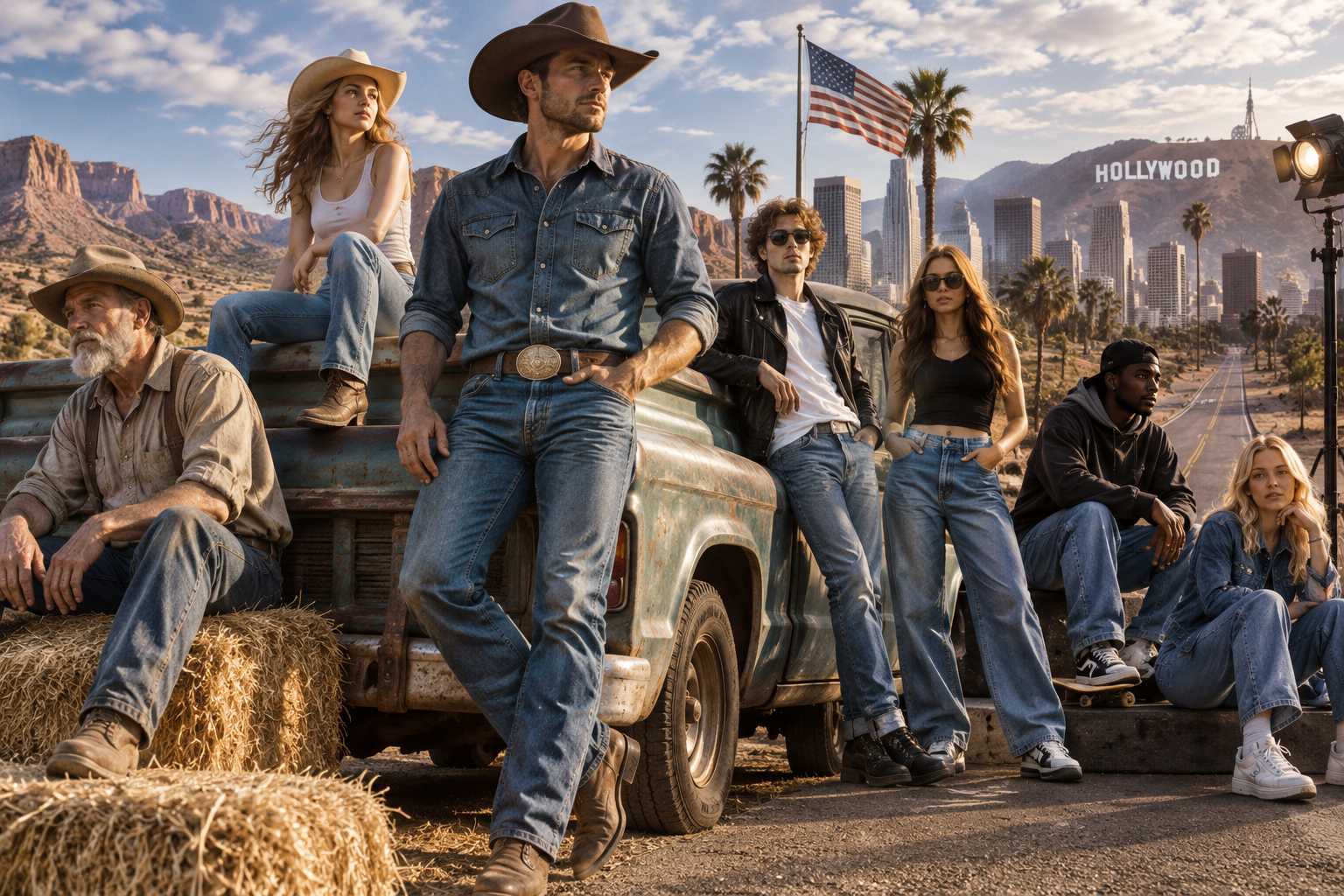
Americans wear jeans so much because denim became deeply connected to U.S. workwear, western imagery, Hollywood, youth culture, and casual dressing. Although denim’s textile history has European roots, the modern riveted blue jean was developed in the American West and later became one of the most recognizable symbols of American casual clothing.
Dive Deeper
Jeans fit naturally into American clothing culture because American style has historically placed strong value on practicality and informality. A pair of jeans can be worn while working, driving, traveling, shopping, going to school, attending a casual office, or meeting friends. Few garments move between that many settings so easily.
There is also a powerful cultural story. The modern riveted blue jean emerged in the American West, and later western movies spread cowboy imagery far beyond the people who actually worked in ranching. Hollywood then helped jeans become symbols of independence, toughness, youth, and rebellion. By the time denim reached rock music, counterculture, hip-hop, streetwear, and designer fashion, jeans had already accumulated generations of cultural meaning.
HISTORY calls denim jeans a quintessentially American garment while also noting that the textile story behind denim reaches back to Europe. That distinction matters: denim fabric history is international, but the modern cultural identity of blue jeans was strongly shaped by the United States.
American casual culture also helped denim travel globally. Movies, music, celebrities, fashion brands, and later social media made American-style jeans visible almost everywhere. Yet today, jeans are no longer simply “American clothing.” Japanese selvedge culture, European designer denim, Korean streetwear, and global boutique brands have all created their own interpretations.
For a modern denim company, that means American heritage can be useful—but it should not be the only story. A U.S. streetwear customer may want oversized baggy denim with heavy washing. A premium customer may care more about selvedge, fabric weight, and construction. A boutique owner may need clean straight jeans that can sell to a wider audience.
DiZNEW’s role as a manufacturer is therefore not to force one definition of denim. It is to help brands convert their own customer identity into fabric, fit, wash, hardware, and construction.
Why Do Different Generations Wear Different Types of Jeans?
Different generations prefer different jeans because fashion is partly a reaction to what came before. Millennials experienced years of skinny-jean dominance, while many Gen Z shoppers embraced baggy, wide, relaxed, and low-rise silhouettes influenced by comfort, streetwear, vintage fashion, and Y2K references. In 2026, however, denim is becoming more diverse again, with skinny, straight, baggy, and wide-leg fits all active in fashion.
Why Does Gen Z Hate Skinny Jeans?
The phrase “Gen Z hates skinny jeans” is an exaggeration. The bigger change is that younger consumers helped move fashion away from the idea that skinny jeans should be the default. Baggy jeans offered more room, different proportions, and a visual connection to streetwear and 1990s/2000s styling.
British Vogue reported in July 2026 that roomy denim remains important, but newer baggy silhouettes are moving somewhat closer to straight cuts than the most exaggerated versions popular in 2024 and 2025. That is a useful example of how trends evolve rather than simply disappear.
At the same time, skinny jeans are returning. Vogue reported in September 2026 that the comeback is not simply a return to ultra-stretch “jeggings”; current versions include true skinny, cigarette, and slim-straight silhouettes.
Dive Deeper
The real lesson is that brands should stop asking, “Which jean is fashionable?” and start asking, “Which customer are we designing for?”
A 20-year-old streetwear customer and a 40-year-old premium denim enthusiast may both buy jeans, but their definitions of a great product can be completely different. One may care about oversized silhouette, puddled hems, distressing, and custom embroidery. The other may care about fabric origin, selvedge construction, subtle fading, and clean stitching.
Even within Gen Z, there is no single preference. Some customers love extreme baggy jeans. Others choose straight or low-rise slim fits. Fashion cycles are becoming fragmented because social media supports many micro-aesthetics simultaneously.
Current 2026 runway and editorial coverage reflects that variety. Vogue’s denim trend guide spans skin-tight skinny jeans, straight-leg jeans, and very wide silhouettes rather than declaring one universal winner. British Vogue similarly highlights straight and high-waisted shapes alongside wide-leg and baggier options.
For denim brands, portfolio design matters more than trend chasing. A strong collection can have an evergreen straight jean, a trend-driven baggy jean, a premium selvedge style, and a fit solution for plus-size customers. Each product should have a clear reason to exist.
That also means different fits need different pattern engineering. Baggy jeans cannot simply be a straight pattern made wider. Skinny jeans require careful stretch recovery. Plus-size jeans require professional grading around waist, hip, thigh, seat, and rise. Stacked jeans need deliberate inseam and leg-opening proportions.
The trend may attract the customer, but fit determines whether they come back.
Why Can Jeans Mean Different Things in Different Countries and Cultures?
Jeans can carry cultural meanings far beyond clothing. In most countries, denim is ordinary fashion, but it has also symbolized youth culture, western influence, rebellion, and personal freedom. North Korea has been reported to restrict certain Western-style jeans and clothing; in 2024, state television even blurred a British presenter’s blue jeans during a gardening program.
Which Country Does Not Allow Blue Jeans?
North Korea is the country most commonly associated with restrictions on blue jeans. It is more accurate, however, to describe this as reported state restriction of certain Western-style denim and fashion rather than claim that every pair of jeans is absolutely prohibited in every context.
NK News reported in March 2024 that Korean Central Television blurred the blue jeans worn by British gardening presenter Alan Titchmarsh, linking the censorship to longstanding efforts to restrict Western fashion and culture. Earlier reporting also described North Korean restrictions on skinny jeans and other styles regarded by authorities as symbols of “capitalistic” or foreign influence.
Dive Deeper
This example shows something important about denim: clothes can carry meaning that goes far beyond their material function.
In the United States, jeans can feel ordinary—almost invisible because they are so common. In another cultural context, the same garment can represent American influence, western media, youth rebellion, or changing social values. That is one reason jeans have played such a powerful role in fashion history. They are simple pants, but society keeps attaching new meanings to them.
For brands, cultural storytelling can create powerful positioning, but it should be used carefully. Heritage denim might reference workwear craftsmanship. Streetwear denim might focus on music and urban culture. Vintage jeans can reference specific decades. Selvedge products can highlight traditional construction and fabric development.
The product still needs to support the story. Saying a jean is “heritage” means little if the fabric, stitching, hardware, and fit look generic. Calling something premium requires premium construction. Positioning a product as streetwear requires the right silhouette, wash, graphic treatment, and styling.
This is where DiZNEW can help translate an idea into a physical product. Brands can provide a sketch, tech pack, reference image, AI concept, or physical sample. DiZNEW can then develop fabric, wash, rise, thigh room, inseam, leg opening, buttons, rivets, labels, embroidery, leather patches, and packaging around that concept.
With more than 20 years of denim manufacturing experience, MOQ starting from 30 pieces per design, and capacity for larger orders up to 10,000 pieces, DiZNEW supports designers, boutique owners, online brands, influencer-led stores, and established labels with OEM/ODM denim production.
Whether your customer wants baggy jeans, stacked jeans, straight jeans, selvedge jeans, skinny jeans, plus-size jeans, jogger jeans, denim jackets, shorts, or shirts, the goal is the same: create denim people have a real reason to wear.
Ready to turn your denim idea into a real product? Contact DiZNEW to request a custom quote, develop your first sample, and build jeans around your customer’s fit, style, and brand identity.