why button fly jeans look better
- Share
- Issue Time
- Sep 9,2026
Summary
Buttons are a key branding detail. We offer end-to-end customization, from branded hardware to precise stitching, to create your unique button fly jeans.
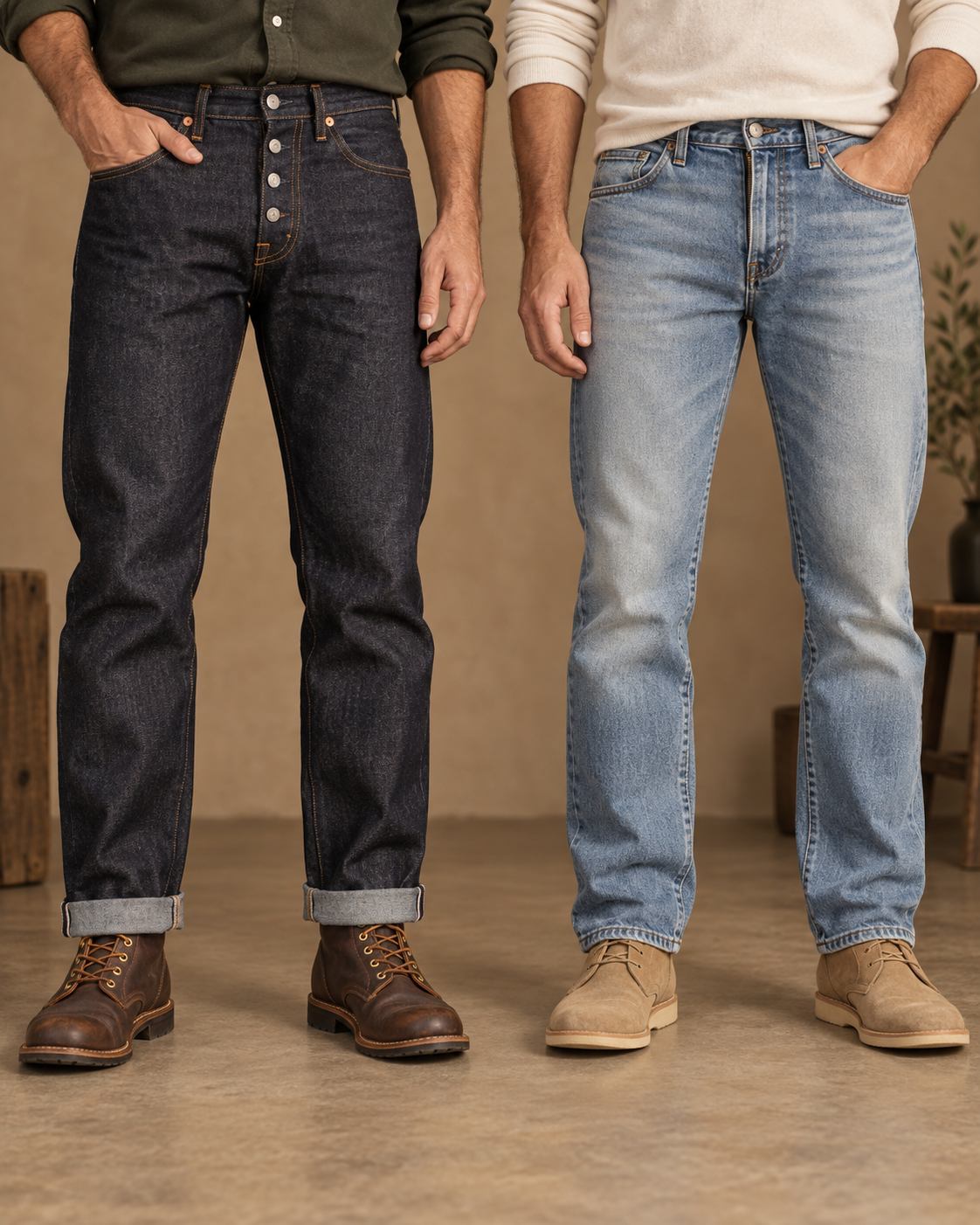
Button fly jeans look better to many denim lovers for one simple reason: they feel intentional. A zipper is practical, fast, and familiar, but it often disappears into the garment. A button fly, on the other hand, becomes part of the jean’s personality. It adds structure to the front rise, gives the waistband a more heritage look, and creates a small but powerful detail that makes jeans feel less generic. That is why button fly jeans are often seen on straight jeans, selvedge jeans, raw denim, vintage-inspired jeans, and premium denim collections.
Button fly jeans often look better because they add visible construction, vintage character, and a more structured front rise. They can be flattering when the waistband, rise, button spacing, and placket are well designed. Button fly is not automatically better than zipper fly, but it works especially well for heritage denim, selvedge jeans, raw denim, high-rise jeans, and premium straight-leg styles.
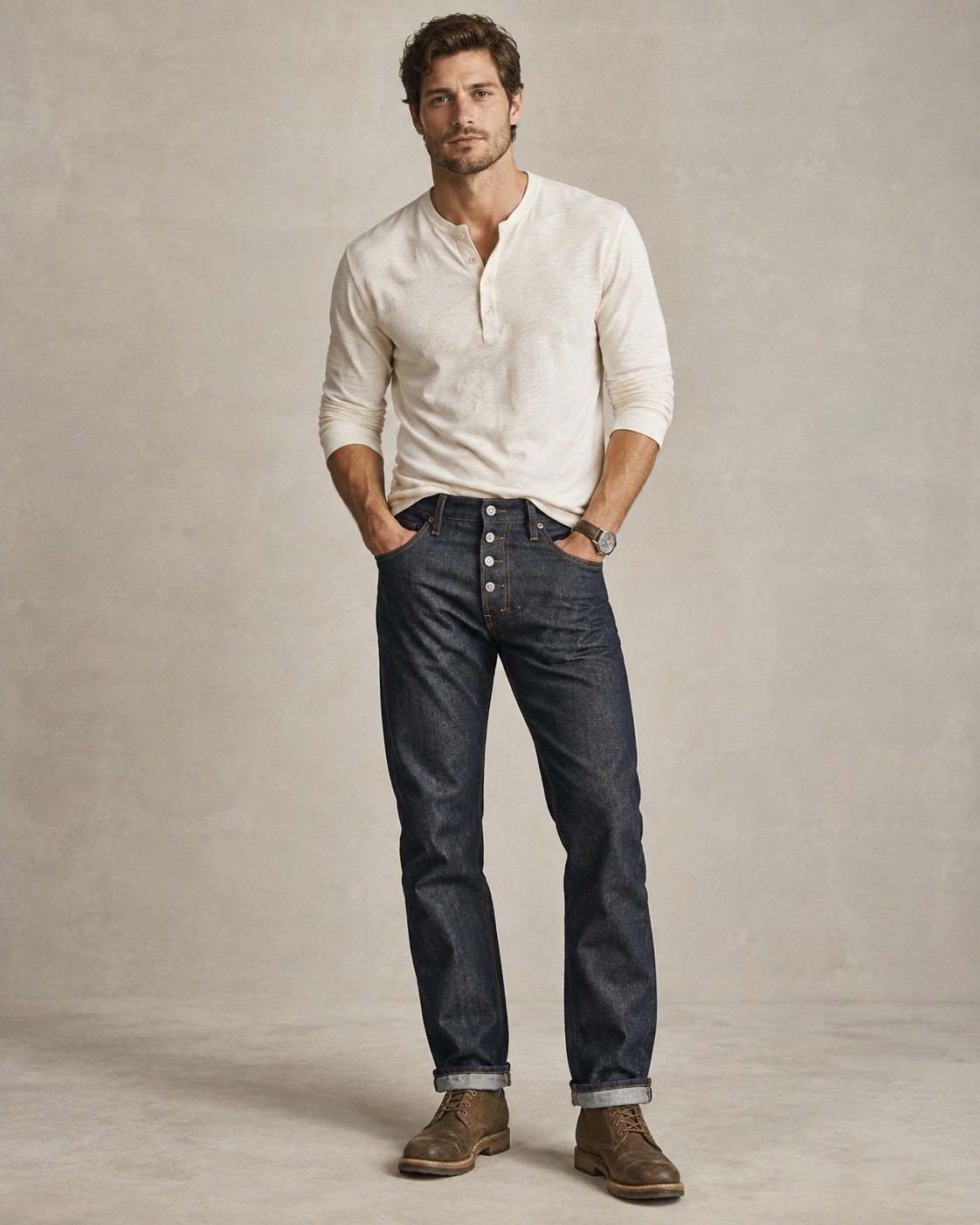
The real magic is not only the buttons. It is what the buttons signal: better detail, better construction, and a stronger denim story. For brands, button fly jeans can turn a basic pair of jeans into something more memorable—if the fit and workmanship are done correctly.
Why Do Button Fly Jeans Look Better Than Zipper Fly Jeans?
Button fly jeans look better than zipper fly jeans when they create a cleaner, more structured, and more intentional front. The buttons add vertical detail, vintage character, and visual depth. They can also make jeans feel more premium, especially when paired with quality denim, strong stitching, custom hardware, and a well-balanced rise.
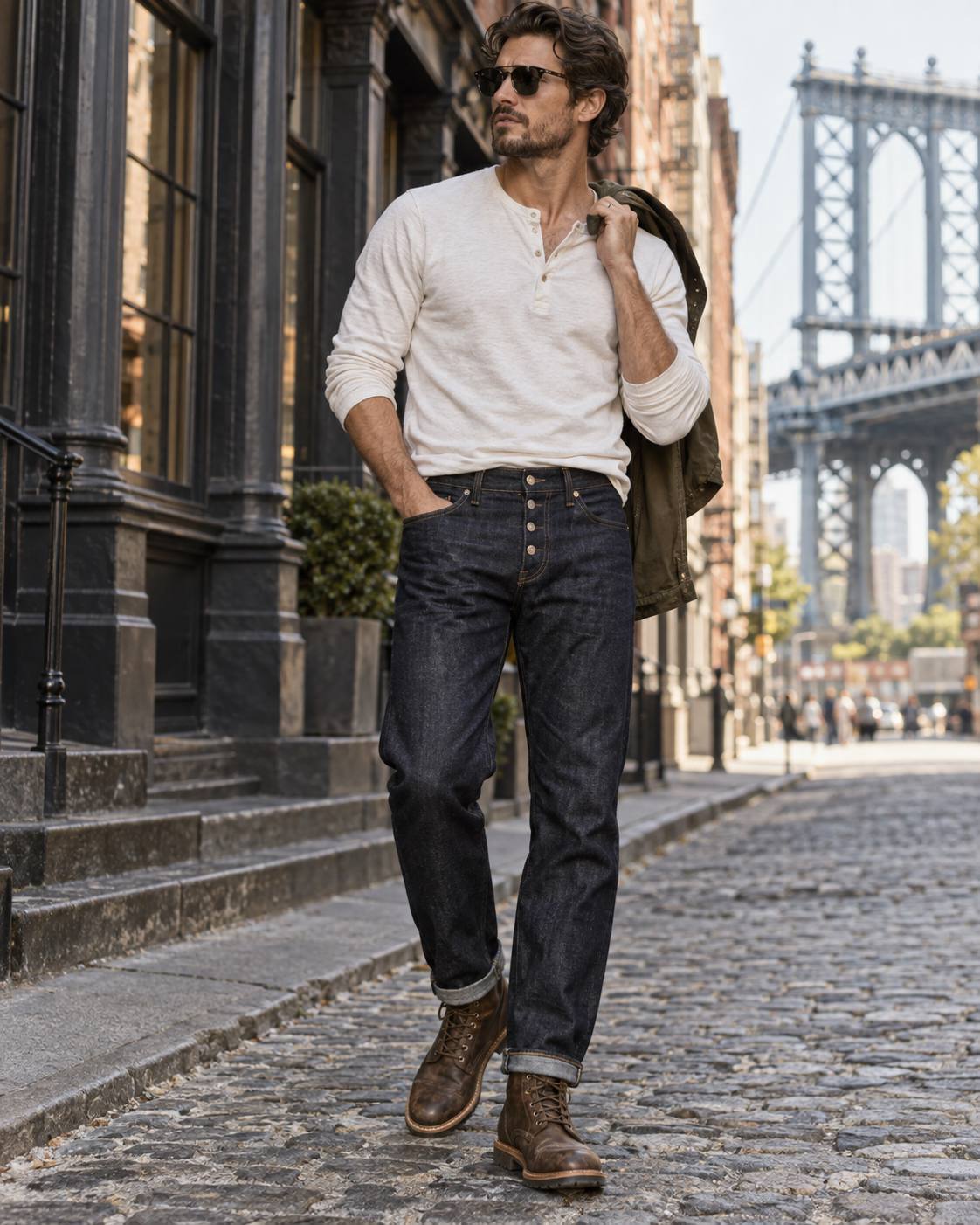
Button Fly Visual Impact
| Detail | Why It Looks Better |
| Adds construction detail and heritage style | |
| Reinforced placket | Creates a stronger front structure |
| High-rise placement | Highlights the waist and front rise |
Custom hardware | Makes the jean feel more premium |
Adds denim character over time | |
Straight or selvedge fit | Matches classic denim aesthetics |
Levi Strauss & Co. notes that the zipper fly was added to Levi’s jeans in 1947, partly to appeal to female customers, which shows how the button-versus-zipper debate has long been part of denim history.
Dive Deeper
Button fly jeans are often more visually interesting because they make the front of the jean look designed rather than purely functional. On high-rise jeans, straight-leg jeans, and vintage-inspired jeans, the button fly can draw the eye upward and make the waist area feel more structured. This is why many people ask, “Are button fly jeans more flattering?” The answer is yes, they can be—but only when the pattern is right.
A button fly is not magic. If the rise is too short, the buttons are badly spaced, or the fly placket is too thick, the front can gap, pull, or feel bulky. A poorly made button fly can look worse than a clean zipper fly. But when the waistband, front rise, button spacing, and fabric weight are balanced, button fly jeans can create a flattering vertical line and a stronger front shape.
Button fly also feels more stylish because it carries denim history. It reminds customers of classic jeans, raw denim, workwear, and old-school American style. That is why denim lovers often associate button fly with authenticity. Denimhunters notes that denimheads often prefer button fly because of its place in denim history and the fly fades it creates over time.
For denim brands, this visual value matters. If a customer is choosing between two similar straight jeans, a well-made button fly with custom logo buttons can make one pair feel more premium, more collectible, and more brand-specific. The button fly becomes a detail customers can see, touch, photograph, and remember.
What Is the Point of Button Fly Jeans?
The point of button fly jeans is not only to close the front of the garment. Button fly adds heritage style, visible construction, repair-friendly hardware, denim character, and premium product storytelling. It is especially valuable for raw denim, selvedge jeans, vintage jeans, straight-leg jeans, and brands that want a stronger denim identity.
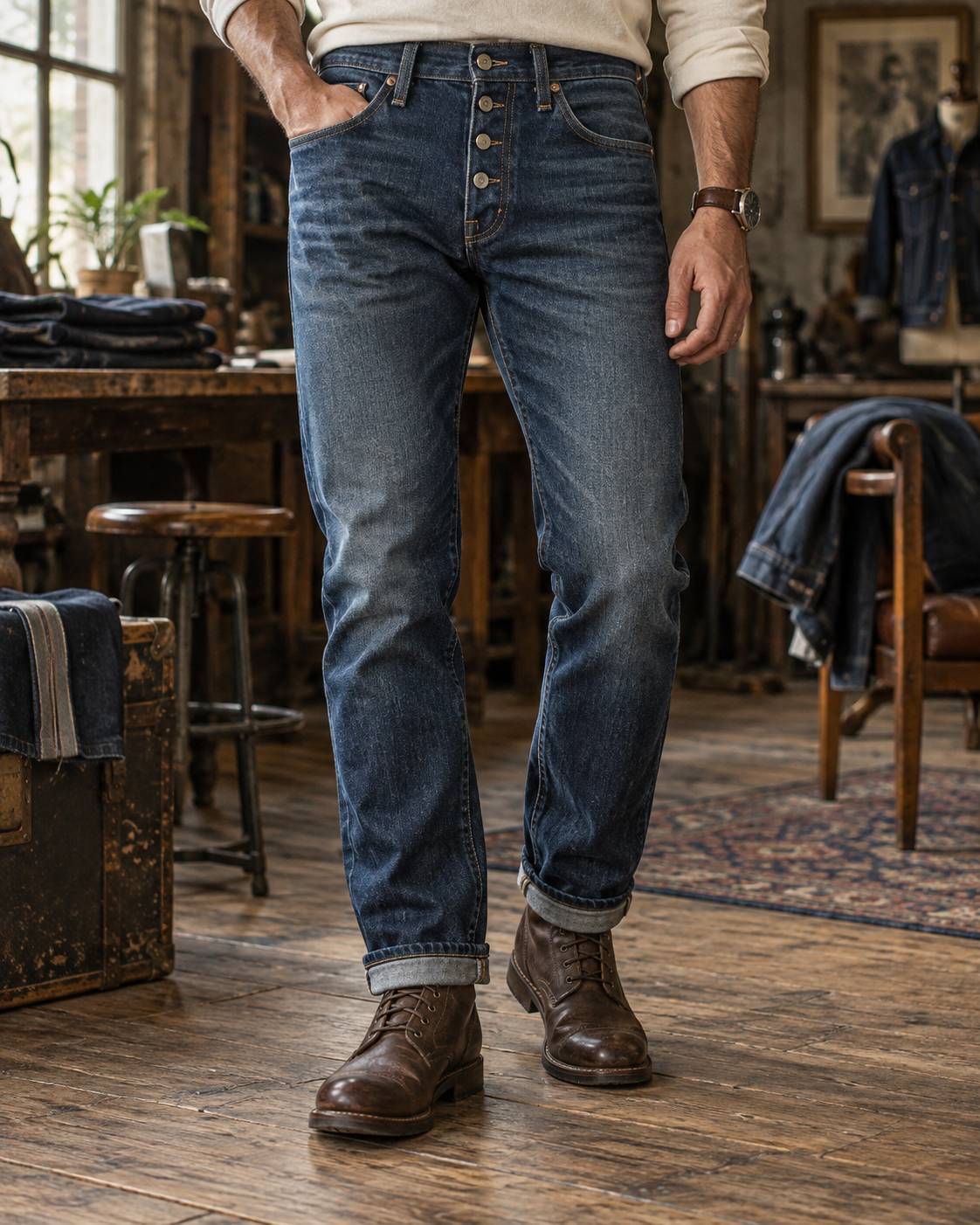
What Button Fly Adds to Jeans
| Function | Customer Value |
| Closure | Keeps the front secure |
| Style detail | Makes jeans look less basic |
| Heritage appeal | Connects to classic denim history |
Repairability | Buttons can often be replaced individually |
Aging character | Fly area can develop unique fades |
Brand identity | Custom buttons create premium recognition |
Dive Deeper
The button fly exists at the intersection of function and emotion. Functionally, it closes the jean. Emotionally, it tells the customer, “This is not just another mass-market pair.” That is the point of button fly jeans: they give the garment a stronger denim identity.
This is especially important in raw denim and selvedge denim culture. Denim fans often care about the small details: chain stitching, rivets, leather patches, selvedge ID, pocket bags, button quality, and fly construction. These details may seem small to a casual buyer, but they are exactly what make premium denim feel premium.
Button fly jeans can also age in a special way. Over time, the buttons and placket create pressure points that may form unique fade patterns. This is part of why button fly feels more alive than a basic zipper. It changes with the wearer.
Comfort, however, depends on construction. Some customers think button fly jeans are uncomfortable because they are harder to fasten, slower to open, or stiff at first. Those complaints are valid when the design is poor. Button spacing must be practical. Buttonholes must be strong but not impossible to use. The placket must be reinforced without becoming bulky. The front rise must allow sitting and bending.
This is why button fly jeans require professional sample fitting. The closure cannot be treated as a decoration added at the end. It affects the front shape, comfort, waistband tension, and customer experience. For custom denim brands, button fly should be planned from the pattern stage, not added casually during production.
Which Is Better for Jeans, Button Fly or Zipper?
Neither button fly nor zipper fly is always better. Button fly is better for heritage style, raw denim, selvedge jeans, premium straight jeans, visible construction, and repair-friendly design. Zipper fly is better for speed, convenience, lightweight fashion denim, and customers who want easy everyday wear. The better choice depends on the product and target customer.
Dive Deeper
The button fly versus zipper question is really a positioning question. If a brand is making premium straight jeans, selvedge jeans, raw denim, or vintage-inspired denim, button fly often makes more sense. It supports the story. It makes the jean feel more authentic. It gives the front rise more character.
If a brand is making lightweight stretch jeans, basic skinny jeans, jogger-style jeans, or easy everyday fashion denim, zipper fly may be the better choice. Many customers simply prefer the convenience. They want to get dressed quickly and do not care about fly fades or heritage construction.
Durability is also more complex than people think. Button fly jeans can last well because a loose or missing button can often be replaced individually. But the buttonholes, thread, placket, and fabric still need to be strong. A cheap button fly with weak buttonholes is not durable. A quality zipper can also last well when properly installed. The “better” choice depends on total construction quality.
Button fly may also reduce some zipper-related front stiffness or bulging, but it does not automatically solve front fit. Bulging depends on body shape, rise, fabric weight, placket thickness, waistband balance, and pattern. A badly designed button fly can still create bulk.
For brands, the smartest choice is not based on personal taste. It is based on customer need. Denimheads may love button fly. Mainstream buyers may prefer zipper fly. Boutique shoppers may appreciate button fly if it looks premium and feels comfortable. The factory’s job is to help the brand choose the closure that matches the product, price point, and buyer expectation.
Are Button Fly Jeans Still in Style?
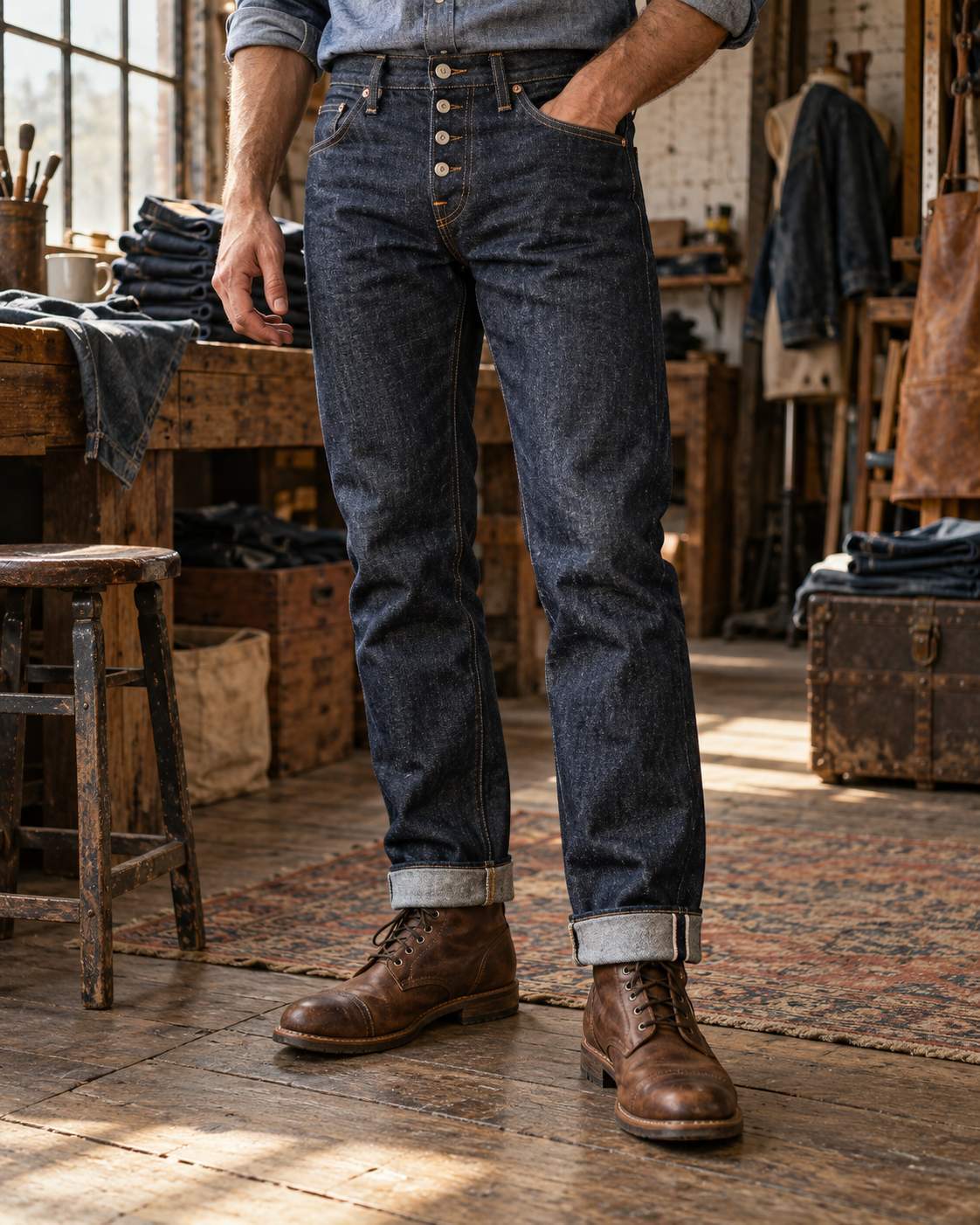
Button fly jeans are still in style, especially in classic straight jeans, high-rise jeans, raw denim, selvedge jeans, vintage-inspired jeans, and premium denim collections. They may not be the most convenient closure, but they remain relevant because modern denim trends continue to value heritage details, visible construction, and timeless silhouettes.
Dive Deeper
Button fly jeans are not “outdated.” They are specific. They do not belong on every jean, but when used correctly, they can make the jean look more current because fashion keeps returning to authenticity, craftsmanship, and vintage references.
The strongest button fly styles are usually jeans where the front rise matters visually: high-rise jeans, straight jeans, slim-straight jeans, selvedge jeans, and vintage-inspired fits. These are often styled with tucked T-shirts, cropped jackets, workwear shirts, belts, boots, loafers, or simple tanks. In those outfits, the waistband and fly become part of the look.
Button fly can also work for both men’s and women’s denim. In men’s denim, it often supports rugged, heritage, straight, selvedge, workwear, or baggy styles. In women’s denim, it can support high-rise vintage jeans, slim-straight jeans, wide-leg jeans, or structured fashion denim. The key is proportion. The button fly should enhance the silhouette, not interrupt it.
There are still mistakes brands should avoid. Bad button spacing makes the front look awkward. Cheap buttons make the jean look low value. Too much placket bulk can make the stomach area look uncomfortable. Thin fabric with heavy buttons can distort. Poor fly alignment after washing can make the product look defective.
Button fly is stylish when it feels intentional. It should match the fabric, wash, fit, target customer, and brand story. A raw selvedge jean with antique buttons feels natural. A thin stretch fashion jean with a bulky button fly may feel forced. The closure should support the design direction, not fight it.
How Can DiZNEW Help Brands Create Better Button Fly Jeans?
DiZNEW helps brands create better button fly jeans by developing the right fabric, rise, fit block, button spacing, placket structure, buttonhole strength, wash control, custom hardware, labels, and packaging. Button fly construction looks simple, but it requires accurate pattern work, strong sewing, post-wash testing, and professional denim experience.
What Brands Should Test Before Bulk Production
| Test Area | Why It Matters |
| Front rise comfort | Prevents pressure when sitting |
| Button spacing | Controls gaping, pulling, and usability |
Buttonhole strength | Prevents tearing and loose closure |
Placket thickness | Reduces front bulk |
Wash shrinkage | Keeps fly aligned after washing |
Hardware durability | Protects long-term wear |
Fit movement | Tests sitting, bending, walking |
| Front appearance | Ensures the jean looks flattering |
Dive Deeper
For custom denim brands, button fly can become a powerful selling point. It can be marketed as vintage-inspired, premium-looking, durable, repair-friendly, denimhead-approved, raw-denim-friendly, and more intentional than a basic zipper. But to make that message believable, the product must support it.
The first step is choosing the right jean style. Button fly works especially well on straight jeans, selvedge jeans, raw denim, high-rise jeans, vintage jeans, baggy jeans, and workwear-inspired jeans. The second step is choosing the right hardware. Custom logo buttons, antique brass buttons, matte black buttons, branded rivets, leather patches, chain stitching, woven labels, hang tags, and private label packaging can make the jean feel more complete.
The third step is technical testing. Button spacing must be comfortable. Buttonholes must survive repeated use. The placket must stay aligned after washing. The front rise must allow sitting and bending. The fabric must support the hardware. These are small details, but they decide whether the jean feels premium or annoying.
DiZNEW is a China-based denim R&D, manufacturing, and sales factory with more than 20 years of experience. We help U.S. small and medium buyers, high-end brand clients, denim designers, online boutique owners, and influencer-led shops create custom or OEM/ODM denim under their own logo.
DiZNEW can develop button fly jeans from sketches, reference photos, AI images, physical samples, or tech packs. Custom options include fabric weight, rigid or stretch denim, rise, fit block, button type, button spacing, placket structure, wash effect, labels, rivets, leather patches, hang tags, and packaging.
Our product range includes plus size jeans, baggy jeans, stacked jeans, straight jeans, selvedge jeans, skinny jeans, jogger jeans, denim jackets, denim shorts, denim shirts, and more. With MOQ starting from 30 pieces per design and capacity for larger orders up to 10,000 pieces, DiZNEW helps brands test small, improve details, and scale successful denim products.
To create button fly jeans that look better, fit better, and feel more premium, contact DiZNEW today to request a quote and start developing your custom denim project.
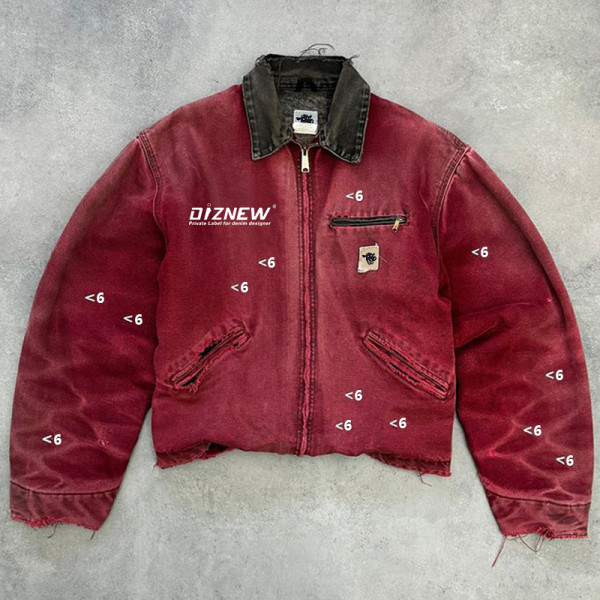
Discover this unique washed red canvas jacket featuring distressed details and vintage workwear aesthetics, perfect for bold fashion statements.
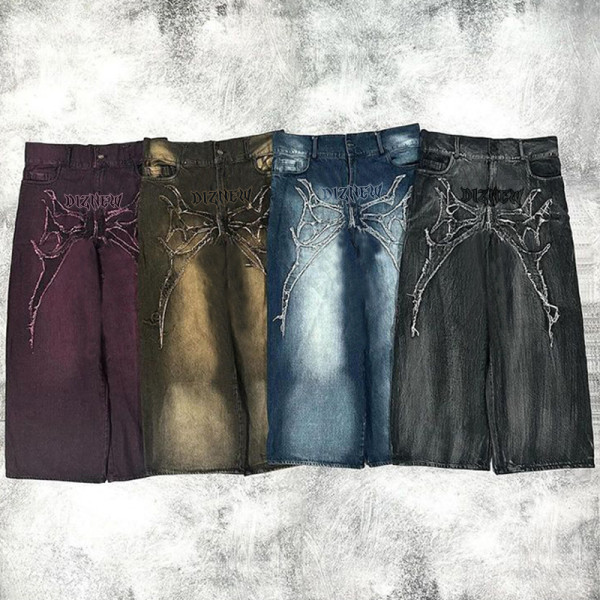
Custom men's gothic embroidered baggy denim jeans with spider web design. Bold streetwear for standout, stylish looks.
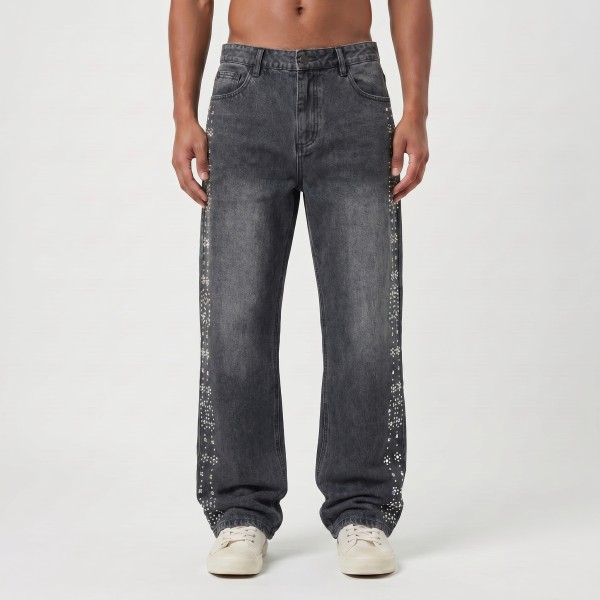
Discover premium DiZNEW denim jeans with decorative studs for a sparkling, stylish look. Order today!
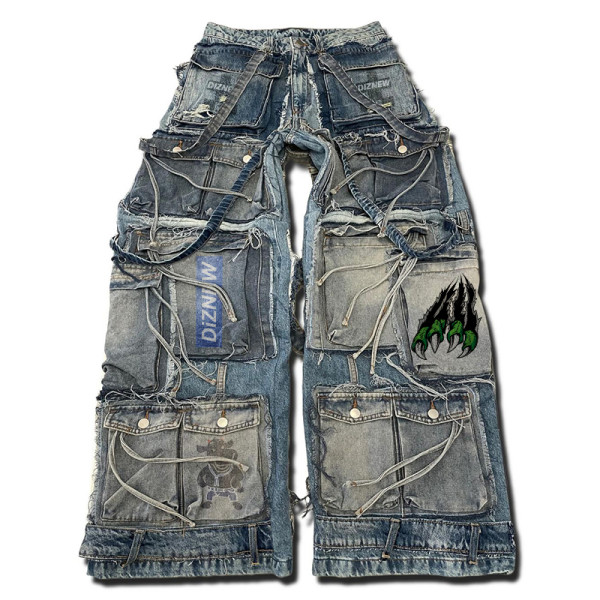
Washed denim cargo jeans with raw edge detail and oversized pockets for a bold streetwear look.