Why are jeans so uncomfortable but so popular?
- Share
- publisher
- Jimy
- Issue Time
- Jun 12,2026
Summary
Why are jeans so uncomfortable but popular? Solve this for your brand! Our B2B factory provides stretch fabrics, CAD fits & custom enzyme washes.
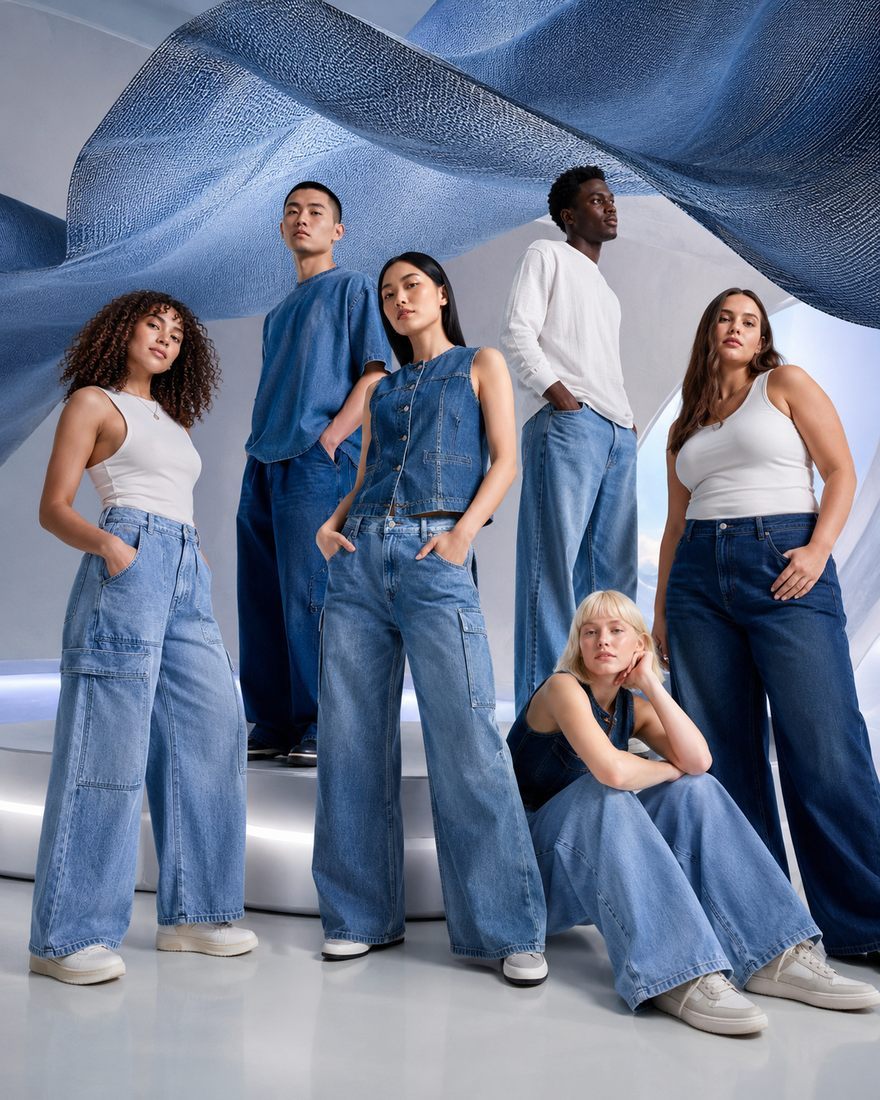
Jeans are everywhere — from school playgrounds to high fashion runways and from casual weekends to upscale streetwear. Yet ask almost anyone who wears them regularly: “Why do jeans feel so uncomfortable?” and you’ll get a mix of eye rolls, zippers tugged, and stories about pinched waistlines, tight thighs, or denim that feels stiff the moment you put it on.
Jeans can feel uncomfortable because of rigid fabric structures, poor fit choices, and traditional design patterns that don’t prioritize movement — yet they remain popular because of their cultural heritage, versatility, durability, and the personal identity they convey. Despite the discomfort, millions worldwide choose denim daily because it looks good, feels timeless, and tells a story we all want to be part of.
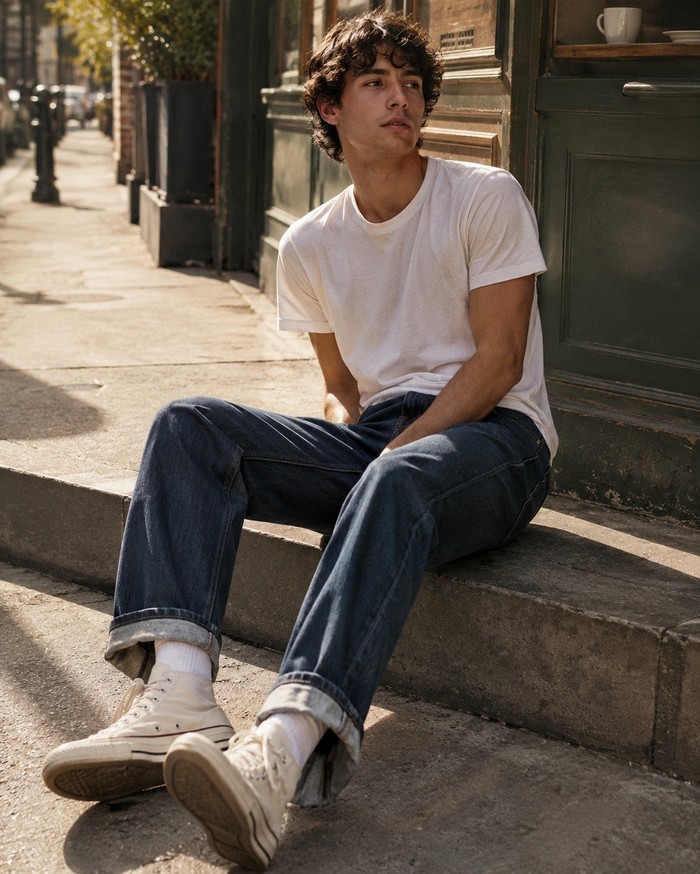
Let’s be honest: jeans are one of fashion’s biggest contradictions.
They can be stiff yet stylish, restrictive yet iconic, heavy yet hip. You might recall the first time a new pair pinched your waist but still made you feel incredible when you looked in the mirror — that’s the push–pull that keeps denim alive. In this article, we will explore why jeans are uncomfortable, why people still love them, what kinds of jeans feel better, how denim design can improve comfort, and ultimately why comfort may define the future of jeans — especially for designers and boutique buyers like you.
Why Do Jeans Feel So Uncomfortable Compared with Other Pants?
Jeans often feel uncomfortable because traditional denim is a dense, rigid cotton twill that restricts movement. Tight waistbands, heavy fabric, and poorly engineered patterns can create pressure points around hips, crotch, and thighs. Even stylish fits like skinny jeans or low rises can feel restrictive when the fabric doesn’t stretch or contour to the body.
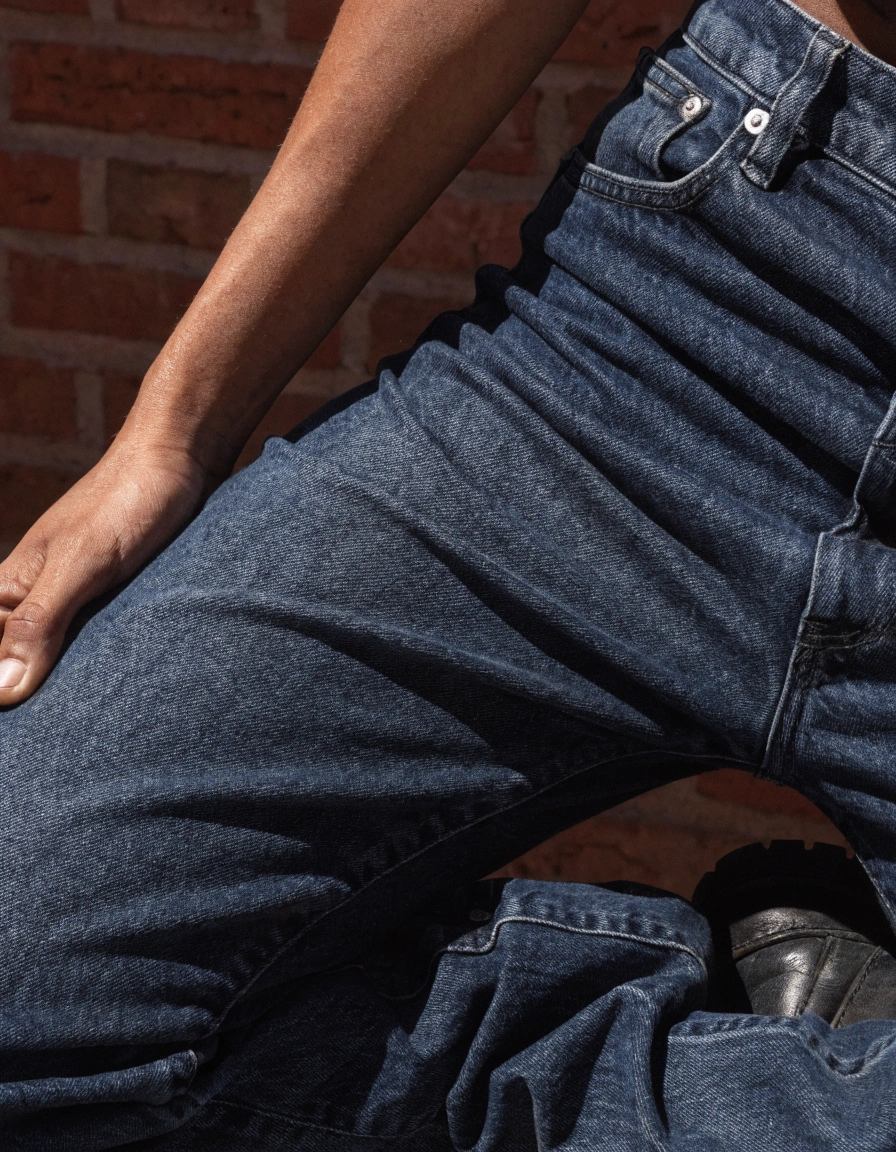
Dive Deeper — Understanding Why Jeans Feel Uncomfortable
Jeans are everywhere — they’re durable, iconic, and loved. But that doesn’t stop many people from asking: “Why do jeans feel uncomfortable?” Let’s break this down from the ground up so you — as a designer, boutique owner, or denim buyer — understand what’s really happening under the surface.
The Fiber and Fabric Truth: Rigid vs. Flexible Denim
At its core, denim started as workwear fabric — heavy, tough, and built for rugged labor. Here’s what that means:
High Cotton Density: Traditional denim is tightly woven with high‑count yarns. This makes it durable but less flexible.
Lack of Stretch: Unless denim has elastane or stretch fibers, it won’t move much with the body. Heavy cotton creates resistance when you sit, bend, or walk.
Weight Matters: Jeanie weight is measured in ounces per square yard. Anything over ~12–14 oz is often termed structured denim — which can feel stiff, especially new.
Even when jeans are pre‑washed or garment‑washed, the weave itself can feel substantial. That’s why jeans don’t “flow” like sweatpants. This rigid structure is partly why jeans feel good from a look perspective but not always from a wear perspective.
Pattern Engineering and Fit Issues
Denim comfort isn’t just about fabric — it’s about fit patterns.
Consider common fit problems:
Waistband Too Tight: When the waist is narrow or high tension, the body can feel compressed — especially after eating or sitting.
Crotch Depth Is Wrong: Too shallow and you’ll feel tugging; too deep and the jeans sag.
Hip Curve Doesn’t Match You: Flat or generic curves can create tightness in some spots and bagginess in others.
These issues are pattern engineering problems. Good denim manufacturers understand how body measurements — not just sizes — shape comfort.
Break‑In Period Reality
Many denim lovers will tell you: “Just wear them a few times and they’ll feel great.” That’s the break‑in theory.
Why is this a thing?
Cotton Fibers Relax Over Time: The first few wears stretch the denim slightly — especially if you sit, walk, and move in them.
Body Shape Embeds in Denim: After 10–20 wears, the denim starts to mold slightly to your unique shape.
But not all denim should require a grueling break‑in. Good fabric blends or smart washing can reduce this need.
Why Certain Areas Hurt More
Still uncomfortable? A few classic spots are telling:
| Area | Why It Feels Uncomfortable |
| Waist | Too narrow or stiff waistband |
| Crotch | Incorrect rise depth or pattern mismatch |
| Thighs | Tight straight or skinny cut |
Knees | Too restrictive in movement |
Back | Lack of stretch fabric |
These aren’t random — they’re design cues that denim makers can optimize when customizing jeans for customers.
Why Do People Still Love Jeans If They Can Be Uncomfortable?
Despite discomfort, jeans remain popular because they combine durability, cultural symbolism, and unmatched versatility. Denim transcends trends — it’s timeless, personal, wearable across multiple occasions, and can reflect individual identity. That emotional and stylistic value often outweighs minor discomfort for many wearers.
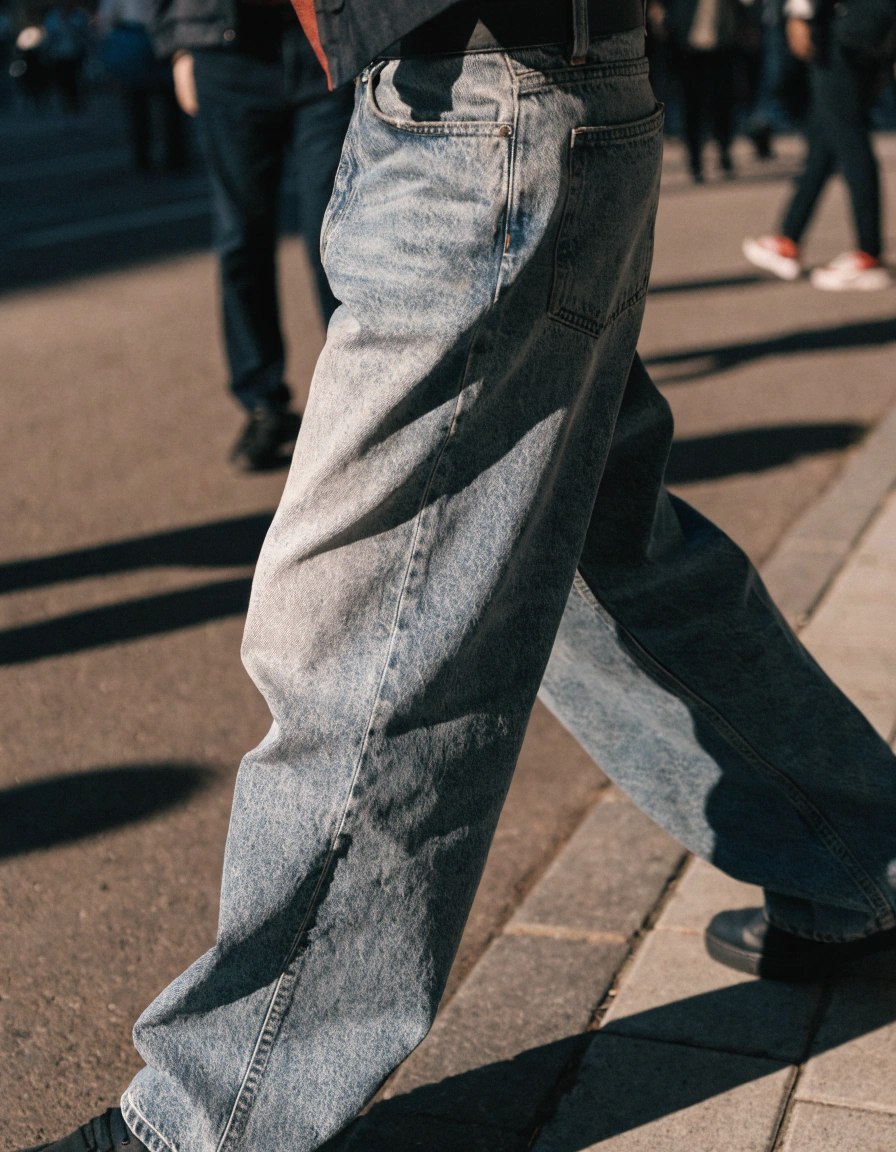
Dive Deeper — What Makes Jeans Ever‑Popular?
Jeans have endured for more than a century — not because they’re the most comfortable pants on earth (they often aren’t), but because they matter. Let’s explore the psychology, culture, and fashion dynamics that keep denim in wardrobes worldwide.
Cultural and Historical Appeal
Denim has roots in workwear — specifically, the blue jeans that miners, cowboys, and laborers wore in the early 1900s. Over time:
From Workwear to Rebellion: In the 1950s, iconic movie stars like James Dean and Marlon Brando transformed denim into a symbol of rebellion.
From Rebellion to Mainstream: Jeans entered pop culture and eventually became everyday wear — kids, office casual, streetwear, and high fashion.
Identity Marker: Wearing denim can say something about who you are — classic, edgy, relaxed, or stylish.
This magnetic cultural weight pulls people toward jeans — even when they feel tight around the waist or stiff out of the box.
Versatility Across Styles and Occasions
Jeans are the Swiss Army knife of fashion:
Casual Looks: Pair with tees, hoodies, sneakers.
Smart Casual: Add blazers or knitwear.
Market Demand: Straight, baggy, stacked, selvedge, or even denim shorts and jackets.
No other garment category wears so many hats — which keeps demand high.
Why Minor Discomfort Often Gets Ignored
People will forgive a little discomfort for value they really want:
If a pair of jeans transforms their silhouette.
If the wash or finish looks amazing on camera.
If the denim matches their personal aesthetic.
In other words, denim often earns discomfort through style payoff.
Cultural Restrictions — A Surprising Twist
One fascinating denim fact: In some countries, denim has been restricted due to cultural or political significance. For example, reports suggest that North Korea has discouraged or limited blue jeans because they’re viewed as Western symbols. This extreme case underscores just how powerful denim culture can be — strong enough to make governments wary.
(Note: Denim may be available or limited depending on local policies, but this point highlights denim’s worldwide cultural footprint.)
Emotional Comfort vs. Physical Comfort
Fashion consumers don’t always choose comfort first. Often, they choose:
Confidence
Identity expression
Trend alignment
Authenticity
Jeans deliver all of these — even if the first few wears feel a bit tight or stiff.
Are Some Jeans More Comfortable Than Others?
Yes — comfort varies widely by fabric type, fit silhouette, and individual body shape. Relaxed fits like baggy jeans or jogger jeans often feel more comfortable than rigid straight or skinny styles. Guidelines like the “2 finger rule” help buyers find better fitting jeans.
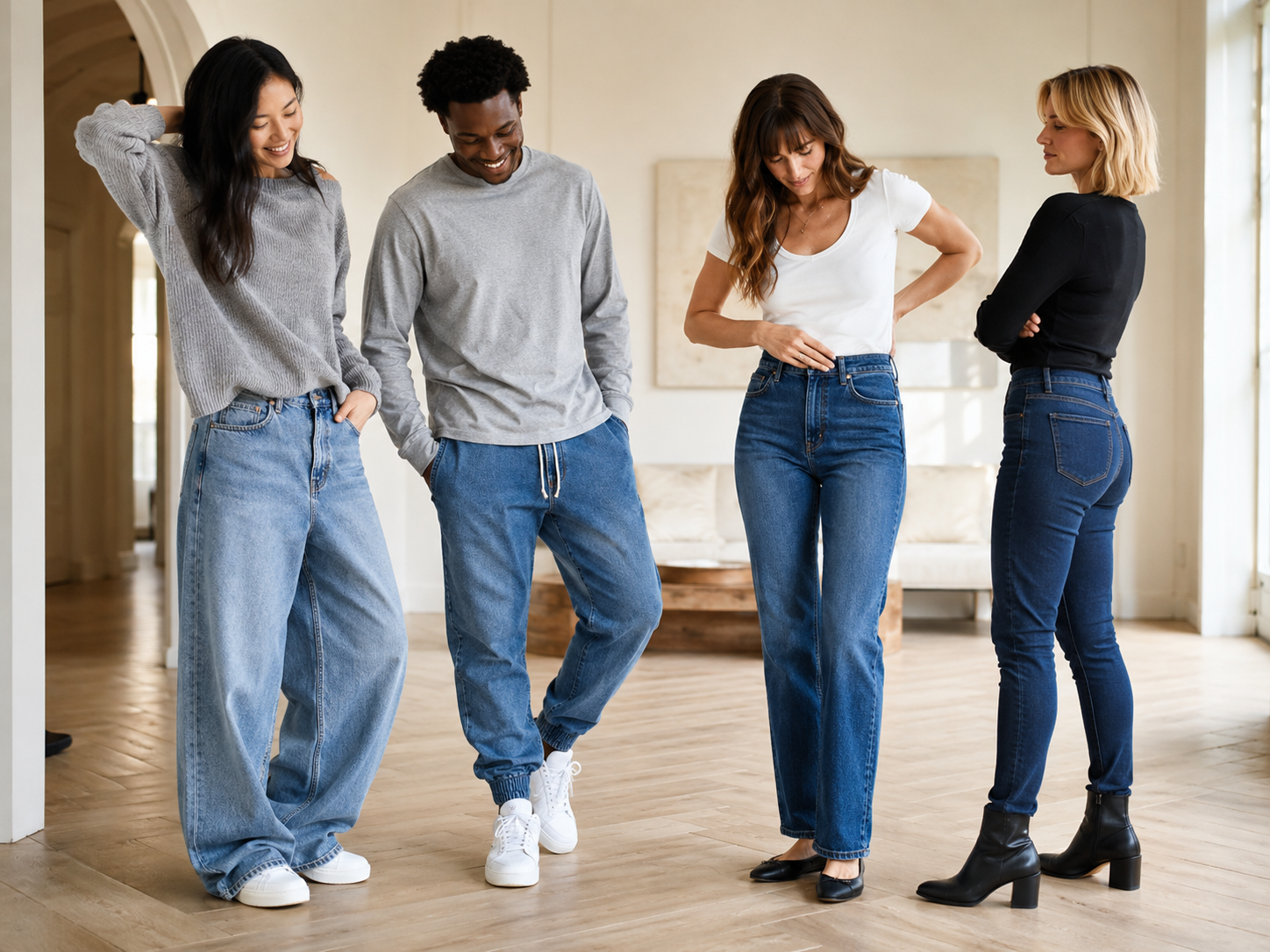
What Is the “2 Finger Rule” for Jeans?
This simple fitting guideline can revolutionize how customers shop for denim:
The “2 Finger Rule” says you should be able to comfortably insert two fingers between your body and the waistband of your jeans. If you can’t:
The waist may be too tight → discomfort.
Movement may be restricted.
The fit may dig into your skin after sitting.
If it’s too loose:
The jeans might slide down.
The silhouette may look sloppy.
This rule helps buyers balance fit and comfort — particularly useful in boutiques or custom ordering.
Comparing Classic Fits — Comfort by Shape
| Fit Type | Comfort Level | Typical Use |
| Skinny Jeans | Medium–Low | Fashion first |
| Straight Jeans | Medium–High | Everyday wear |
| Baggy Jeans | High | Comfort‑focused trend |
Jogger Jeans | Very High | Athleisure / comfort |
Plus Size Jeans | Variable | Dependent on fit engineering |
Now let’s unpack these further.
Skinny Jeans
Skinny jeans can feel restrictive, especially when they lack stretch. Tightness around the thighs, calves, and knees often creates pressure. However:
Add stretch fibers (e.g., 2–4% elastane).
Fine‑tune rise and hip curve.
Use soft washing.
→ Suddenly skinny jeans become much more comfortable without losing their sleek look.
Straight & Relaxed Jeans
These tend to balance structure and movement:
Straight cuts don’t hug the leg tightly.
Relaxed fits allow natural movement.
Suitable for most body types.
Retailers often find these styles sell reliably because they combine comfort and versatility.
Baggy & Jogger Denim
This is where comfort becomes central:
Extra room in thighs and knees.
Soft waistband or drawcords in joggers.
Blends that include spandex or ultra‑soft cotton.
These fits are trending — especially among Gen Z and boutique fashion customers.
Why Plus Size Denim Needs Special Engineering
Plus size jeans can be especially tricky because:
Simply scaling up a pattern isn’t enough.
Different body areas require proportional shaping:
Wider hip curve
Comfortable waistband design
Strategic stretch zones
Proper crotch depth
Great plus size jeans feel intentional — not just “scaled up.” This is where custom denim development — like what DiZNEW provides — becomes invaluable.
Fit Is Personal — Not One‑Size‑Fits‑All
No single fit works for everyone. Comfort depends on:
Body shape
Activity level
Personal style preference
Fabric type and stretch
Retailers who help customers understand these differences see higher satisfaction and fewer returns.
How Can Jeans Be Designed to Feel Better Without Losing Their Style?
Jeans can be engineered for comfort through smart fabric blends, ergonomic pattern design, thoughtful waistband and rise construction, and garment washing techniques. Custom denim development allows designers to maintain aesthetic style while significantly improving wearability — a key advantage for boutique brands and private labels.
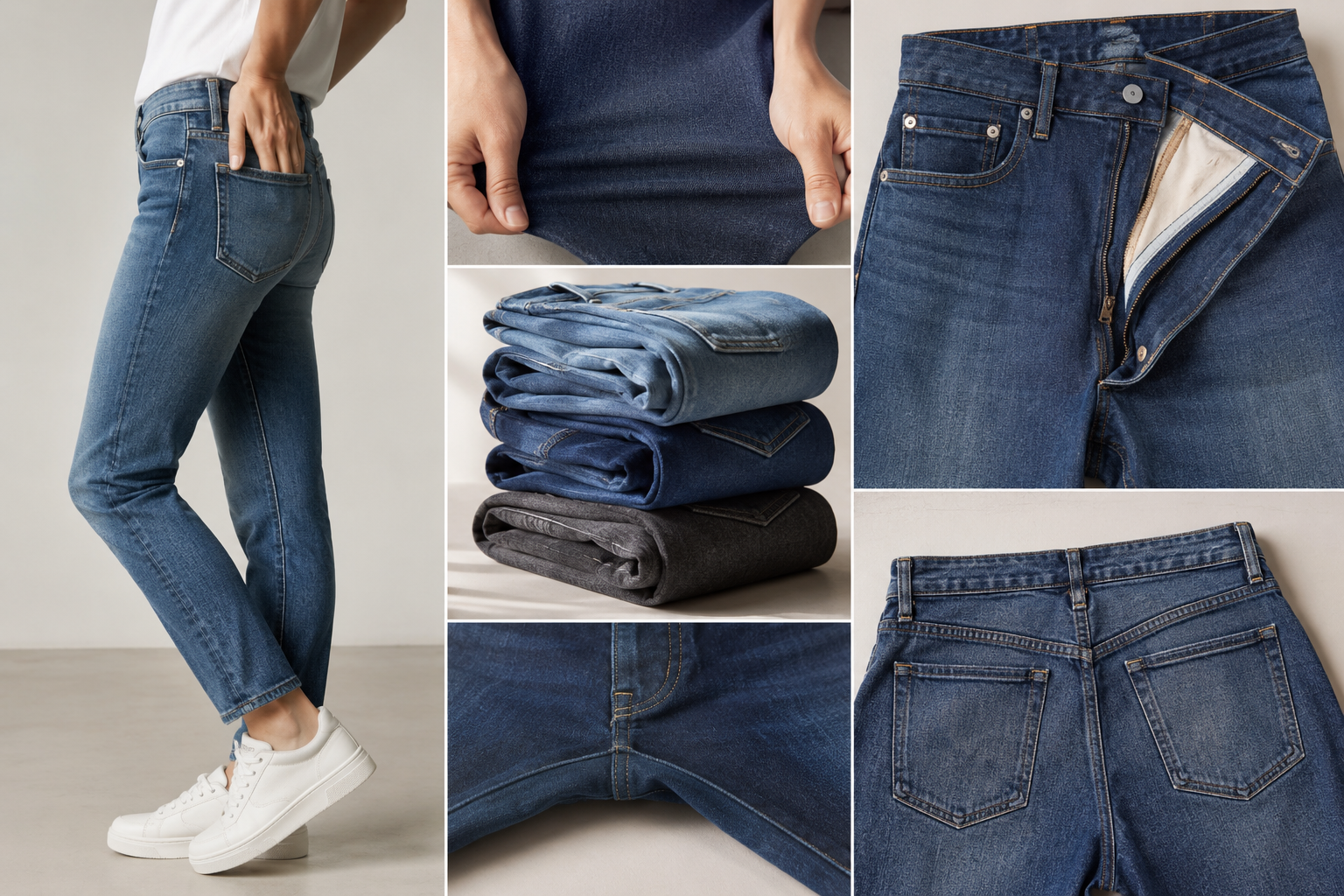
Pattern Engineering — Where Comfort Begins
Good denim isn’t just about looks — it’s about how the jean interacts with the body. Pattern engineers consider:
Waistband ergonomics: Better curve, right tension.
Crotch design: Proper rise and angle.
Hip shape: Matching real body curves.
Thigh room: Enough space for movement.
Knee shape: Allow bending without pinching.
Inseam balance: Length that complements movement.
Patterns make or break comfort — even before the fabric is chosen.
Fabric Selection — Choosing the Right Denim
Not all denim feels the same. Some common choices include:
| Type | Comfort | Look | Best For |
| Rigid Denim | Low | Classic | Structured silhouettes |
| Stretch Denim | High | Modern | Skinny & slim fits |
| Soft‑Wash Denim | Very High | Casual | Everyday comfort |
Lightweight Denim | High | Breathable | Warm weather |
By blending cotton with elastane or other stretch fibers, you achieve:
Freedom of movement
Soft feel on the skin
Less break‑in time
Many boutique buyers prefer 10–12 oz stretch denim as a balance of style and comfort.
Wash and Finish Techniques
Washing transforms denim from stiff to soft:
Enzyme wash: Breaks down surface hardness.
Stone wash: Adds softness and vintage character.
Softeners: Improve hand‑feel without weakening the fabric.
Finish choices can also enhance style:
Vintage fades
Contrast whiskering
Selvedge details
These finishes don’t have to compromise comfort — when done well, they enhance both.
Customized Details That Matter
Small design details contribute big comfort wins:
Waistband stretch insert
Curved back yoke
Reinforced pockets that don’t rub
Adjustable cuffs on joggers
Hidden elastic panels for mobility
These details elevate comfort without losing style — and they’re perfect for private label or custom denim collections.
The DiZNEW Advantage: From Sketch to Wearable Samples
What sets a great denim manufacturer apart?
Deep technical expertise
Pattern engineering precision
Fabric sourcing network
Flexible MOQ — 30 pieces to large runs
OEM/ODM customization
Fit testing & sample revisions
Boutique brands, designers, and online sellers all benefit when their denim fits as intended — not just in theory, but in real wear.
What Is the Future of Comfortable Jeans?
The future of jeans is shifting toward comfort‑first designs, with growing demand for relaxed silhouettes like baggy or wide‑leg jeans and a move away from restrictive skinny cuts. Inclusive sizing, ergonomic patterns, and better fabric technology will define next‑generation denim.
Why Gen Z Is Moving Away from Skinny Jeans
Gen Z doesn’t hate denim — they hate restriction.
Younger consumers increasingly prefer:
Baggy jeans
Wide‑leg silhouettes
Straight cuts
Denim joggers
Vintage relaxed fits
This isn’t just a trend — it’s a shift in values:
Comfort over constriction
Authenticity over mainstream styles
Functional fashion
Individual identity over uniform looks
For boutiques and brands, this means offering denim that feels good first, looks good second — or better yet, both.
Comfort as a Competitive Edge
Jeans that feel good sell better — it’s that simple.
Customers keep jeans that feel comfortable on day 1.
Returns drop when sizes and fits are accurate.
Repeat buyers increase when fit expectations are met.
Comfort is not a fad — it’s a business advantage.
Inclusive Sizing — A Growing Market
The denim industry is waking up to something important:
One size does not fit all.
Inclusive sizing means:
Better pattern libraries for diverse bodies
Proportional shaping (not just scaling)
More satisfied customers
Brands that invest in thoughtful sizing — with the help of a custom OEM partner like DiZNEW — stand out.
Future Fabrics and Tech
Denim may evolve with:
Bi‑stretch fabrics
Temperature‑adaptive fibers
Sustainable blends
Low‑impact dyes
These innovations combine comfort with performance — perfect for active lifestyles and fashion‑forward wardrobes.
Style + Comfort = Customer Loyalty
Smart denim design is no longer about trend alone. Customers now expect:
Aesthetic excellence
Wear‑all‑day comfort
Flattering silhouettes
Consistency across sizes
Boutique brands that deliver this will win repeat business — and that’s where customization plays a pivotal role.
Ready to Turn Ideas into Comfortable, Stylish Jeans? Contact DiZNEW.
Jeans don’t have to be uncomfortable — not when they’re engineered right. Whether you’re launching a boutique brand, curating an online store, or building a private label denim collection, DiZNEW specializes in custom denim solutions that blend style, comfort, and performance.
✨ Why Choose DiZNEW?
20+ years of denim expertise
Custom styles from plus size to baggy, stacked, straight, skinny & more
Premium fabrics: selvedge, stretch, soft wash, and hard‑to‑find weaves
Low MOQ (30 pcs) + large order capacity (10,000+)
OEM/ODM branding & full product development
From design concept to final product — seamless process
📩 Contact us today to design jeans your customers will love — inside and out. Let’s create denim that feels great, looks iconic, and becomes a best‑seller in your boutique or online store.
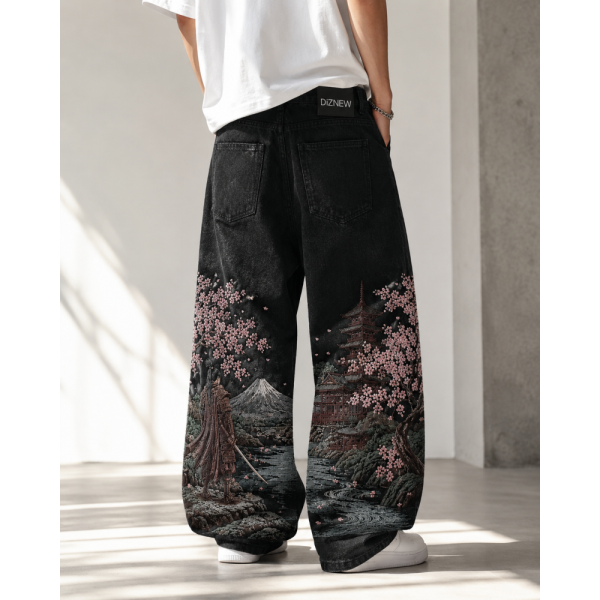
Premium wide-leg denim jeans featuring a vintage washed black finish, detailed Japanese landscape artwork, embroidery-style decoration, and custom brand label options. Designed for streetwear brands, designer labels, and private label collections looking for statement denim with strong visual storytelling.
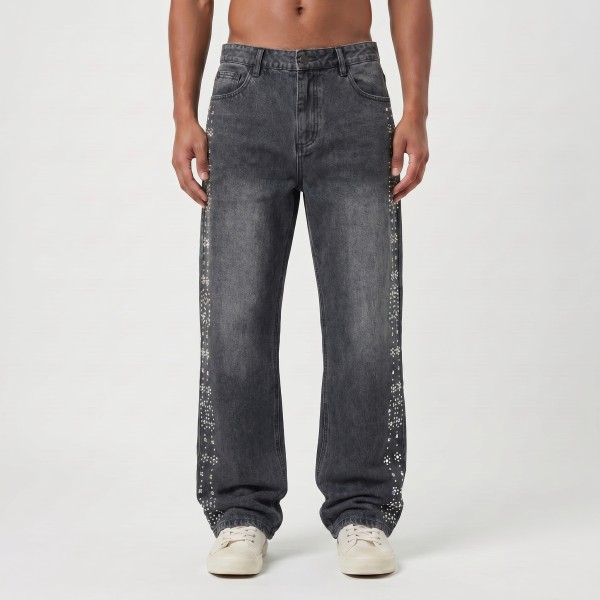
Discover premium DiZNEW denim jeans with decorative studs for a sparkling, stylish look. Order today!
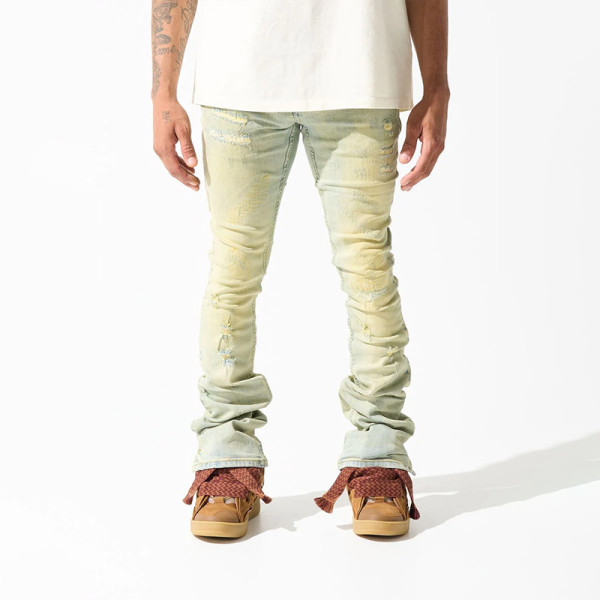
Skinny stacked jeans with distressed detailing and yellow-tinted bleach wash — bold choice for trendsetters.
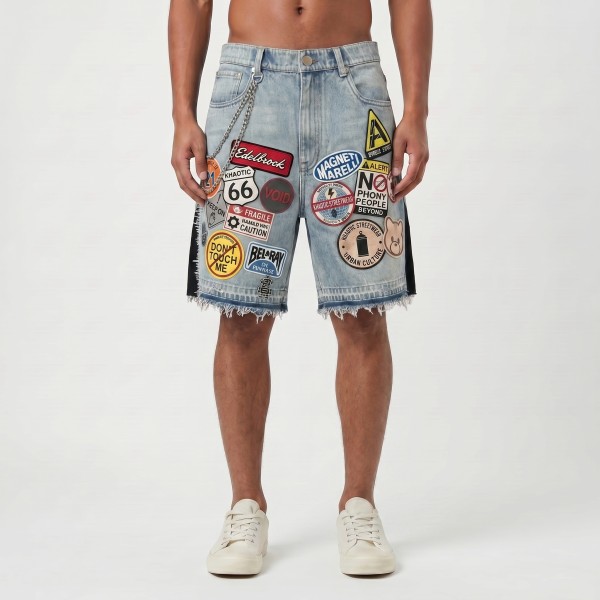
Streetwear-inspired custom denim shorts with utility pockets, distressed wash, and fringe hem for bold collections.