Why Is Selvedge Denim Making Such a Huge Comeback?
- Share
- Issue Time
- Dec 23,2025
Summary
Discover the reasons behind the resurgence of selvedge denim. Explore its unique qualities, craftsmanship, and why it's a must-have in modern fashion.
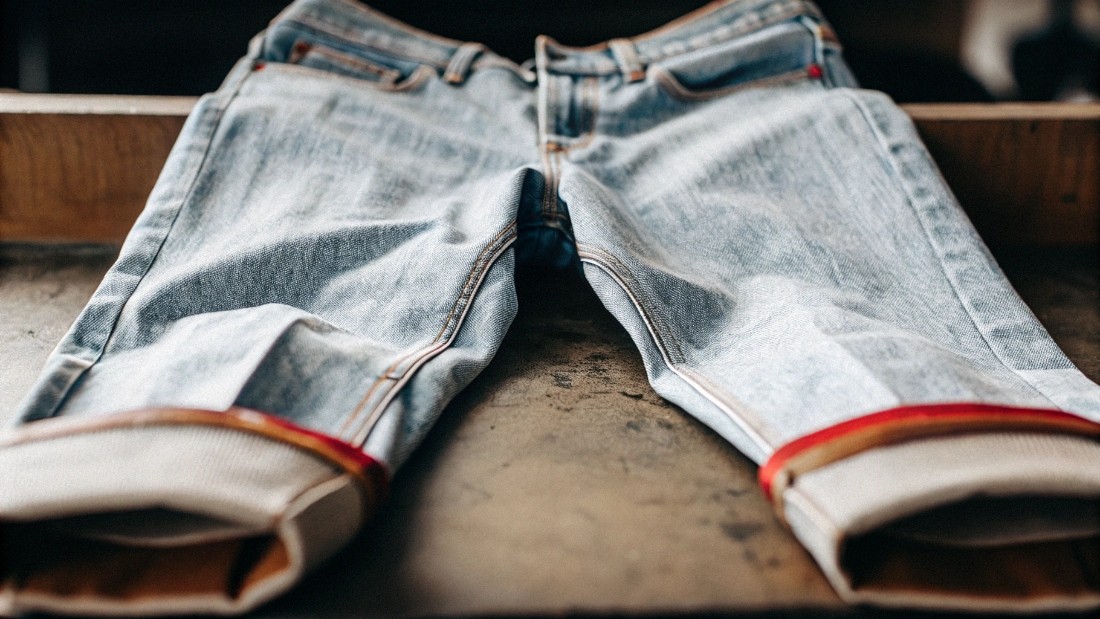
You see "selvedge" everywhere, from high-end boutiques to mass-market chain stores. The term has become a buzzword, but the real story behind its return feels diluted and unclear.
The selvedge renaissance is driven by a powerful consumer desire for authenticity. It's a rebellion against decades of mass-produced, lower-quality jeans and a return to the superior craftsmanship of vintage denim.
Dean, your insight about authenticity is exactly what we've witnessed on the factory floor. This isn't just a trend; it's a fundamental shift in what people value. For years, the focus was on speed and volume. Now, a growing number of consumers, and designers like you, are looking for a story.
They want a connection to the heritage of denim. The selvedge line on an outseam is more than just a detail; it's a visible promise of quality and a nod to a time when things were built to last. It’s a story we are now helping brands tell again.
What Exactly Does 'Selvedge' Mean?
The term 'selvedge' is used constantly in marketing, but many of your clients may not understand what it physically represents. You need a clear, simple way to explain this key feature.
Selvedge means "self-edge." It's the clean, tightly woven edge on a roll of denim that prevents it from unraveling. This edge is only possible when the fabric is made on a vintage shuttle loom.
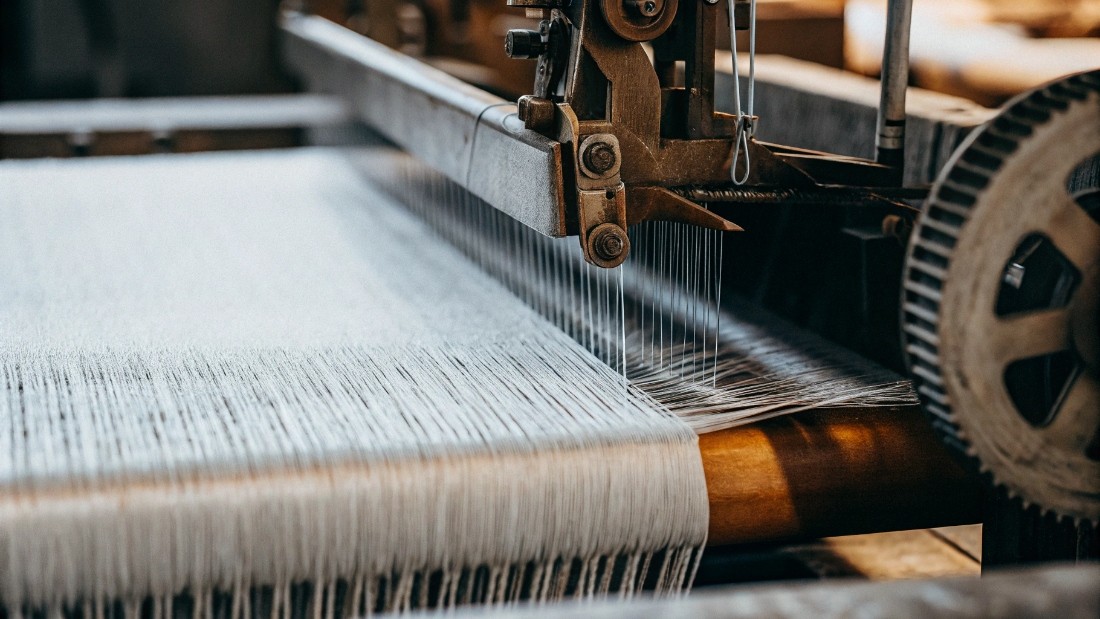
In the factory, the type of loom we use dictates everything. Selvedge denim comes from old-school shuttle looms. These looms are slow and produce narrow fabric, typically only about 32 inches wide. As the shuttle passes the weft thread back and forth, it weaves the edges of the fabric closed.
This creates that clean "self-edge." Modern projectile looms are much faster and wider, but they leave frayed edges that must be cut and sewn with an overlock stitch to prevent fraying. That clean edge is a visual guarantee that the fabric came from a traditional, slower, and more character-rich process.
Shuttle Loom vs. Projectile Loom
| Feature | Shuttle Loom (Selvedge) | Projectile Loom (Non-Selvedge) |
| Fabric Edge | Finished "self-edge" | Frayed, requires overlock stitching |
| Fabric Width | Narrow (approx. 32 inches) | Wide (60+ inches) |
Production Speed | Slow, methodical | Fast, high-volume |
Fabric Texture | More texture, "slub," and character | More uniform and flat |
| Result | Higher quality, more durable denim | Efficient, lower-cost mass production |
What Caused the Downfall and Rebirth of Selvedge Denim?
You know selvedge disappeared from the mainstream. But to truly understand its renaissance, you need to know why it fell out of favor and how it was saved from being lost forever.
Selvedge fell due to the demand for mass production in the '60s and '70s, which favored faster, cheaper looms. It was reborn when Japanese artisans bought the old looms and preserved the craft, reintroducing superior-quality jeans to a market hungry for authenticity.
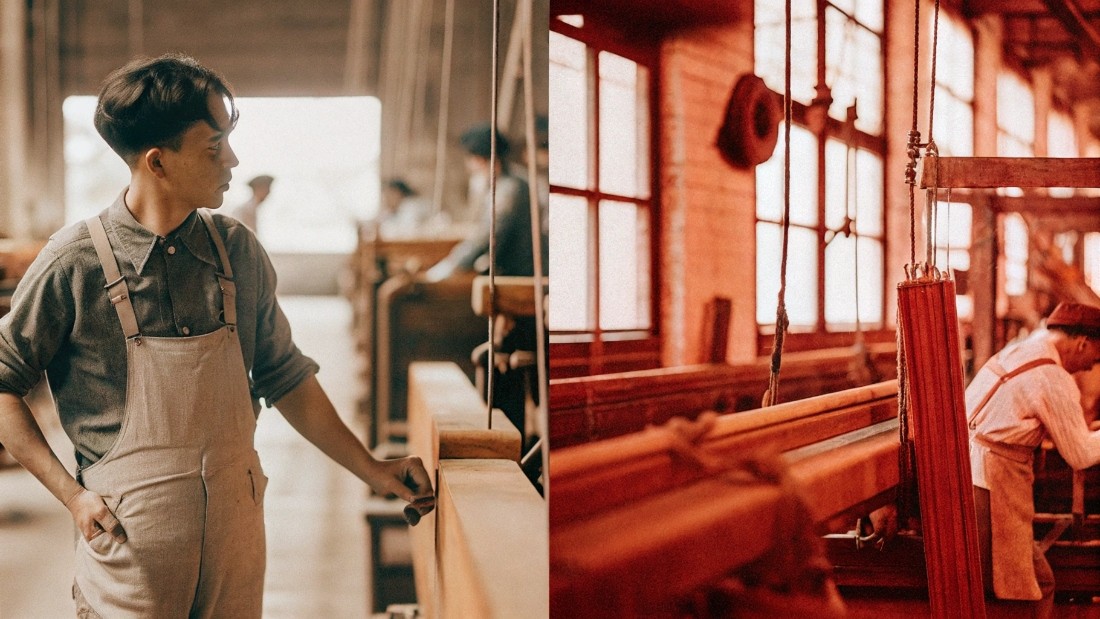
This is a story I love because it shows the power of craft. As you noted, all denim used to be selvedge. It was workwear. But when jeans became a fashion symbol in the 1950s, demand exploded. American factories, needing to produce more and faster, made a business decision.
They switched to modern, efficient projectile looms. They sold their old, slow, "inefficient" shuttle looms for scrap or, luckily for us, to Japanese companies who saw their true value. For decades, American denim quality declined. The Japanese, however, perfected the old methods.
They became the custodians of this craft. By the late '90s, denim lovers started to notice that the best jeans in the world were coming from Japan. Pioneers brought these jeans back to the US, and a new generation discovered the quality they had been missing.
Why is Selvedge So Important to Denim Purists?
Some clients might see selvedge as just another detail, an extra cost. You need to articulate why, for a certain customer, it is the most important feature of a jean.
For a purist, selvedge is a guarantee of quality and authenticity. It signifies a garment made from durable, character-rich fabric that will age beautifully, and it connects the wearer to the golden age of denim.
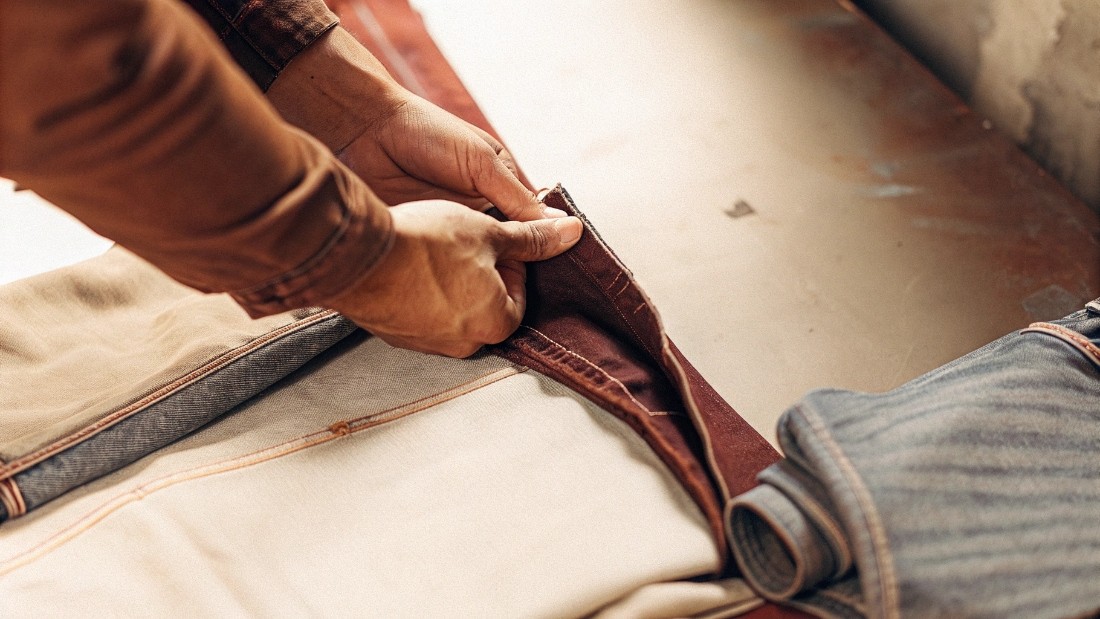
When we work on a high-end selvedge project, we know the customer is buying more than just a pair of pants. They are buying a philosophy. The selvedge ID is a symbol of that philosophy. It represents a commitment at every level. It means the fabric was likely made from better cotton.
It means it was woven slowly, giving it more texture. It means the jean was constructed with more care because you have to use more of this expensive, narrow fabric to make a single pair. It promises a better aging process, with more unique and defined fades over time. For the person who truly loves denim, a jean without selvedge is like a book with the last chapter torn out. It's missing a crucial part of its story and its integrity.
What Makes Selvedge Denim Unique?
Beyond the finished edge, you need to explain the other qualities that make selvedge denim a distinct and superior fabric for creating high-end, vintage-inspired jeans.
Selvedge denim's uniqueness comes from the "chatter" and imperfections of vintage shuttle looms. This creates a slubby, uneven texture in the fabric that results in rich, high-contrast fades that are impossible to replicate with modern looms.
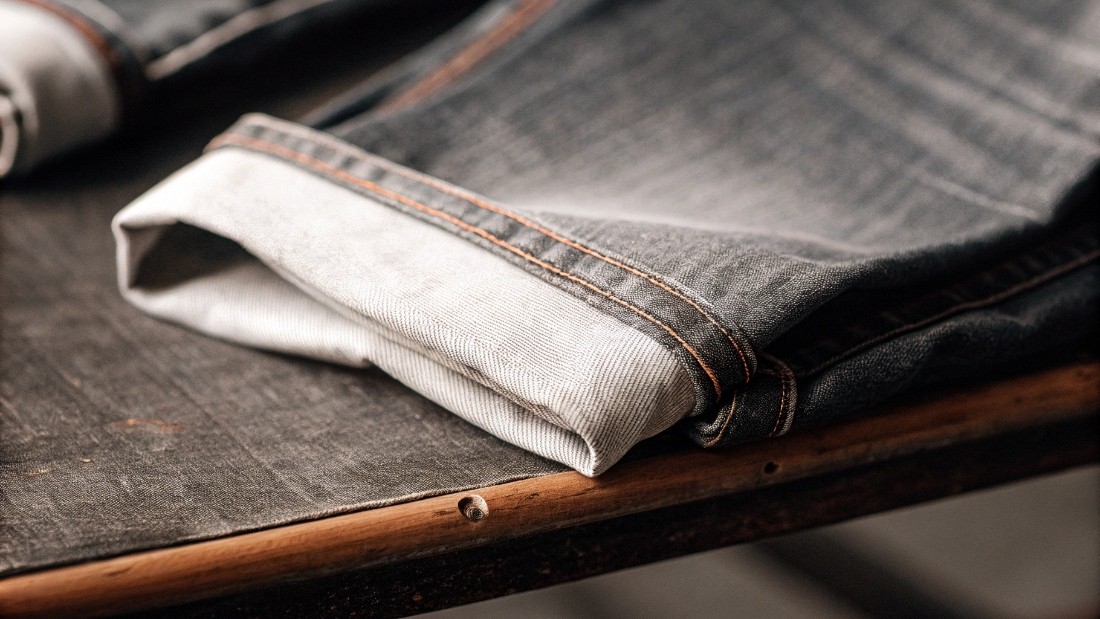
Dean, this is where we get into the real art of denim. When we put a roll of true Japanese selvedge on the cutting table, you can feel the difference. It’s not perfectly smooth. It has a life to it. Those old shuttle looms are not perfectly calibrated machines. They vibrate and "chatter" as they work, creating slight variations in the tension of the weave. This results in a "slubby" or uneven texture.
It's not a flaw; it's the signature of the machine. This texture is what makes the fades so beautiful. As the indigo dye wears away, it rubs off the high points of the uneven threads first, creating incredible depth and contrast. This is why you see brands charging a premium. They aren't just selling a clean outseam; they're selling the unique fading potential that only this beautifully imperfect fabric can provide.
Conclusion
The selvedge renaissance is more than a trend; it's a return to value. It champions authenticity, superior craftsmanship, and the unique character that only vintage manufacturing methods can provide.
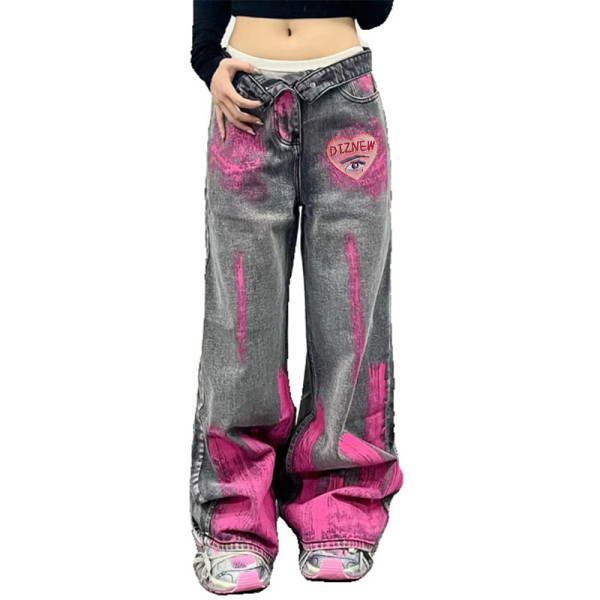
Statement graffiti jeans with pink hand-painted details and heart logo. Designed for bold, artistic wardrobes.
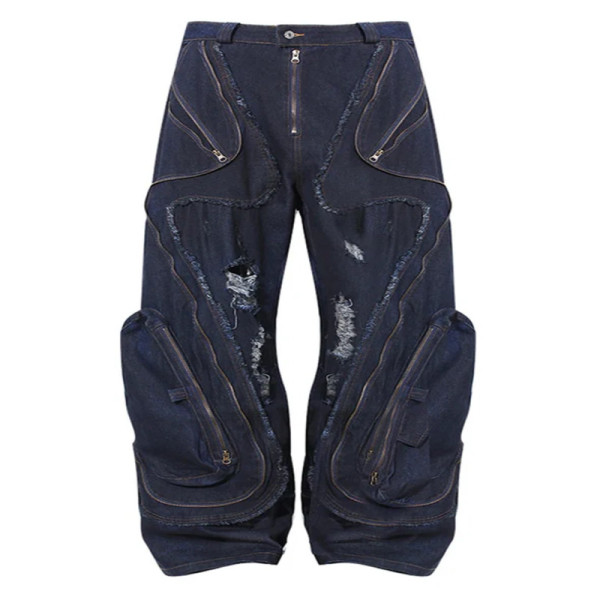
Statement denim with bold cuts, distressed textures, and functional oversized zip pockets for runway-ready looks.
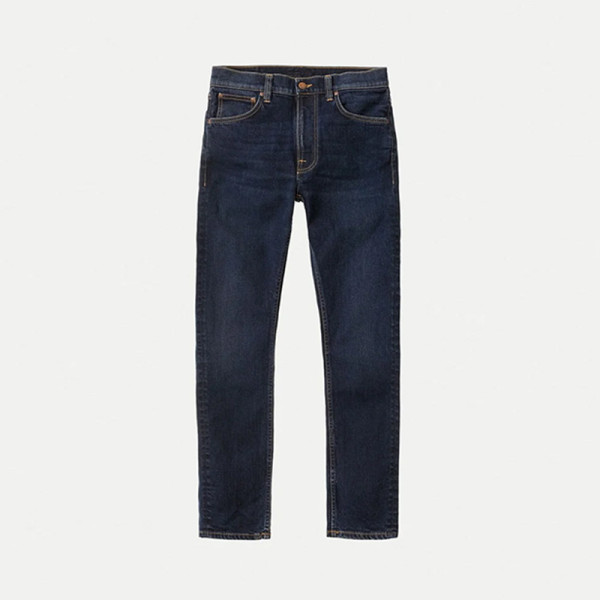
Blank dark indigo denim jeans with a slim fit. Durable, unwashed, and fully customizable for brands and designers.
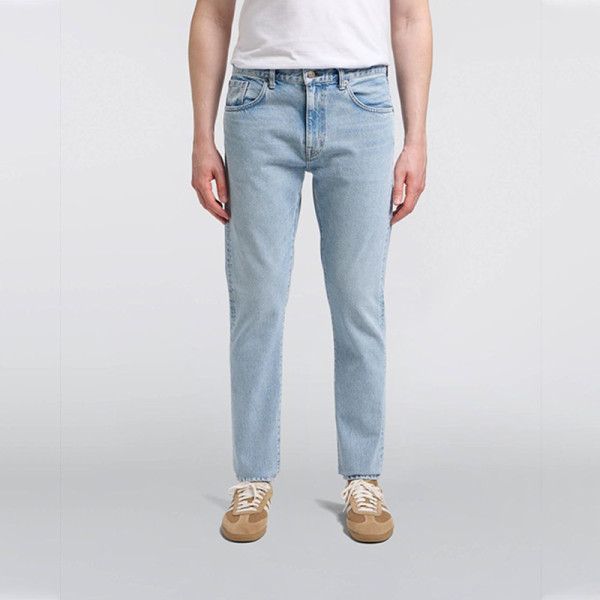
Premium light wash jeans designed for boutique owners and luxury brands. Sleek slim fit, customizable for private labels and exclusive collections.