Why Are My Jeans So Baggy?
- Share
- Issue Time
- Dec 8,2025
Summary
Discover the reasons behind your baggy jeans and learn how to achieve the perfect fit. Say goodbye to ill-fitting denim with our expert tips!
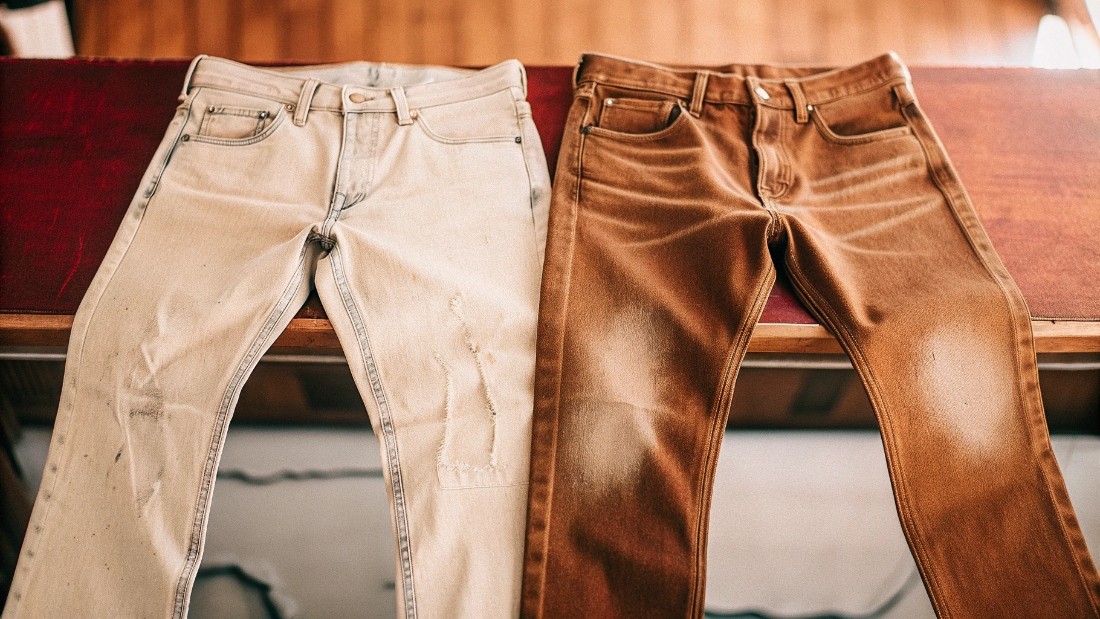
Have you ever stared in the mirror and wondered, “Why are my jeans so baggy?” Maybe you bought them last week, and now they’ve gradually turned into saggy tents around your waist and thighs. Baggy jeans can be a frustrating style mishap—one minute you’re rocking that relaxed fit, the next you’re constantly hitching them up.
Whether you’re a denim connoisseur or just someone who lives in jeans, understanding what makes your denim lose its shape is crucial to keeping your favorite pair looking sharp. In this guide, we'll unpack the real reasons behind baggy jeans—from fabric choices and daily wear patterns to wash routines and fit misunderstandings.
Jeans become baggy due to fabric stretch, repeated friction at stress points, improper care routines, and even sizing issues. Stretch denim relaxes over time, hot-water washes can distort the weave, and waistbands loosen after all-day wear. Identifying whether it’s a material, care, or fit problem allows you to take targeted action—like choosing rigid denim, washing cold, or getting a custom cut—to keep your jeans snug and flattering.
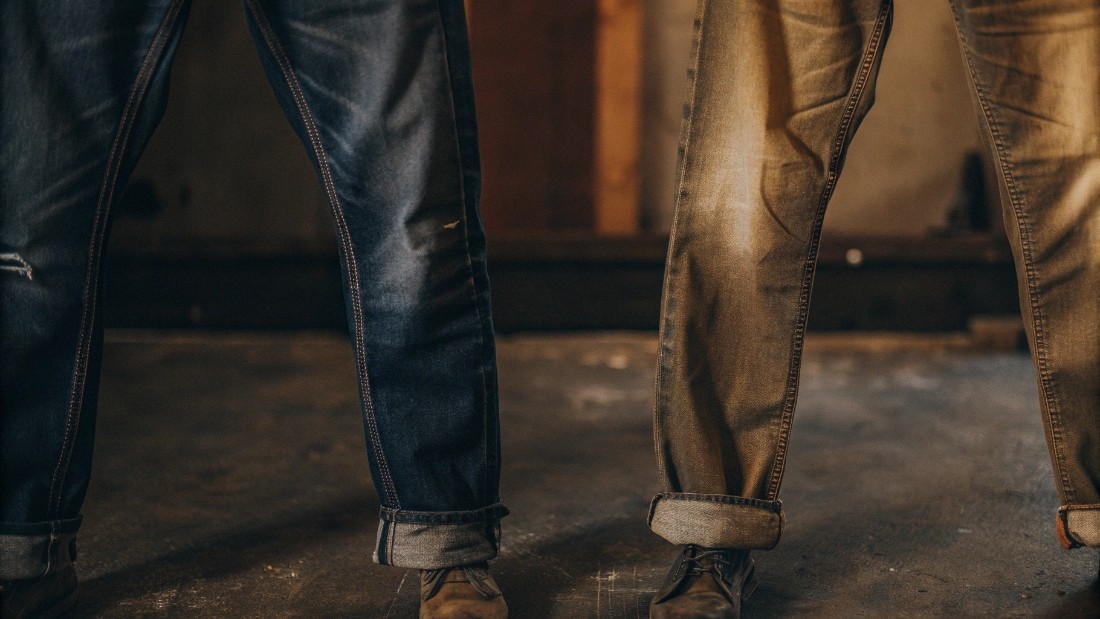
Last month, an indie boutique owner shared a cringe-worthy tale: she was in the middle of a photoshoot when her favorite selvedge jeans suddenly gaped at the waist—exposing her bright pink undies to the lens. Mortified but resourceful, she contacted her factory in China (that’s us at DiZNEW), got a custom pattern tweak, and never looked back. Intrigued? Read on to learn how you can avoid the same denim disaster.
What Factors Cause Jeans to Become Baggy Over Time?
Jeans stretch and bag for several reasons: the fabric composition (stretch denim uses elastane), daily wear friction on seat and knees, and even your original fit choice. Over time, the elastic fibers lose resilience, and repeated movement causes the cotton weave to loosen. Identifying these factors helps you choose firmer fabric, reinforce stress points, or adjust your wearing habits to keep your jeans fitting as intended.
1. Fabric Composition and Stretch Technology
Polyester vs. Elastane: Modern stretch denim often combines cotton with 2–5% elastane. While elastane gives comfort and flexibility, it gradually relaxes with each wear. The cotton fibers also wear down, leading to permanent bagginess.
Rigid Denim Advantage: Pure cotton, 12–16 oz rigid denim retains its shape longer. Though initially stiffer, it molds to your body after a few wears without overstretching.
Blended Fabrics: Some mills use cotton/poly blends for stability and reduced stretch. Understanding fabric labels (e.g., 98% cotton, 2% elastane) helps you predict long-term fit.
2. Wear Patterns and Friction
Seat and Knee Stress: Sitting, bending, and daily movement concentrate stress at the seat, knees, and waistband. Over time, these areas loosen up.
Active vs. Passive Wearers: Desk workers experience baggy seat lines, while manual laborers see stretched knees. Your lifestyle dictates where reinforcement (like bartacks or rivets) is needed.
3. Original Fit and Cut Considerations
Baggy vs. Relaxed vs. Straight: Terms like “baggy” and “relaxed” reflect the initial cut. But even a straight-fit jean can become baggy if the wrong size is chosen.
Custom vs. Off-the-Rack: Off-the-rack sizing uses generalized measurements, which rarely match individual body shapes. Custom or made-to-measure ensures precise waist, hip, and thigh dimensions.
4. Elastic Memory Loss
Elastic Fiber Fatigue: Elastane behaves like a spring that loses tension over multiple cycles. The more you stretch and wash, the less bounce-back you get.
Care Impact: Hot washes and dryer heat accelerate fiber fatigue, compounding the baggy issue faster.
Practical Tip
To combat stretch, look for jeans labeled “low-stretch” or “semi-rigid,” and if possible, invest in custom cuts from DiZNEW—where we can engineer reinforced stress points and precise fits for your unique shape.
How Do Different Denim Fabrics and Constructions Affect Bagginess?
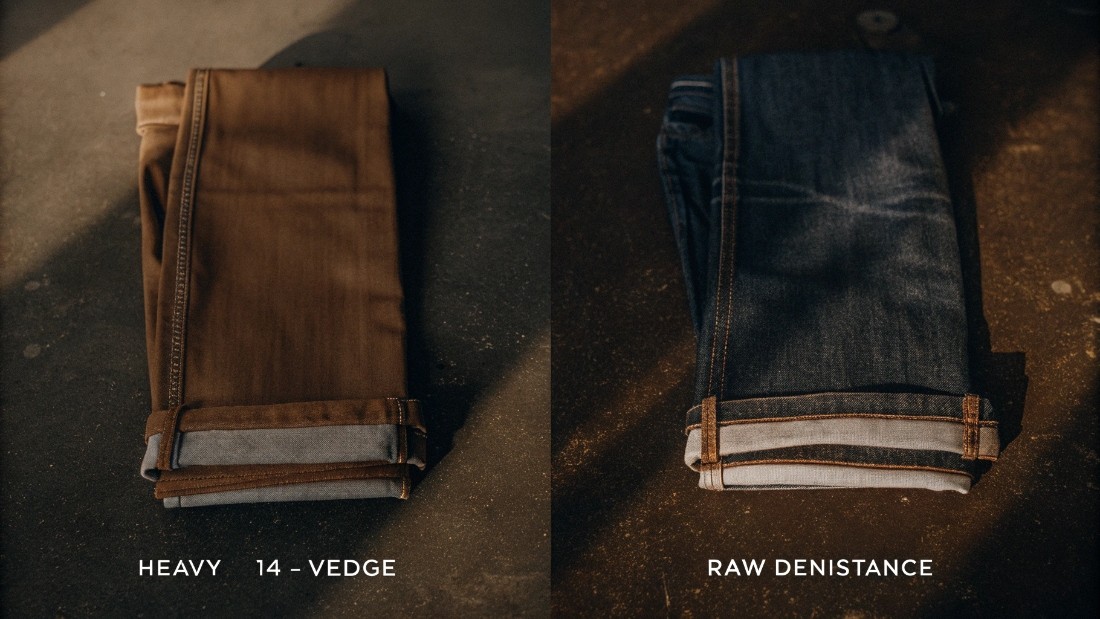
Denim weight, weave, and finishing methods directly impact how jeans hold shape. Heavier, 14–16 oz selvedge or raw denims resist stretching, while washed and stonewashed denim relax quickly. Rigid denims use tighter weaves, reducing bagginess. Understanding these variations allows you to select jeans that maintain their original silhouette longer, or choose treated finishes that strike a balance between comfort and stability.
1. Understanding Denim Weight and Weave
Weight Matters: Lightweight denim (8–10 oz) wears in quickly but also stretches out. Midweight (11–13 oz) is versatile, while heavyweight (14–16+ oz) is most durable and shape-retentive.
Weave Types:
Left-hand Twill (LHT): Visibly tighter diagonal lines, slightly less prone to bagging.
Broken Twill: Minimizes diagonal lines, resulting in a rigid feel and slower break-in.
Selvedge vs. Open-Ended: Selvedge (edge-finished) denim looms more densely, offering superior shape retention. Open-ended denim is lighter but more prone to bagging.
2. Raw, Washed, and Sanforized Denims
Raw Denim: Unwashed, untreated fabric that shrinks minimally if sanforized. Its stiff structure resists stretch until it’s broken in on the body.
Washed Denim (Stonewash, Enzyme Wash): These processes pre-soften the cotton, but at the cost of reducing tensile strength—leading to quicker bagging.
Sanforization: A pre-shrinking process that stabilizes the fabric. Sanforized raw denim shrinks only 1–3%, preserving the rigid characteristics.
3. Stretch vs. Rigid Denim Pros and Cons
Stretch Denim: Offers immediate comfort, ideal for active wearers. However, more elastic fibers mean higher risk of permanent bagging.
Rigid Denim: Takes longer to break in, but once molded, retains the fit. Best for those who prioritize longevity over day-one comfort.
4. Finishing Treatments and Reinforcements
Resin Coatings: Applied to enhance rigidity, but may crack or flake over time.
Bartacks, Rivets, & Interfacings: Reinforce high-stress points—seat corners, pocket openings, belt loops—delaying bagginess.
Topstitch Thread: Heavier gauge threads help maintain seam integrity under stress.
Table: Denim Fabric Comparison
| Fabric Type | Weight (oz) | Stretch Content | Shape Retention | Break-in Time |
| Raw Selvedge | 14–16 | 0% | High | 100+ wears |
Washed Stretch | 11–12 | 2–5% Elastane | Medium | Immediate |
| Open-Ended Rigid | 12–14 | 0% | High | 50+ wears |
| Pre-Washed Denim | 10–12 | 0–1% | Low | 10–20 wears |
Can Washing, Drying, and Care Routines Make Jeans Baggier?
Yes—hot water, high-heat dryers, and fabric softeners weaken denim’s fibers and accelerate bagging. Cold washes and air-drying preserve elasticity and weave structure. Occasional fabric-firming sprays or vinegar rinses can help maintain tightness. Establishing a gentle care routine prevents premature bagginess, ensuring your jeans hold shape longer.
1. The Impact of Wash Temperature
Hot vs. Cold Water: Hot water opens up cotton fibers, leading to irreversible distortion. Cold water is gentler, preserving yarn integrity.
Frequency of Washing: Frequent washes (weekly or more) hasten fiber wear. Spot-cleaning and airing out can reduce wash cycles by 30–50%.
2. Detergents and Fabric Softeners
Harsh Detergents: Contain enzymes that break down cotton—ideal for whites but bad for denim. Use pH-neutral, enzyme-free detergents.
Fabric Softeners: Coat fibers, making them feel softer but also looser. Avoid softeners or use them sparingly.
3. Drying Methods
High-Heat Dryers: Heat accelerates shrinkage initially but also weakens fiber strength—leading to quicker bagginess on subsequent wears.
Air-Drying: The safest method. Hang jeans inside out in shade to avoid sun damage and color fade.
Towel Roll Technique: Lay jeans flat on a towel, roll up to absorb water, then unroll and air-dry to reduce stretching weight on seams.
4. Specialty Treatments
Vinegar Rinse: A 1:4 white vinegar–water soak stabilizes dye and tightens fibers—especially on raw denim.
Fabric-Firming Sprays: DIY starch alternatives (cornstarch mixed with water) can temporarily stiffen denim—helpful before important events.
5. Maintenance Schedule
Monthly Deep Care: Vinegar rinse + cold wash + air-dry.
Quarterly Reinforcement: Check seams, add bartacks or rivets if needed.
Annual Inspection: Assess bagginess, consider professional alterations or fiber treatments.
Is It a Sizing Issue or Intentional Style When Jeans Feel Too Roomy?
“Too roomy” jeans can be a misinterpretation of style—baggy vs. relaxed vs. straight fits—or a sizing mistake. Vanity sizing and inconsistent brand charts lead to confusion. Measuring your waist, hip, and inseam accurately and comparing to the brand’s size guide prevents surprises. If your jeans sag at the crotch or gape at the waist, exploring custom or made-to-measure options guarantees the intended fit style.
1. Understanding Fit Terminology
Baggy Fit: Intentionally oversized—lots of space at hips, thighs, and legs.
Relaxed Fit: Slightly roomier than straight but still tapered at the leg opening.
Straight Fit: Consistent width from hip to hem, minimal room excess.
Mom Jeans: High-rise, loose around hips, tapered at ankles—often mistaken for ill-fitting.
2. Vanity Sizing and Inconsistent Charts
Brand Variations: A size 32 in Brand A can equal size 34 in Brand B. Always check brand-specific charts.
Measuring Techniques: Use a soft tape measure—waist at the navel, hips at the fullest point, inseam from crotch to hem.
3. Common Fit Problems
Loose Waist: Exaggerated gapping behind—solution: inner button extenders or a tailored waist taper.
Baggy Crotch: Excess fabric in the rise—needs pattern adjustment or higher rise cut.
Drooping at Bottom: Excess width at the hem—consider tapering or a slimmer leg opening.
4. Choosing the Right Size
Sample Fitting: Order two consecutive sizes, try both, compare fit.
Custom Patterns: Provide waist, hip, thigh, rise, and leg opening measurements to manufacturers like DiZNEW for a personalized pattern.
5. Style vs. Error—Finding Balance
Intentional Oversize: If you aim for streetwear bagginess, ensure the cut balances proportion—oversized top with tapered ankles.
Correction: If you unintentionally bought too big, alterations or a new size is the solution, not more belt-tightening.
How Can You Prevent or Fix Overly Baggy Jeans?
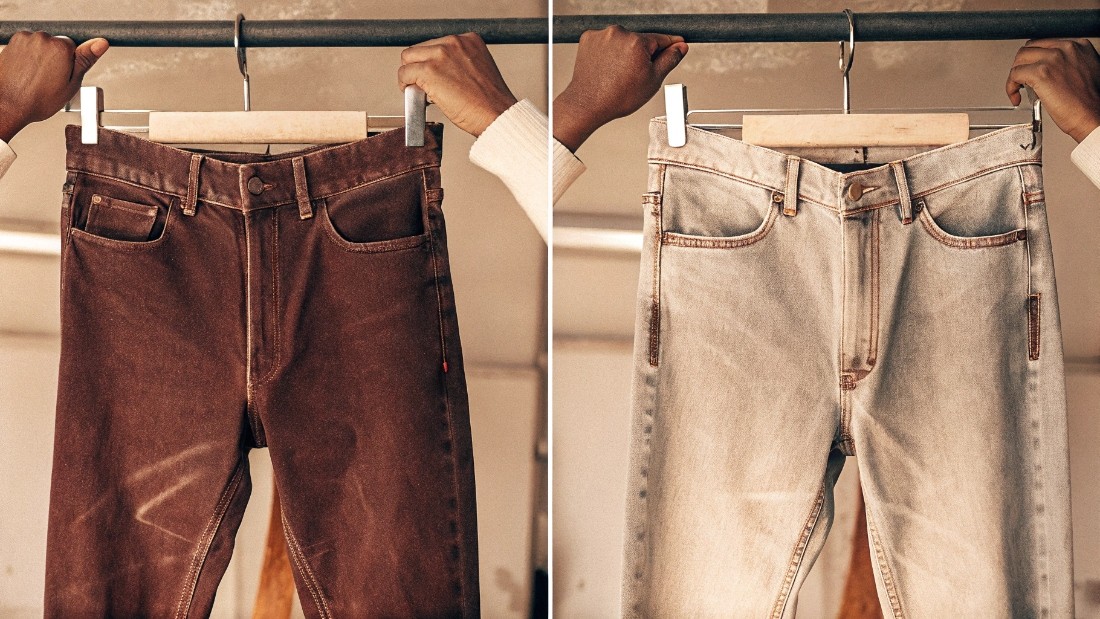
Prevent or remedy baggy jeans by choosing low-stretch or rigid denim, following gentle care routines, and investing in custom fits. For existing bagginess, tailors can taper legs, adjust waistbands, and fix crotch drops. DIY methods like hot water soaks or vinegar treatments can shrink jeans slightly. Ultimately, made-to-measure denim from DiZNEW ensures a precision fit that resists bagging for years.
1. Tailoring and Alteration Techniques
Waist Tapering: Removing up to 2 inches of fabric at the side seams keeps the jean comfortable but snug.
Leg Tapering: Taking in excess at the knee or hem to reduce bagginess, especially for straight or skinny looks.
Rise Adjustment: Shortening the crotch area solves saggy-seat issues—requires skilled pattern manipulation.
2. DIY Shrinkage Methods
Hot Water Soak: Submerge jeans in hot water for 30 minutes, then air-dry. Expect 1–2% shrinkage—best for minor fixes.
Dryer Blast: A quick 10-minute high-heat cycle, followed by immediate removal and air-dry, tightens fibers.
Vinegar & Salt Soak: Add 1 cup white vinegar and ½ cup salt to warm water—soak for 1 hour to set fibers.
3. Preventive Measures
Buy Low-Stretch or Rigid Denim: Limits initial bagginess.
Pre-Wash Strategy: Pre-soak new jeans in cold water to lock in dyes and reduce future distortion.
Rotate Jeans: Avoid wearing the same pair 3+ days in a row—alternate to allow fibers to recover.
4. Custom and Made-to-Measure Denim
DiZNEW’s Custom Service: Provide your detailed measurements; choose fabric weight, stretch content, pocket style, and reinforcements.
Small MOQ (30 pcs): Ideal for designers or boutique owners wanting to test fit samples.
Large Orders (10,000 pcs+): Scalable for high-volume orders—perfect for e-commerce and branded collections.
5. Long-Term Denim Care Plan
Quarterly Reinforcement: Add bartacks or check seam integrity.
Annual Custom Sessions: Adjust patterns as your body or style preferences evolve.
Conclusion and Call to Action
Feeling overwhelmed by baggy jeans? With these expert insights, you now know how fabric, construction, care, and fit all play pivotal roles in keeping your denim looking tailored, not tent-like. If you’re ready to step up your denim game and eliminate bagginess once and for all, partner with DiZNEW.
With over 20 years of experience, our China-based factory specializes in custom denim solutions—from rigid selvedge to stretch styles, small 30-piece MOQ sampling to 10,000-piece bulk runs. Contact us today for a bespoke consultation, send your design sketches or measurements, and let’s create the perfect pair of jeans that stay snug, stylish, and uniquely yours.
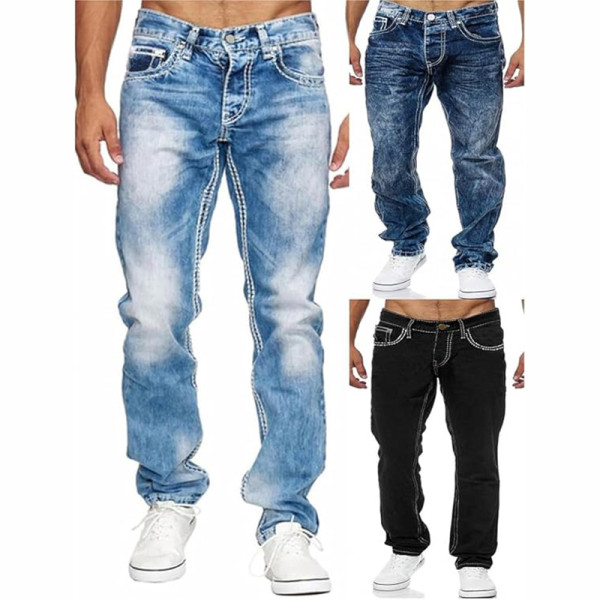
Classic straight jeans with bold contrast stitching in light blue, dark blue, and black — made for standout collections.
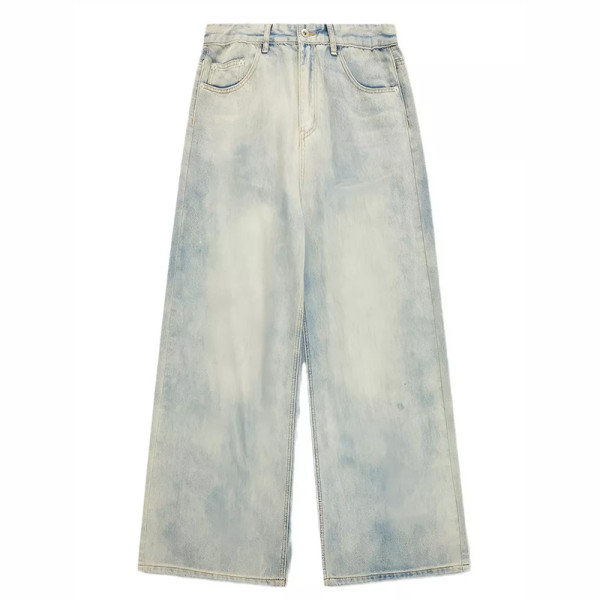
Washed high-rise wide-leg jeans with clean lines and vintage tint — ideal for refined luxury denim collections.
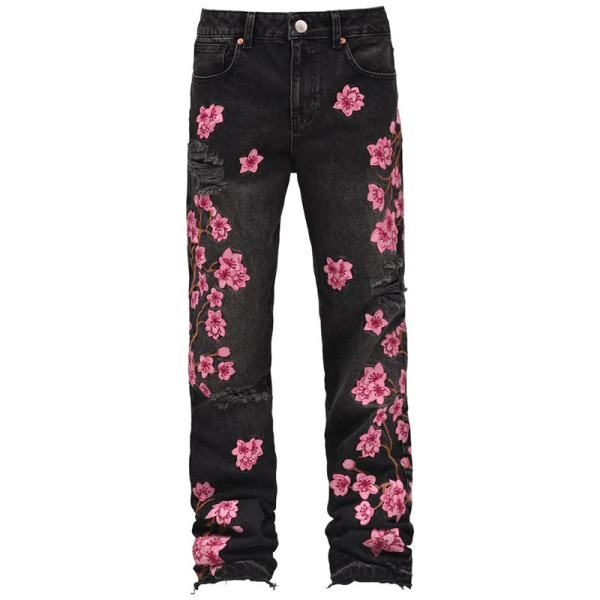
Classic art meets contemporary denim—Romantic oil painting print jeans for the bold and cultured wardrobe.
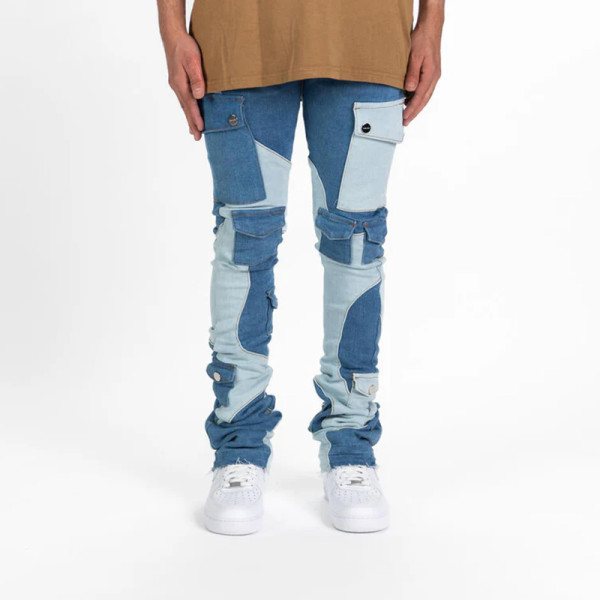
Eye-catching patchwork stacked jeans with contrast panels and utility pockets — bold choice for designer streetwear.