Why Are Branded Jeans So Long in Length? An Expert Guide
- Share
- Issue Time
- Dec 9,2025
Summary
Discover why branded jeans come in longer lengths. Our expert guide explores fit, style, and the reasons behind this popular trend in denim fashion.
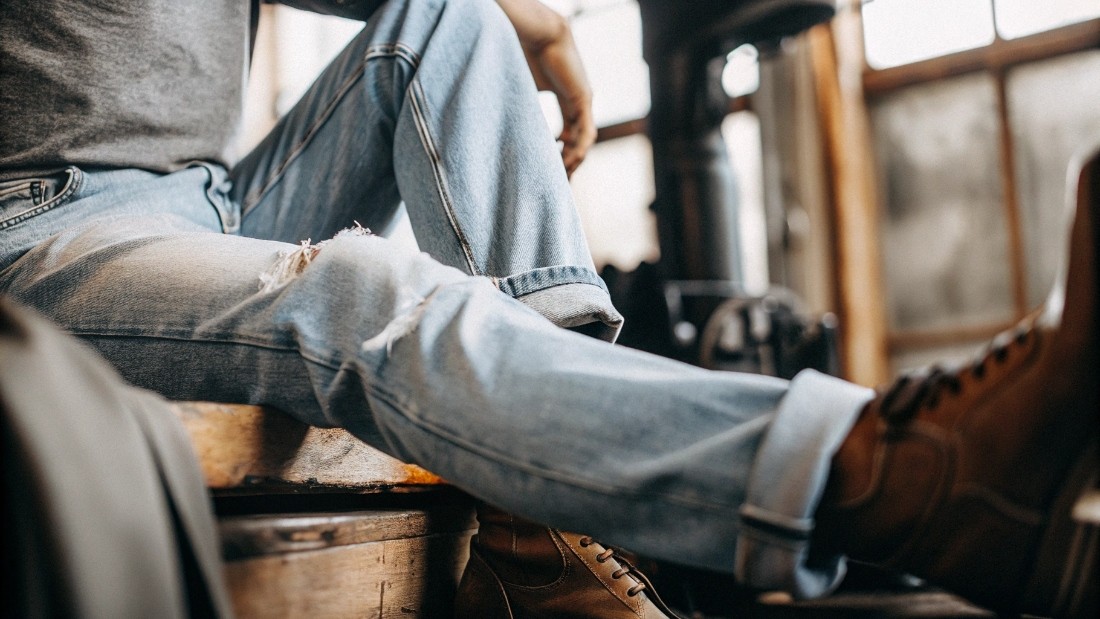
Have you ever tried on a pair of branded jeans only to find the inseam dragging on the ground, cuffs bunched over your shoes, or stacks of fabric pooling around your ankles? You’re not alone. From high-street favorites to luxury designer labels, it seems that most branded denim arrives with generous lengths that demand hemming, cuffing, or a trip to the tailor. But why? Is it a universal sizing standard, a fashion statement, or simply a way for brands to appeal to diverse markets?
In this expert guide, we’ll peel back the layers of branded denim manufacturing to reveal how industry norms, design trends, and global consumer expectations have combined to create jeans that often feel “too long.” Whether you’re a boutique buyer, an online influencer, or a denim designer, you’ll walk away with actionable insights on measurement best practices, customization options, and the secret to nailing that perfect hem break.
Branded jeans are often cut longer to accommodate various styling preferences—cuffing, stacking, or hemming—while aligning with international sizing charts. This extra length allows for gendered cuts, seasonal layering, and raw-edge finishes without jeopardizing fit. Brands also leverage added length to showcase signature details like selvedge cuffs and branded hems.
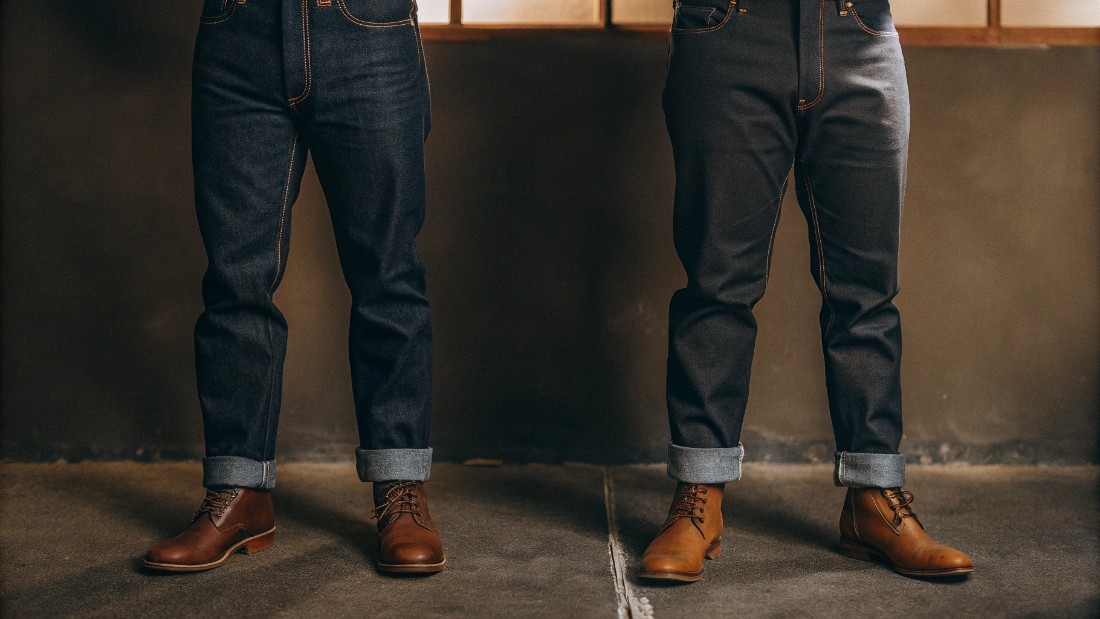
Now, imagine this: a boutique owner in Austin orders 50 pairs of premium selvedge denim only to discover the inseams average 36 inches—twice as long as her customers expect. Frustrated, she nearly cancels the order… Until she calls her factory partner and uncovers the reason behind the “super-long” cut. Stay tuned to hear exactly how that conversation saved her reputation and turned a potential disaster into a bestselling launch.
What Industry Standards Determine the Inseam Length of Branded Jeans?
Jeans lengths are guided by global sizing charts that standardize inseams from 30” to 36” for men and 28” to 34” for women. Brands add extra length to accommodate cuffing, stacking, and hem adjustments across different markets. Designer labels often exceed these standards to highlight premium finishes, ensuring every customer—regardless of height or styling choice—can achieve the intended look.
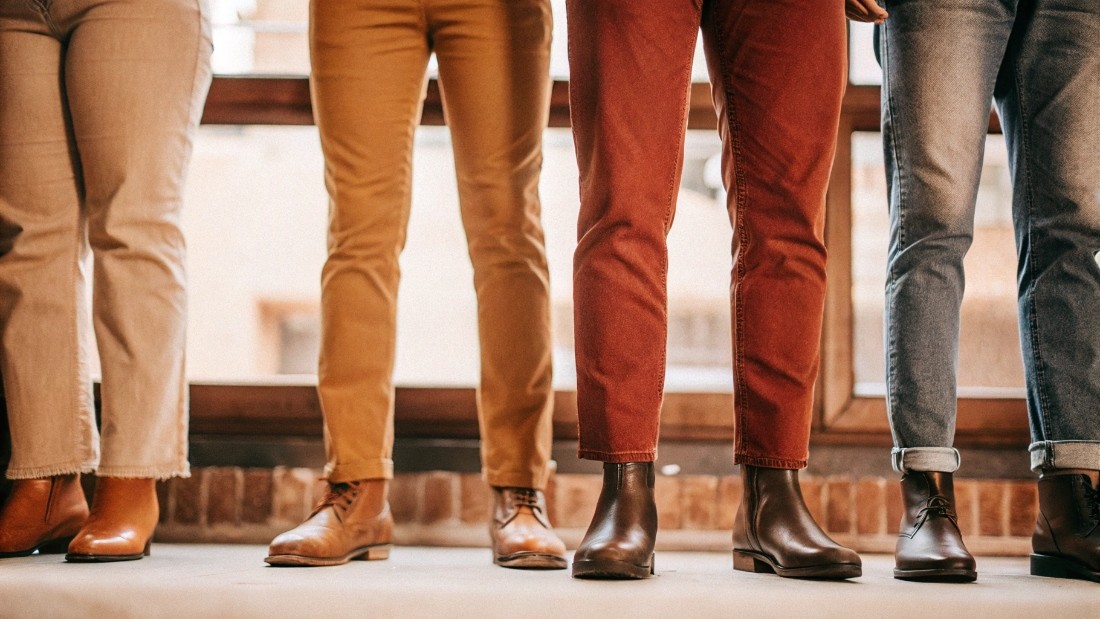
When you glance at a sizing chart on a major brand’s website, you’ll typically see inseam lengths listed in two-inch increments: 30”, 32”, 34”, and occasionally 36”. These figures are not arbitrary; they reflect industry consensus established over decades of mass production and international trade. The rationale is twofold:
1. One-size-fits-many approach: A 32” inseam will fit a broad segment of 5’8”–5’10” shoppers. By offering 30” and 34” as alternatives, brands can cover tall and short consumers without exponentially increasing SKUs.
2. Styling allowance: By adding 1–2” beyond the “ideal fit,” brands give room for hem customization—whether the end user wants a raw edge, a single cuff, or dramatic stacking.
Designer labels push these lengths even further. Why are designer jeans so long? Premium denim often incorporates specialty treatments—sandblasting, hand-whiskering, or selvedge edge exposure—that look best when the cuff is turned up. Brands assume that buyers will either roll the hem or have it tailored, so they deliver an extra 2–4” over standard charts.
This strategy has two benefits: it elevates the perceived value (the longer the cut, the more “raw” material you see at the hem), and it prevents “short” returns when a consumer unknowingly purchases a cut-to-ankle style.
Critical Perspective: However, this one-size approach doesn’t suit everyone. Petite buyers may find themselves paying for excess fabric, while tall shoppers still struggle to find lengths beyond 36”. Sustainable brands have begun experimenting with made-to-order length customizations, challenging the traditional “one-size” paradigm. This shift may force legacy manufacturers to rethink their inventory strategies.
Custom factories like DiZNEW bridge this gap by offering minimum orders as low as 30 pieces for bespoke inseams, ensuring each buyer—from indie designers to mid-sized labels—gets exactly the length they need without waste.
Why Do Premium and Designer Labels Tend to Produce Longer Denim?
Premium and designer brands favor longer denim to showcase unique finishes like selvedge hems, branded taping, and dramatic stacking. Extended lengths support diverse style trends—baggy, low-crotch, and draped fits—while offering tailors room for custom alterations. The extra fabric becomes a canvas for premium branding details.
At first glance, the decision to release “extra-long” jeans may appear purely aesthetic—after all, stacking and cuffing are hot runway looks. But dig deeper, and you’ll find a strategic interplay of branding, production, and consumer psychology:
1. Showcasing Finishes:
Selvedge denim reveals its signature edge only when turned up. A longer hem invites wearers to roll the cuff, displaying that branded interior.
Raw denim fades look more impressive when there’s ample length to create pronounced whiskers, honeycombs, and stacking patterns.
2. Versatility in Styling:
Baggy and draped silhouettes rely on extra fabric to achieve the desired “slouch.” Oversized fits were a staple in ’90s streetwear and have seen a major comeback.
Low-rise jeans need more length to prevent them from becoming “stovepipe” jammers when worn at the hips. Designers account for this by adding 2–4” to standard high-rise inseams.
3. Premium Brand Messaging:
A 36” inseam on a mid-weight, raw Japanese denim signals “couture.” Consumers associate longer cuts with artisanal production and higher quality.
Luxury labels often pair extended lengths with hardware details—branded zippers, hand-stitched back pockets, embossed leather patches—elevating the unboxing experience.
Yet, this focus on length is not without drawbacks. Critics argue that the industry’s obsession with “more fabric” exacerbates waste—discarded selvedge scraps, off-cuts, and tailoring remnants. Moreover, the “universal” long cut can alienate buyers below average height or those who prefer cropped silhouettes.
DiZNEW addresses these concerns by offering an array of inseam options across men’s and women’s styles—from skinny to baggy, jogger to straight—and accepting low minimum order quantities. Whether you need a 28” inseam for a petite line or a whopping 38” for an avant-garde collection, the factory’s flexible production lines can deliver.
How Does Jean Length Affect Fit, Style, and Customer Perception?
Jean length directly influences silhouette, proportion, and perceived value. A longer inseam enables hem breaks—no-break, slight-break, or stacked—which change how legs look in photographs and in real life. Globally, jeans remain popular due to their adaptability to different body types and cultural trends.
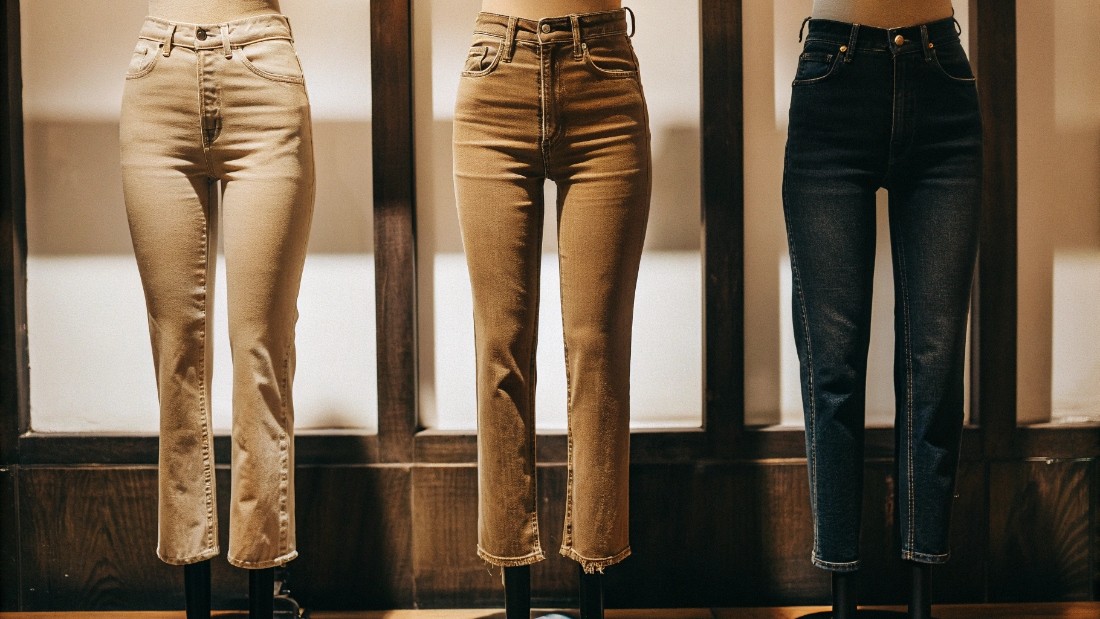
Fit is king in denim. A single inch difference in inseam can transform a flattering silhouette into an awkward ankle glance. Understanding how length interacts with rise and leg shape is crucial for designers and buyers alike:
1. Silhouette and Proportion:
Skinny Jeans: Too long, and skinny cuts bunch unflatteringly at the ankles; too short, and they look more like leggings.
Straight Legs: A classic 30”–32” inseam with a slight break creates a timeless aesthetic.
Baggy/Relaxed: These styles lean on stacking—up to 6” of pooled denim—to emphasize volume.
2. Visual Perception:
No-Break vs. Slight-Break vs. Stacked: The “break” refers to how the hem interacts with shoes. No-break (hem sits above shoe vamp) elongates the leg; slight-break (gentle fold) is balanced; stacked (multiple folds) feels more casual and streetwise.
Photographic Impact: Longer lengths photograph differently under studio lights, creating shadows and highlighting whiskers. Social media influencers often request extra length for “down-draped” shots.
3. Global Popularity Drivers:
Why have jeans remained popular for so long? Their unmatched durability, ease of care, and cultural symbolism—from cowboy to counterculture.
Why are jeans popular all over the world? A universal canvas that adapts to regional styling—faded and distressed for LA, slim and dark-wash for Tokyo business casual.
From a critical standpoint, this universal appeal also raises questions about cultural appropriation—are we homogenizing fashion by exporting a single style worldwide? Some designers counter this by mixing denim with local textiles, offering region-specific washes, or adjusting inseam standards to reflect average heights in local markets.
DiZNEW’s global clientele—from U.S. indie retailers to European high-end boutiques—benefits from the factory’s nuanced understanding of these regional variations. By offering tailored consultation on inseam, rise, and wash, they help brands resonate authentically in every market.
What Customization Options Exist for Achieving the Perfect Jean Length?
Bespoke inseams are available via OEM/ODM services, with minimum orders as low as 30 pieces and full runs up to 10,000. Brands can select precise lengths, hem finishes (raw edge, blind stitch, chainstitch), and hardware placements. Adjustable hems, detachable cuffs, and ladder-lock systems provide further flexibility.
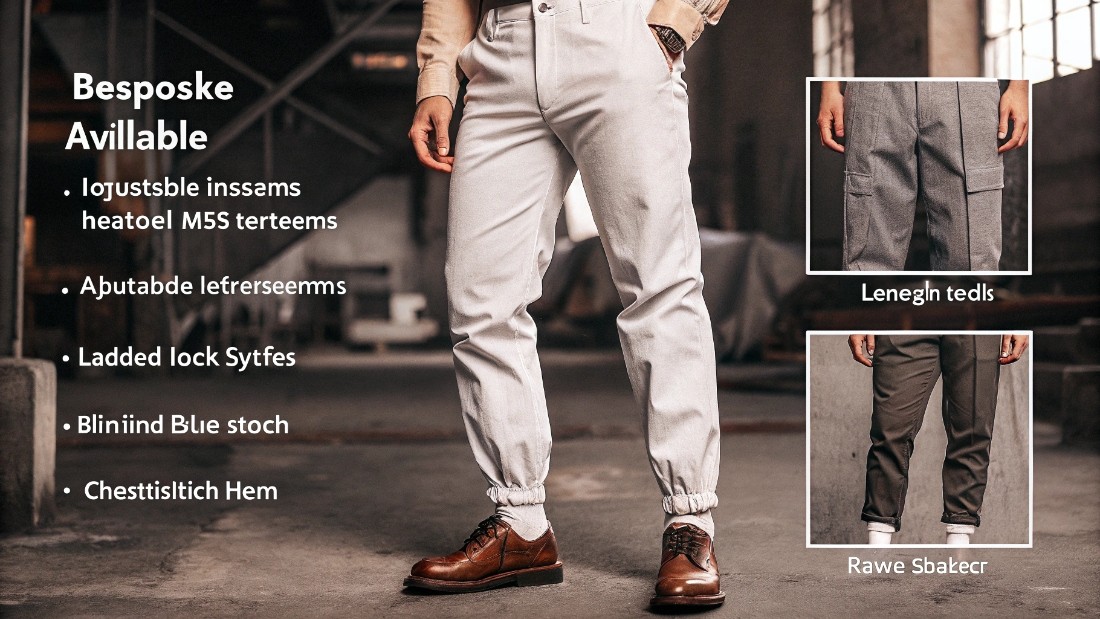
Mass-market sizing charts can only take you so far. For brands and designers who demand precision, customization is the answer:
1. OEM & ODM Services:
Minimum Order Quantities (MOQs):
Sample Runs: 30–100 pieces—ideal for market testing and influencer gifting.
Bulk Production: 1,000–10,000 pieces—scalable for established retailers.
Turnaround Times:
Samples: 2–4 weeks.
Full Production: 30–45 days, depending on wash complexity and embellishment.
2. Hem Finish Options:
Raw Edge: No fold, the raw selvage unravels slightly over time.
Blind Stitch: Hidden stitches for a clean, tailored look.
Chainstitch: Retro styling with authentic “roar” on the sewing machine.
3. Innovative Length Solutions:
Adjustable Hems: Hidden drawcords or snaps allow on-the-fly length changes.
Detachable Cuffs: Ideal for convertible styles—full-length pant by day, cropped look by night.
Ladder-Lock Systems: Micro buckles inside the hem for precise cinching.
4. Hardware and Branding Details:
Logoed Hem Tape: Custom grosgrain woven into the seam.
Engraved Buttons and Rivets: Further differentiates premium collections.
Leather Patches: Position and size can be tailored to match inseam length, ensuring visual balance.
Critically, bespoke customization addresses waste and sustainability concerns. Rather than overproducing standard lengths and discarding scrap fabric during alterations, brands can order exact inseams. This lean manufacturing model aligns with circular fashion principles and appeals to eco-conscious consumers.
DiZNEW excels in this space, providing digital pattern-making, virtual samples, and a robust network of wash houses. Their clients—small labels and global brands alike—appreciate the seamless process from tech pack to final fit. Customizable inseam lengths are just one facet; DiZNEW offers end-to-end solutions for trims, washes, and packaging, making it a one-stop shop for denim production.
How Can Buyers and Designers Ensure the Right Length When Ordering Overseas?
Accurate inseam outcomes depend on detailed tech packs, precise measurement guides, and pre-production approvals. Buyers should specify break style, attach sample photos, and schedule virtual fittings. Quality checks at every stage—fabric roll, cutting, sewing—prevent costly errors.
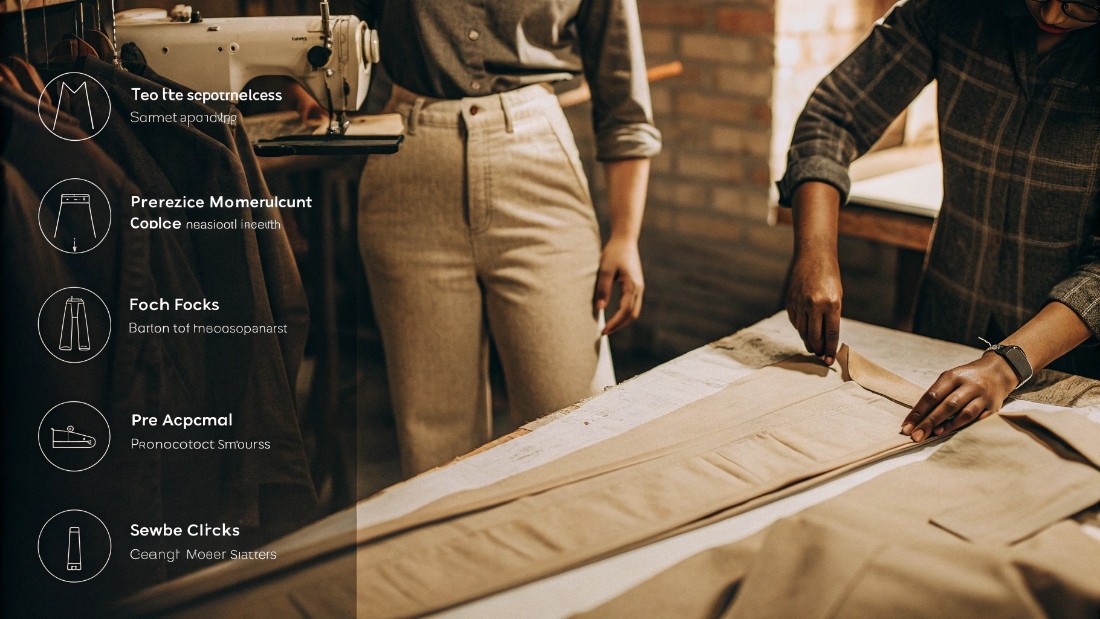
Navigating an overseas denim order can be daunting, especially when distance obscures fit nuances. Here’s a step-by-step blueprint:
1. Develop a Comprehensive Tech Pack:
Include flat sketches with annotated inseams, rise, and leg opening.
• Attach reference photos that show desired break style (no-break, slight-break, stacked).
• Specify hem finish, thread color, stitch density (stitches per inch).
2. Measurement Guides and Size Samples:
Ask your factory for a “golden sample”—a fully constructed pair that sets the benchmark.
Compare the golden sample measurements against physical fits on models across height ranges.
Adjust tech pack dimensions if any discrepancies arise.
3. Virtual and In-Person Fit Sessions:
Use video calls to evaluate drape, stacking, and hem behavior in real time.
• If feasible, send physical fit samples to your headquarters or showroom for team review.
4. Quality-Assurance Checks:
Fabric Inspection: Check for shade variation, stretch recovery, and shrinkage rates.
In-Process Audits: Supervisors verify cutting accuracy and stitch quality at pre-set bundle counts.
Final Audit: Random sampling of finished goods to measure inseam accuracy within ±0.5cm.
5. Shipping and Post-Production:
Include care labels that recommend proper hemming techniques or professional tailoring if desired.
Offer return-for-hem services to end customers—an innovative value-add that differentiates your brand.
From a critical perspective, some buyers still experience frustration when factories apply “standard allowances” without explicit direction. This underscores the importance of clear, visual communication and a trusted manufacturing partner. DiZNEW mitigates these risks through dedicated account managers, transparent production tracking, and live Q&A sessions with their in-house design and fit specialists.
Conclusion and Call to Action
Jeans length may seem like a minor detail, but in the world of branded denim, it’s a strategic tool for fit, fashion, and brand storytelling. From industry standards that dictate base inseams to designer-driven extensions that highlight selvedge hems and dramatic stacking, every extra inch serves a purpose. By understanding these dynamics—along with the customization and quality-assurance processes—you can confidently order jeans that fit your brand vision and your customers’ needs.
Ready to craft jeans with the perfect length and premium finishes? DiZNEW is your trusted partner for fully bespoke denim production. With over 20 years of experience, low minimum orders, and end-to-end OEM/ODM services, we ensure your next denim line arrives on time, on budget, and exactly as styled. Contact us today to request a quote and start your customization journey. Let’s turn that blueprint into a best-selling collection.
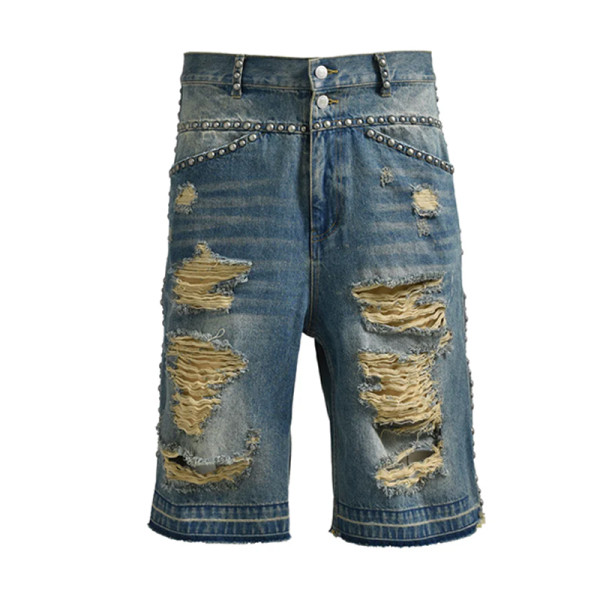
Heavy-distressed custom denim shorts with edgy rips, frayed layers, and metal studs for premium streetwear lines.
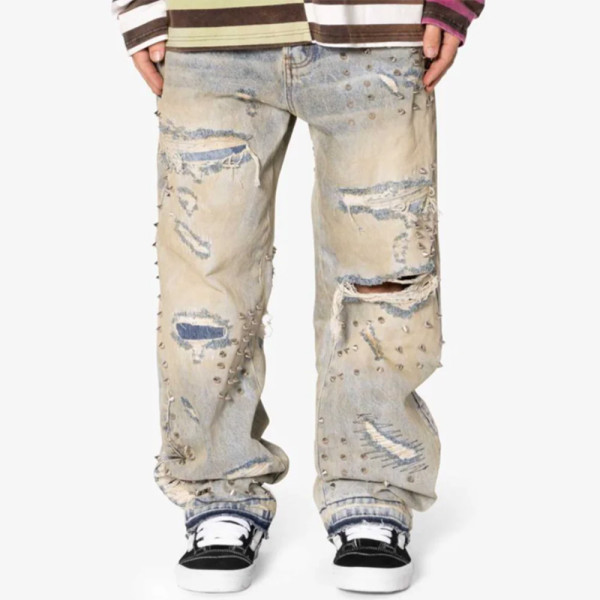
Extreme distressed baggy jeans with stud details—perfect for bold boutique lines & edgy designer labels.
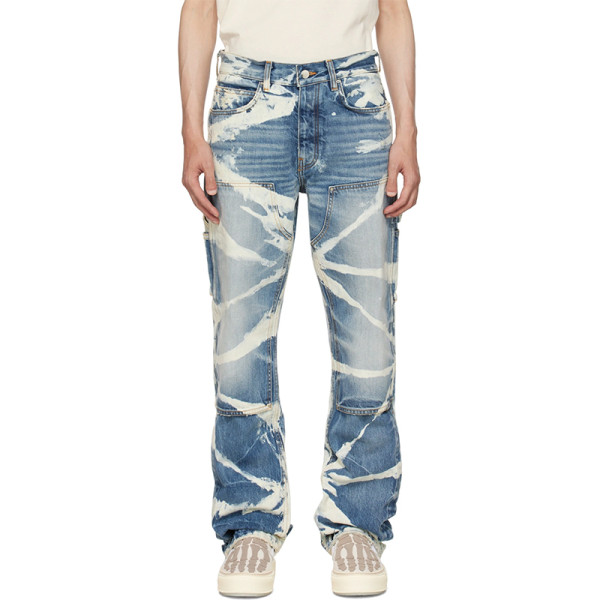
Striking bleached tie-dye jeans made for custom orders, ideal for upscale streetwear and boutique designers.
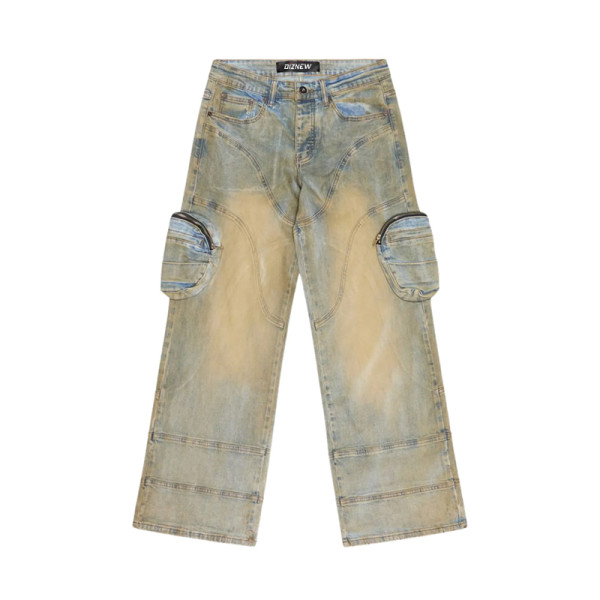
Wide-leg light-wash denim with 3D curved seams and side zip pockets—vintage meets futuristic utility.