What Makes Japanese Raw Denim So Special?
- Share
- Issue Time
- Dec 30,2025
Summary
Explore what sets Japanese raw denim apart, including its rich history, superior materials, and artisanal techniques that create unmatched quality and style.
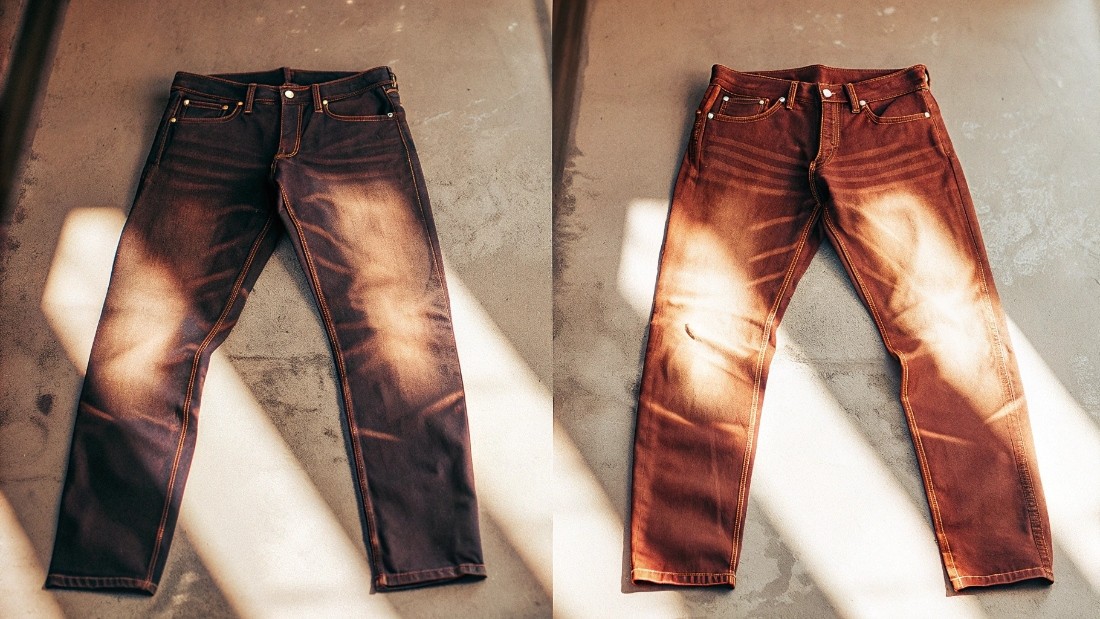
You see "Japanese denim" used as a benchmark for quality, but the term is often misused. This can confuse your clients and makes it hard to justify the premium price point to them.
Japanese raw denim is special because it's a product of obsession, combining vintage shuttle-loom weaving, superior long-staple cotton, and artisanal dyeing techniques to create a fabric with unparalleled texture and aging potential.
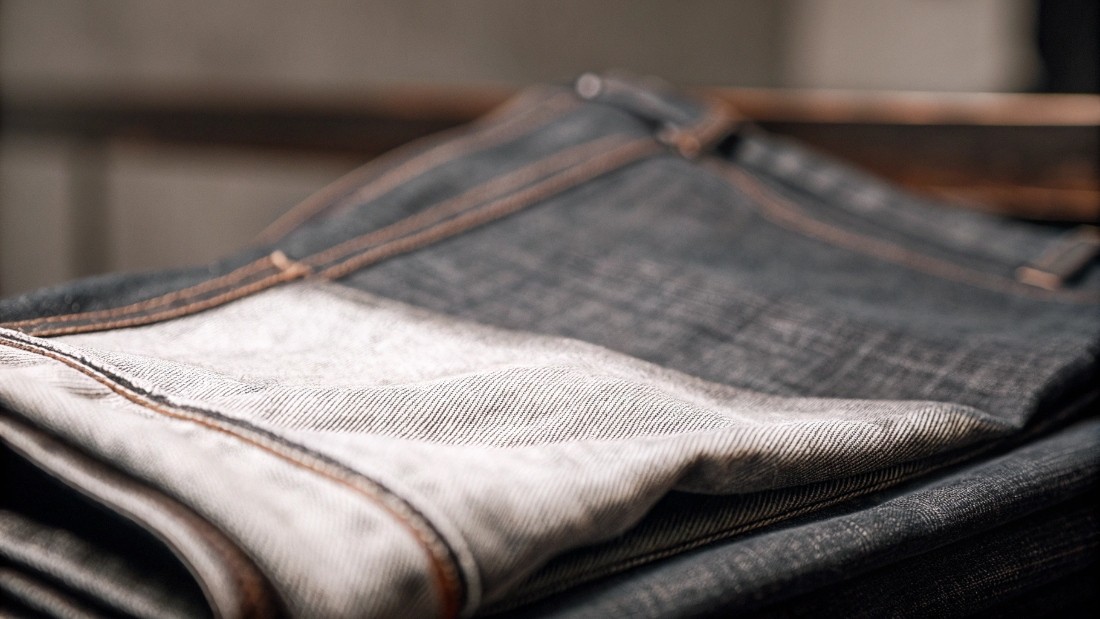
Dean, your insights touch upon all the key pillars of what makes this fabric legendary. For over 20 years, I've watched brands try to capture the magic of Japanese denim. Many think it's just about using selvedge, but that's only the beginning of the story.
The true difference is a cultural approach to manufacturing that we can all learn from. It’s a philosophy built on honoring tradition while relentlessly pursuing perfection. Let's break down the tangible elements that elevate this fabric from a simple commodity to a work of art.
Why Is Japanese Raw Denim So Good?
You know it's "good," but your clients need more than that. They need to understand the specific, tangible qualities that make it superior to other fabrics on the market.
Japanese raw denim is good because it masterfully combines three elements: the irregular, character-rich texture from vintage shuttle looms, the strength of premium cotton, and the deep, unique color from artisanal indigo dyeing.
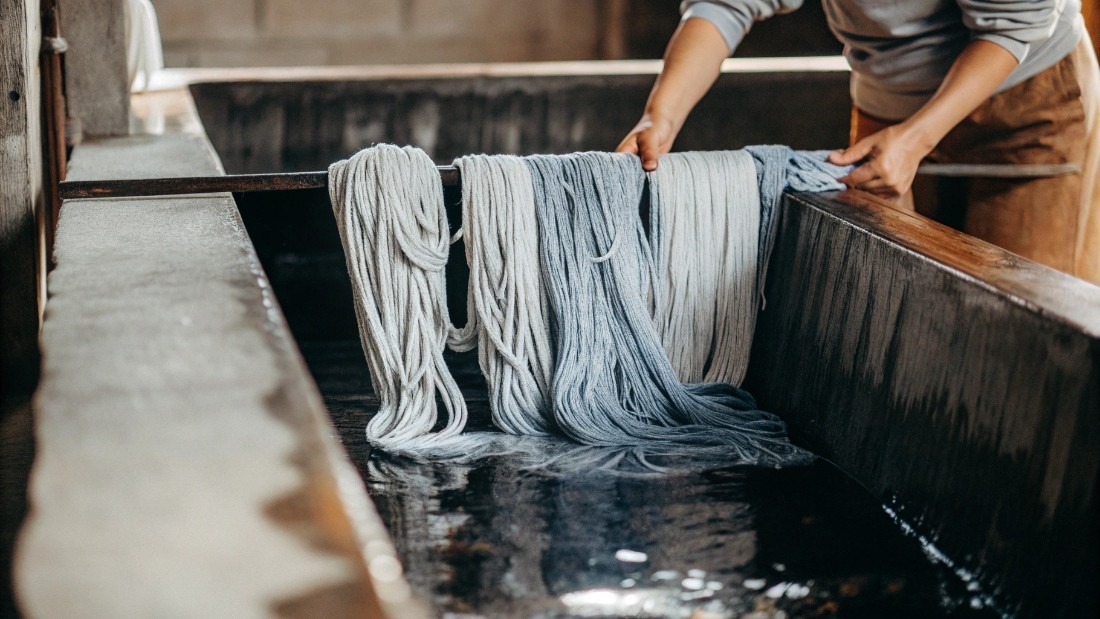
In my factory, we strive for consistency and efficiency. The Japanese approach is different; it embraces and perfects inconsistency. This is what makes their fabric so good.
First, Craftsmanship & Shuttle Looms. Their weavers are true artisans, or takumi. They operate old, slow shuttle looms that create a less uniform, "slubby" texture. This isn't a defect; it's a feature that gives the denim a unique, organic feel that modern high-speed looms simply cannot replicate.
First, Craftsmanship & Shuttle Looms. Their weavers are true artisans, or takumi. They operate old, slow shuttle looms that create a less uniform, "slubby" texture. This isn't a defect; it's a feature that gives the denim a unique, organic feel that modern high-speed looms simply cannot replicate.The fabric is woven more slowly and with less tension, resulting in a denser material that is both incredibly durable and surprisingly comfortable once broken in.
Second, Premium Materials. Japanese mills often use the highest-grade, long-staple cottons, like Zimbabwe cotton. These long fibers create a yarn that is both exceptionally strong and soft. This means the resulting jeans are tougher but also feel better against the skin and are less prone to blowouts. It’s a superior foundation for a superior garment.
Why Is Japanese Raw Denim So Expensive?
The sticker shock is real. You need to be able to break down the cost for your clients, explaining why the investment is justified and not just marketing hype.
It's expensive due to the economics of scarcity. Slow production on vintage looms, costly premium materials like long-staple cotton, and the high price of skilled, intensive labor make it a luxury item by nature.
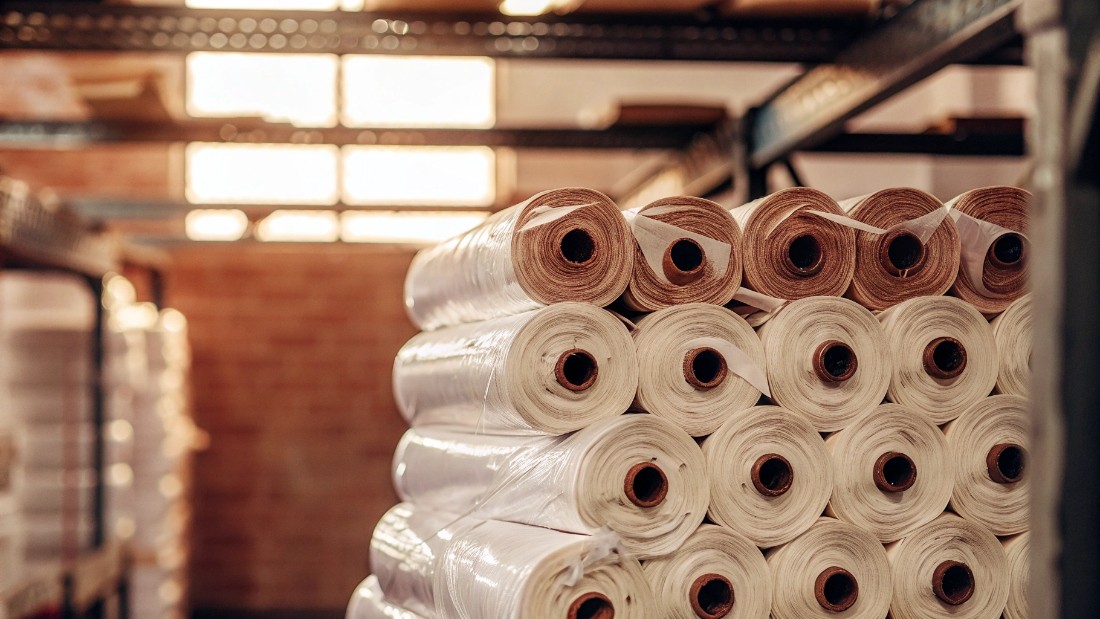
The price is a direct reflection of a process that prioritizes quality over quantity. Your insight about limited production is spot-on. A vintage shuttle loom in Japan might weave only 100 meters of denim in a full day. A modern projectile loom in my factory can produce thousands. This scarcity alone drives up the price.
Then, add the material costs. Long-staple cotton and natural indigo are significantly more expensive than their commodity counterparts. Finally, there's the human element. It takes years to become a master weaver who can operate and maintain these old looms. This skilled labor is a premium expense. When you combine these factors, the high price is not just understandable; it's inevitable. It's the cost of creating a masterpiece.
Cost Breakdown: Japanese Selvedge vs. Commodity Denim
| Cost Factor | Japanese Selvedge | Commodity Denim |
Production Speed | Extremely Slow (Low Yield) | Extremely Fast (High Yield) |
| Raw Materials | Premium (Long-staple cotton, natural indigo) | Standard (Short-staple cotton, synthetic indigo) |
| Labor | High-Skill, Intensive | Automated, Low-Skill |
| Machinery | Vintage, High-Maintenance | Modern, Efficient |
What's So Special About Raw Denim in General?
Your customer sees a stiff, dark, "raw" jean and compares it to a soft, pre-washed pair. You need to explain the magic they are missing out on with the raw version.
Raw denim is special because it's a blank canvas. Untreated and unwashed, it molds to your body and fades over time, creating a wear pattern that is 100% unique to you and your life.
This is where the romance of denim truly lies, Dean. When a pair of jeans leaves my factory with a heavy wash, its story has already been written by my team. We've created the fades, the whiskers, the distressing. But raw denim has no story yet. It's stiff because all the indigo dye and sizing from the milling process is still locked into the cotton fibers.
As the owner wears the jeans, the friction from their daily movements—sitting, walking, putting a phone in a pocket—gradually wears away the indigo. The fades that appear are a direct map of their life. That's why raw denim enthusiasts are so passionate. They aren't just buying a pair of pants; they are starting a project. They are creating a garment that is uniquely theirs, something that no amount of factory washing can ever truly replicate.
How Does Japanese Denim Compare to Other Denim?
You have access to fabrics from Italy, the USA, and Turkey. You need to know where Japanese denim fits in this global landscape to make the best choice for your designs.
Japanese denim is celebrated for its artisanal, heritage-focused approach, excelling in texture and authentic aging. American denim is known for its rugged durability, while Italian denim often leads in fashion-forward innovation and stretch blends.
Having worked with fabrics from all over the world, I see distinct personalities in each. Think of it like this:
Japanese Denim: This is the artist. It's all about nuance, texture, and the beauty of imperfection. They are masters of recreating vintage character and have an obsessive focus on details, from the slub of the weave to the core color of the indigo yarn.
American Denim: This is the workhorse. Rooted in brands like Levi's and Lee, its history is about pure function and durability. Cone Mills White Oak (when it was running) was legendary for its strong, consistent, and rugged fabrics built for a hard day's work.
Italian Denim: This is the innovator. Italian mills are masters of fashion. They excel in creating new blends with stretch, unique coatings, and bold, fashion-forward wash treatments. They are less focused on heritage and more on what's next.
Each has its place, but for the purist seeking the ultimate in raw denim character, Japan remains the undisputed leader.
Conclusion
Japanese raw denim is special because it embodies a philosophy of perfection. From the artisanal weaving to the premium materials, every detail is considered, creating a fabric that is truly a wearable work of art.
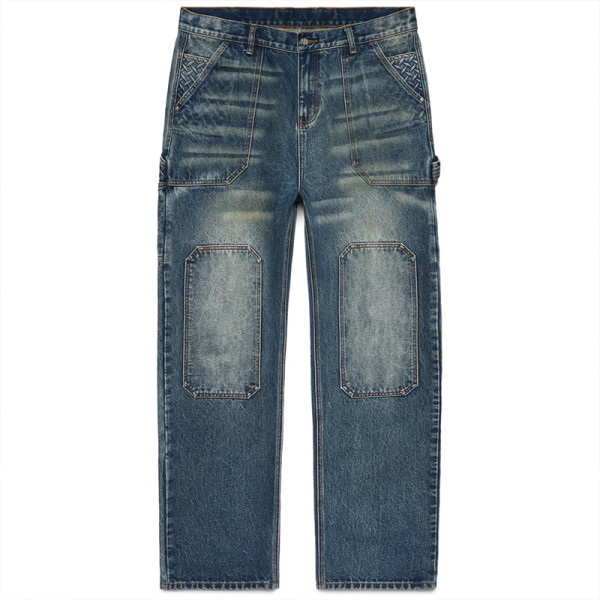
Utility carpenter jeans with embossed woven pockets, reinforced knee patches, side tool loop, and a relaxed straight fit.
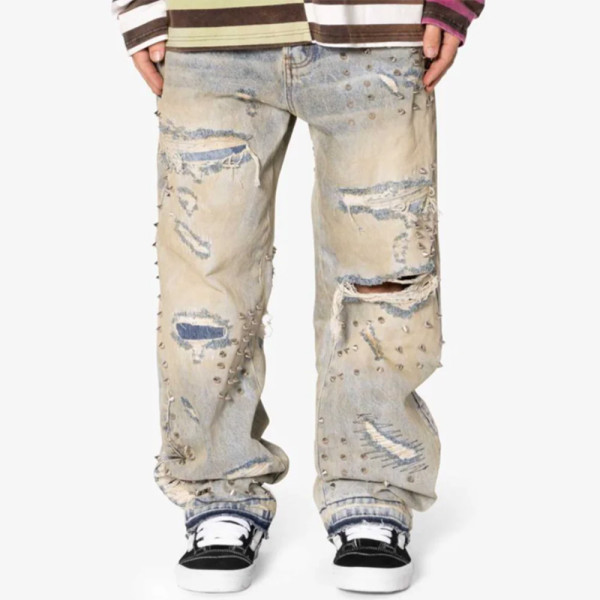
Extreme distressed baggy jeans with stud details—perfect for bold boutique lines & edgy designer labels.
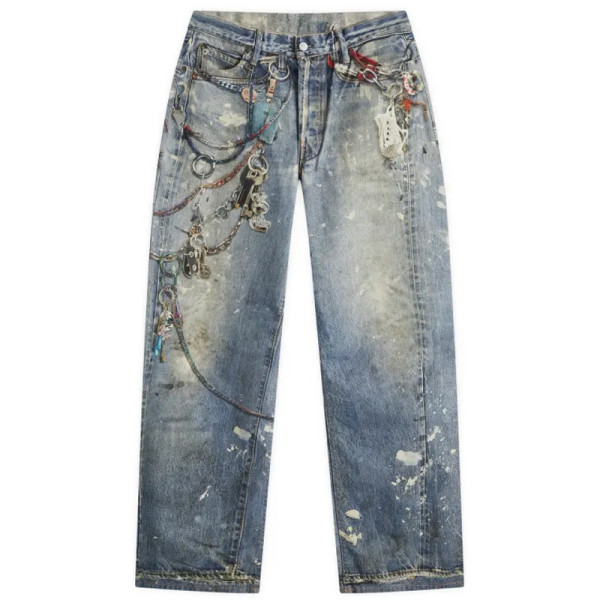
Loaded with chains and chaos—these jeans bring punk rebellion with dirty wash and full metal drip.
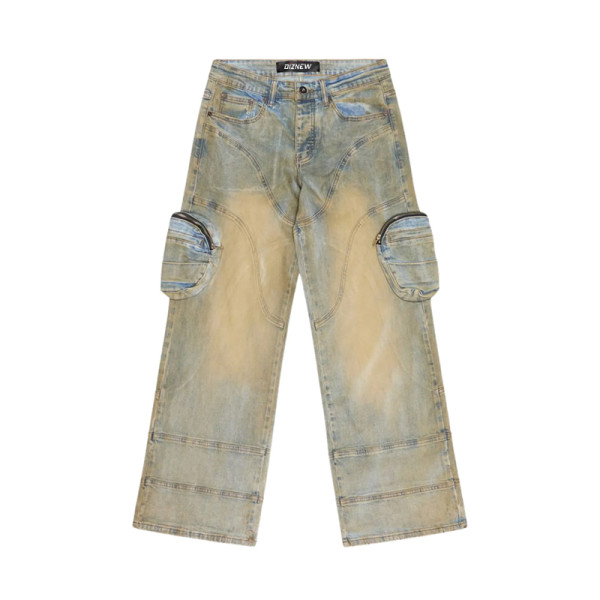
Wide-leg light-wash denim with 3D curved seams and side zip pockets—vintage meets futuristic utility.