What Is the True Definition of Selvedge Denim?
- Share
- Issue Time
- Dec 29,2025
Summary
Discover the world of selvedge denim! Learn what makes this fabric unique, its history, and why it's a favorite among denim enthusiasts.
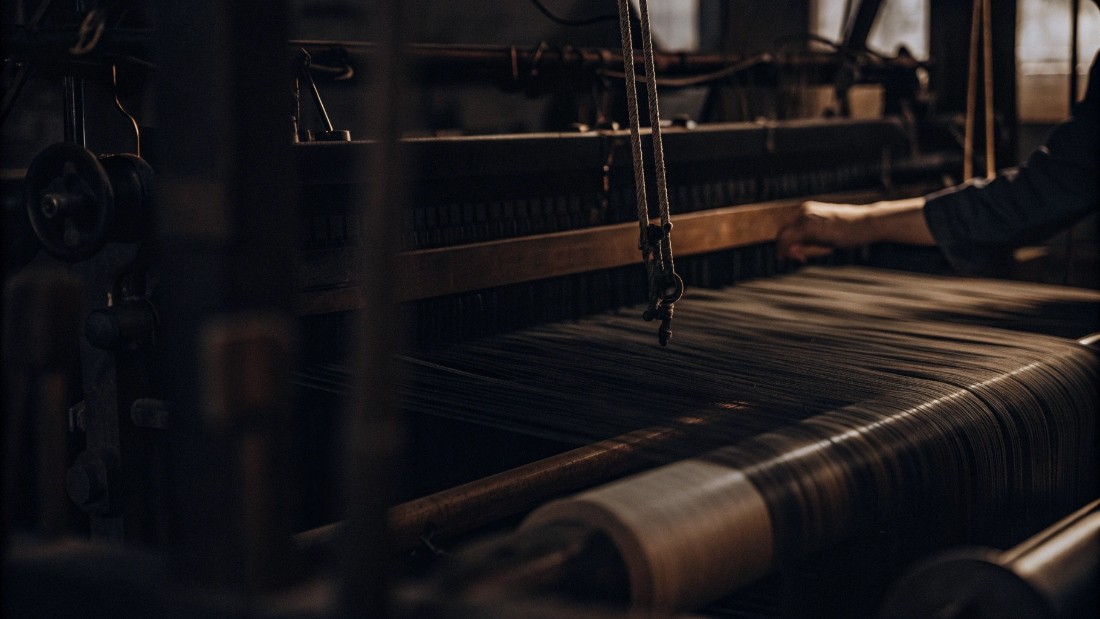
You hear the term "selvedge" used as a synonym for "premium," but the real meaning is often lost. This creates confusion for your clients and can dilute your brand's message of quality.
Selvedge isn't just about the iconic colored edge; it refers to denim woven on a vintage shuttle loom, creating a denser, more durable fabric with a clean, self-finished edge that won't unravel.
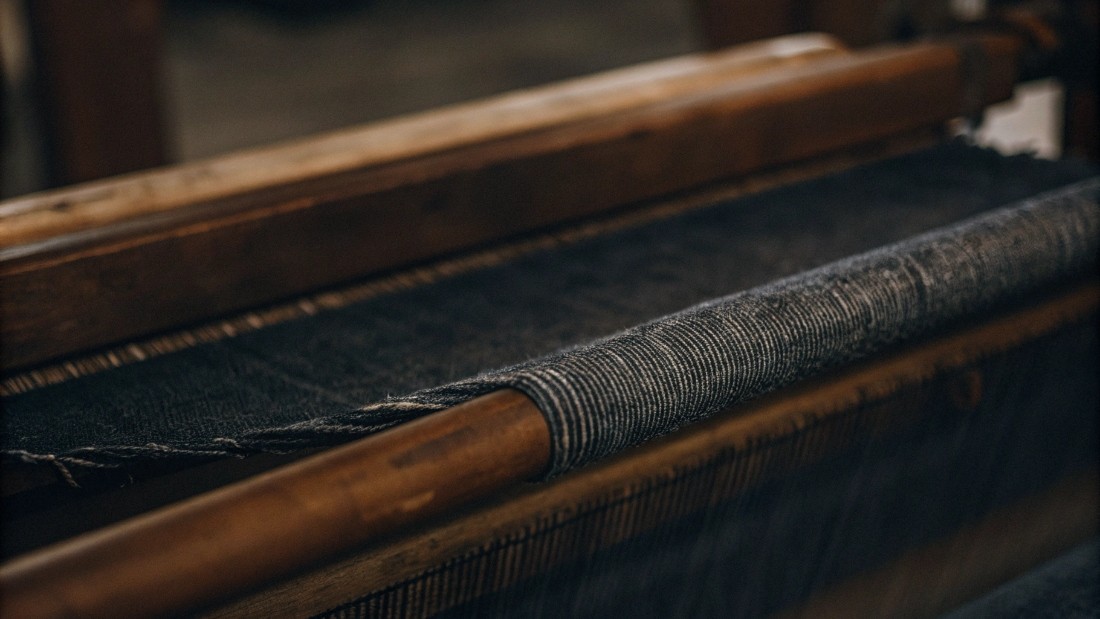
Dean, your instincts are pointing to a crucial distinction in our world. You're right that the conversation goes much deeper than just the "red ear." On my factory floor, the difference between selvedge and non-selvedge isn't a stylistic choice; it's a fundamental difference in manufacturing philosophy.
It's about choosing a slow, traditional, and character-rich process over a fast, efficient, and uniform one. Understanding this difference is the key to explaining the true value of a premium jean to your clients.
Why Are Selvedge Jeans So Expensive?
Your clients see a selvedge jean that looks similar to a regular one but costs three times as much. You need to explain precisely where that extra cost comes from.
The high cost of selvedge is due to the vintage machinery, skilled labor, and slow production time. Shuttle looms are slow, inefficient, and require constant supervision, making the resulting fabric a rare, high-quality commodity.
This is a question I answer for brands every day. The price isn't arbitrary; it's a direct reflection of the manufacturing process. As your insights point out, the old shuttle looms are slow. This isn't a flaw; it's a feature. This slow pace allows us to use 100% cotton yarns without them breaking. Modern projectile looms are incredibly fast, but that speed creates immense tension, often requiring mills to blend cotton with polyester or other synthetics just to make the yarn strong enough to withstand the process.
This is why most selvedge is 100% cotton, while non-selvedge can have much lower cotton content. Furthermore, these old machines are temperamental. They need a skilled operator watching them constantly to prevent errors. This slow speed and high labor cost mean we can only produce a small amount of fabric each day. It’s the simple economics of rarity: slow, labor-intensive production of a dense, durable, superior fabric costs more.
Shuttle Loom vs. Projectile Loom: A Quick Guide
| Feature | Vintage Shuttle Loom (Selvedge) | Modern Projectile Loom (Non-Selvedge) |
| Speed | Very Slow | Extremely Fast |
Yarn Type | Can use 100% cotton yarns | Often requires synthetic blends for strength |
Fabric Density | Higher, tighter weave | Lower, less dense weave |
| Labor | Needs constant skilled supervision | Highly automated |
Output | Low daily yardage | High daily yardage |
| Result | Dense, durable,
| Uniform, efficient, mass-market fabric |
Are Levi's Selvedge Denim?
Levi's is the most famous denim brand in the world, so customers naturally assume all their jeans are made a certain way, creating confusion about what is and isn't selvedge.
Only a small, premium portion of Levi's jeans are selvedge today, primarily in their Levi's Vintage Clothing (LVC) line. The vast majority of their standard products are made from non-selvedge denim.
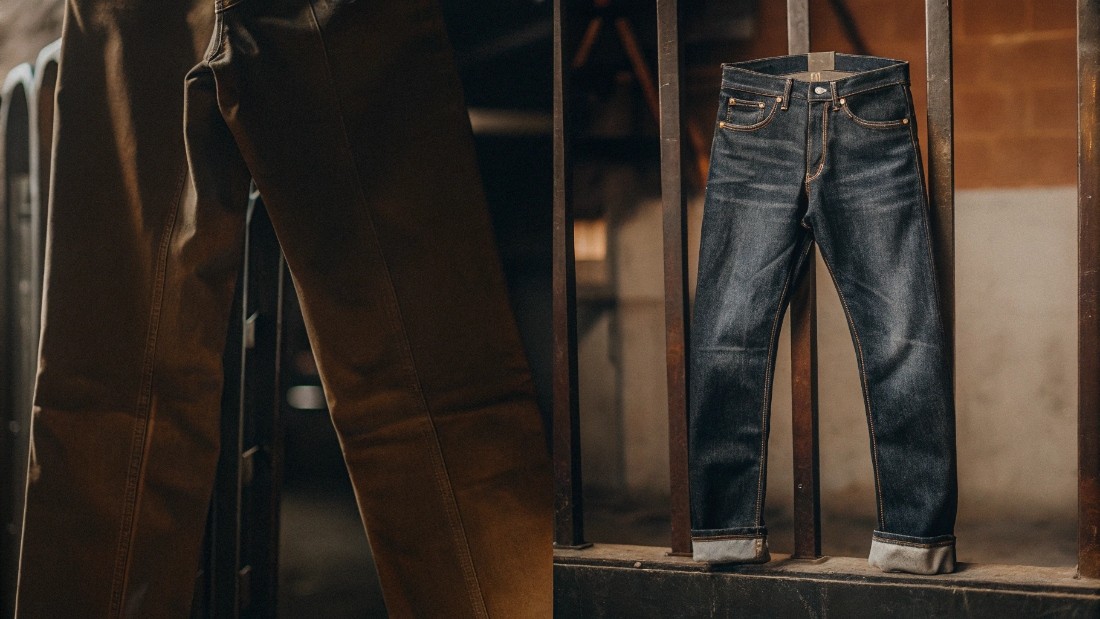
This is a great history lesson in denim production. For the first hundred years of their existence, all Levi's were selvedge jeans. That's because the shuttle loom was the only technology that existed. They sourced all their fabric from the legendary Cone Mills White Oak plant in North Carolina.
However, in the late 1970s and early 1980s, to compete with cheaper brands and increase output, Levi's and most other major manufacturers switched to the more economical, faster, and wider projectile looms. This was a business decision that changed the entire industry.
Today, Levi's keeps the selvedge tradition alive in its high-end collections like LVC. These collections are a tribute to their own history, recreating classic fits using selvedge fabric. So, while the brand's soul is rooted in selvedge, its modern business is built on non-selvedge denim.
What's the Difference Between Denim and Selvedge Denim?
All selvedge is denim, but not all denim is selvedge. The difference lies in the edge of the fabric. Selvedge is woven on a narrow loom that creates a clean edge; regular denim is woven wide and cut, leaving an edge that must be stitched to prevent fraying.
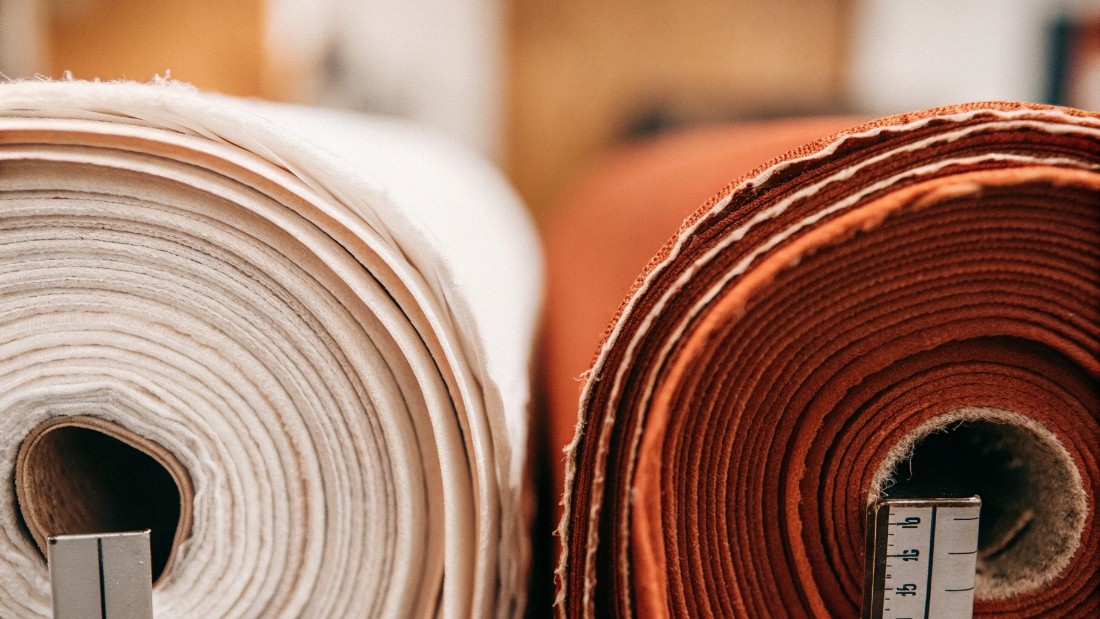
Let's break this down to the core material. Imagine we are weaving a roll of fabric. The old shuttle loom weaves a narrow bolt of cloth, about 31 inches wide. As the shuttle passes back and forth, it loops the weft thread around the edge, creating a clean, tightly bound "self-edge." That's selvedge.
Now, imagine a modern projectile loom. It weaves a massive bolt of fabric, over 60 inches wide, at high speed. To make jeans from this, we have to cut the pattern pieces out of the middle of this large sheet. The edges of those pieces are raw and will immediately fray. To finish them, we have to use an overlock machine to stitch them up, which is what you see inside 99% of jeans.
So, the difference isn't just a style detail; it's a direct result of two completely different manufacturing methods. One creates a finished product off the loom; the other creates a raw material that needs to be cut and sewn.
How Can You Tell if Jeans Are Selvedge?
Your customer is in a store, looking at a pair of expensive jeans. They need a quick, foolproof way to verify if they are looking at genuine selvedge denim.
The easiest way to tell is to flip the cuff of the jean's outer leg seam. If you see a clean, tightly woven edge, often with a colored line of thread (usually red or white), it is selvedge denim.
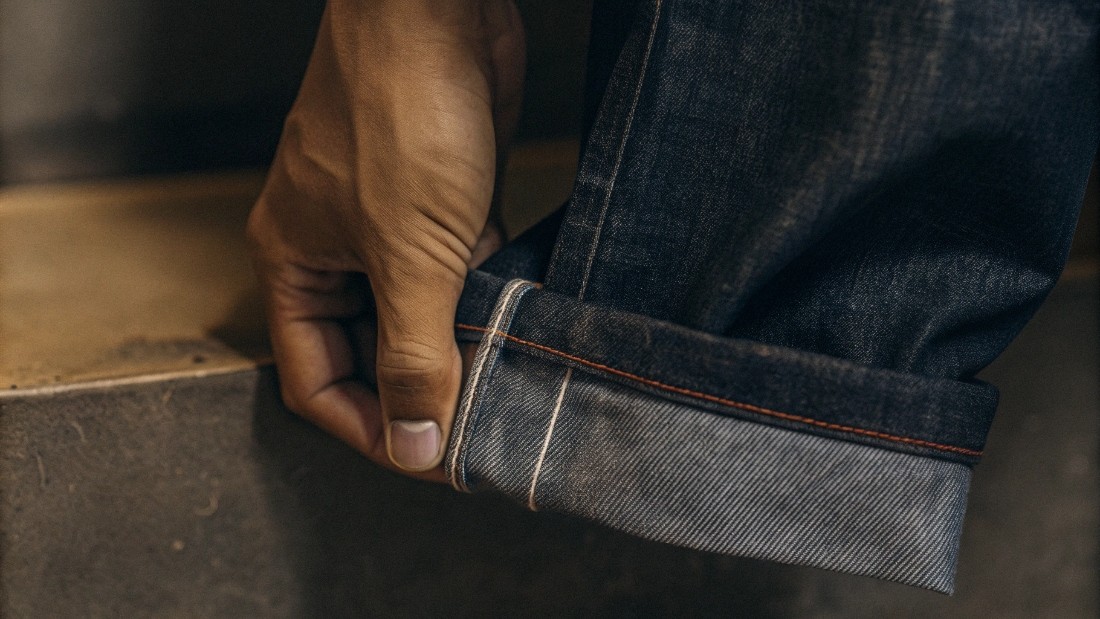
This is the classic trick, and it's 100% reliable. The entire reason designers feature that little line of colored thread is to show off the fact that they used selvedge fabric. That clean edge is the signature of the shuttle loom. When you look inside a non-selvedge jean, you'll see a messy-looking seam with a lot of heavy stitching.
That's the overlock stitch I mentioned earlier, which is purely functional and designed to stop the raw, cut edge from falling apart. So, the test is simple: look at the outseam. If the edge is clean and finished, often with a colored "ID" thread, it's selvedge.
If it's a bulky seam with overcast stitching, it's non-selvedge. It’s the most honest and visible indicator of how that fabric was born and how the jean was constructed.
Conclusion
Selvedge denim represents a commitment to quality over quantity. It's defined by the vintage shuttle-loom process, creating a durable, character-rich fabric that distinguishes a truly premium jean in a crowded market.
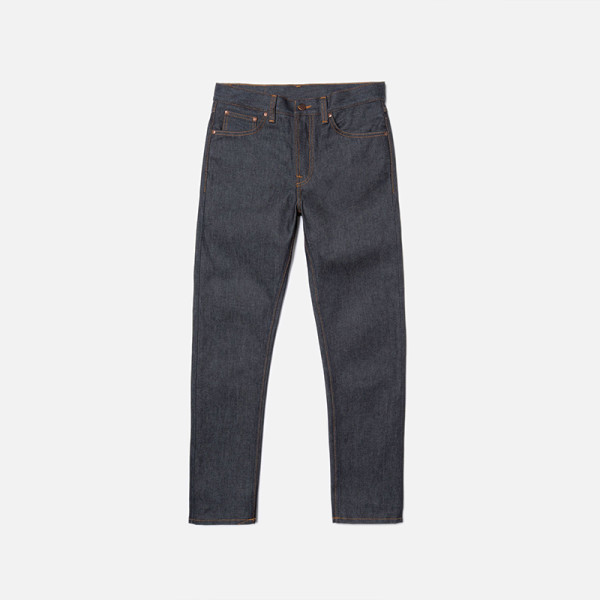
Bulk custom raw selvedge denim jeans with a classic straight-leg fit. Ideal for boutique brands and premium wholesale orders.
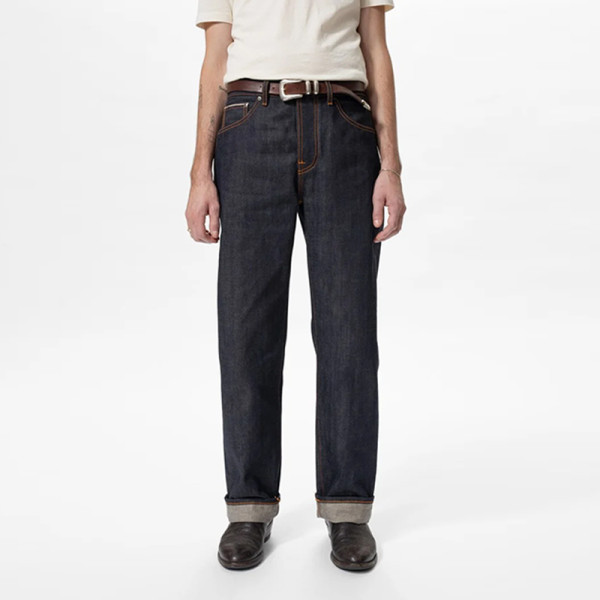
Custom raw selvedge jeans for luxury brands & boutiques. OEM/ODM, low MOQ, high-end craftsmanship.
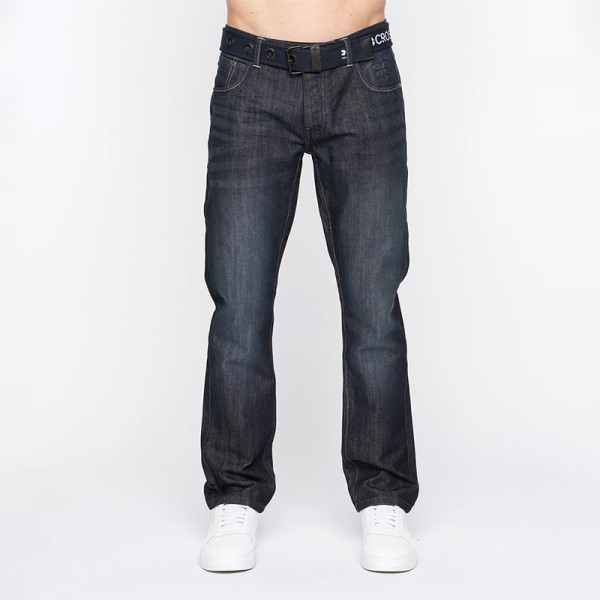
Tailored straight-leg dark jeans with clean lines, custom-made for boutique and luxury labels.
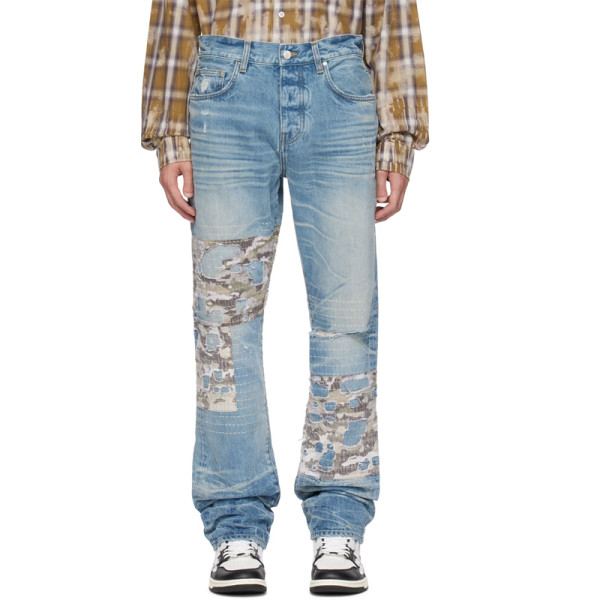
Washed denim cargo jeans with curved seams and double side zip pockets, perfect for urban workwear styles.