Is Denim a Type of Cloth or a Jeans Brand?
- Share
- Issue Time
- Apr 22,2026
Summary
Denim is a cotton twill fabric, not a brand. Learn how denim is woven, its types, and how manufacturers turn it into quality jeans for global markets.
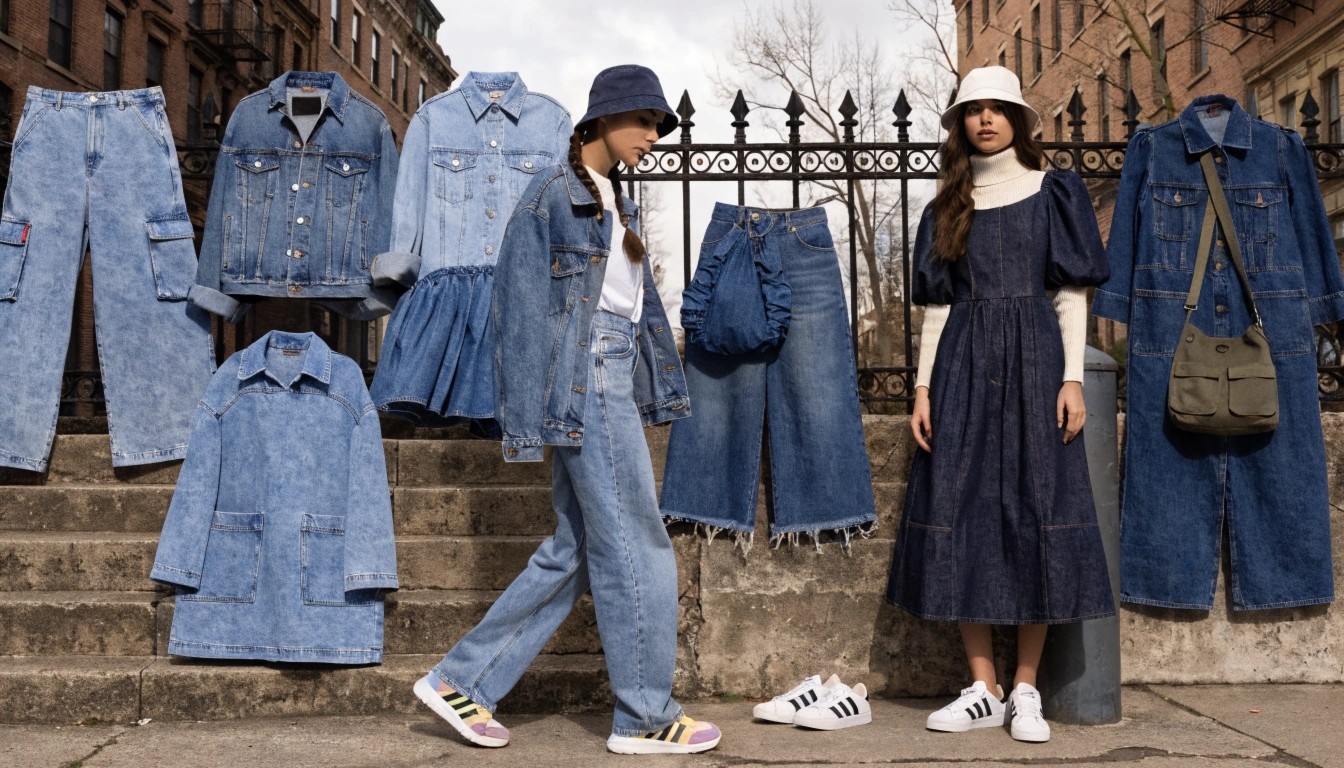
If you work in fashion, sourcing, retail, or private-label apparel, you have probably heard the words denim and jeans used as if they mean the same thing. On the factory side, they do not. On the customer side, they often do. That small language gap causes a surprising number of misunderstandings in product development, online merchandising, search behavior, and even buyer inquiries.
A boutique owner may ask for “premium denim” but actually want finished skinny jeans. A startup brand may say “we want our own denim line” when what they really need is OEM production for jeans, jackets, and shorts. And many everyday shoppers still ask a very basic but important question: is denim a fabric, a clothing category, or a brand name?
Denim is a type of cloth, not a jeans brand. More precisely, denim is a durable twill-woven fabric, traditionally made with colored warp yarns and white weft yarns, most often in cotton. Jeans are garments, usually pants, commonly made from denim. A brand can sell denim products or jeans, but the word denim itself is not a brand name.
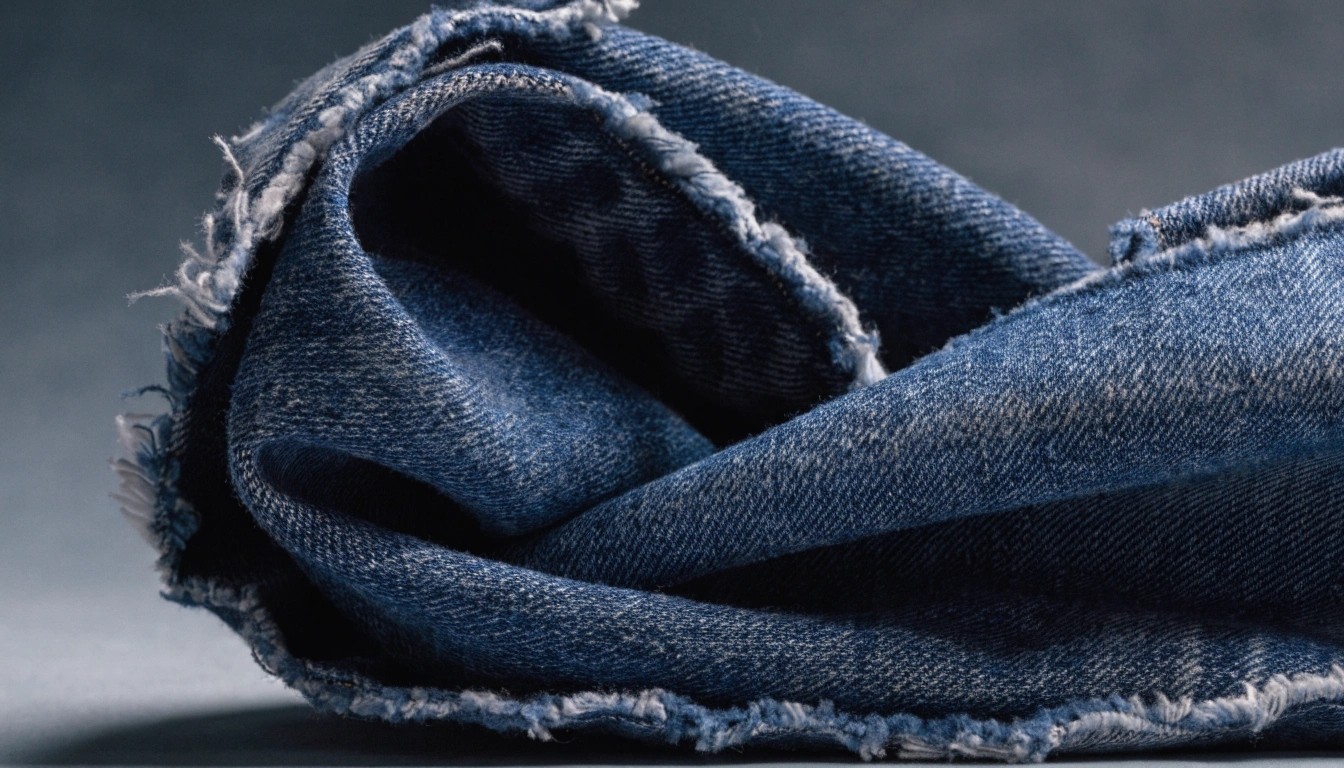
That sounds simple, but the deeper you go, the more useful the distinction becomes. It affects how products are described, how buyers search, how suppliers quote, how garments are designed, and how brands educate customers. It also opens the door to smarter sourcing decisions: stretch vs. rigid, washed vs. raw, lightweight vs. heavyweight, fashion-driven vs. workwear-inspired, and mass production vs. deep customization.
So instead of giving you a textbook definition and moving on, let’s unpack the issue the way an experienced denim manufacturer, product developer, and buyer would—because once you understand the difference clearly, you will make better product decisions and ask far better questions.
Is Denim a Type of Cloth or a Jeans Brand?
Denim is a cloth, not a jeans brand. It is a strong twill fabric, traditionally cotton-based, used to make jeans and many other garments. People sometimes mistake denim for a brand because the word is heavily associated with famous jean labels, but technically and commercially, denim refers to the material, while brands are the companies that design, market, or sell products made from it.
When people ask, “Is denim a brand or cloth?”, they are usually revealing one of two things: either they are new to apparel terminology, or they have learned fashion vocabulary through shopping rather than through textiles. That matters, because shoppers meet denim mainly in stores, online listings, influencer videos, and brand campaigns. They do not usually meet it in weaving mills, fabric libraries, wash development rooms, or sampling discussions. In the consumer world, denim often behaves like a style identity. In the manufacturing world, it is first a fabric category.
A good way to think about it is this: denim is the material; jeans are one product that can be made from that material; a brand is the business behind the product. These are three different layers of the same commercial ecosystem. Confusion happens because the fashion industry loves shorthand.
Brands say “new denim drop” when they mean new jeans collection. Stores use “shop denim” as a category title that may include jeans, jackets, skirts, and shirts. Consumers then start reading denim as if it were a garment type or even a label identity. That is understandable, but technically incomplete.
It helps to compare denim with other fashion terms. Leather is a material, not a brand. Silk is a fabric, not a label. Wool is a fiber-based textile category, not a company. In the same way, denim is a cloth—specifically a durable twill fabric known for its diagonal weave structure and classic warp-weft contrast. Britannica describes denim as a durable twill-woven fabric, usually with colored warp and white filling threads, and notes its historic tie to the phrase serge de Nîmes.
Another reason people confuse denim with a brand is that some brands become so culturally dominant that they shape how the public understands a whole category. Levi Strauss & Co. is historically tied to the development of blue jeans, and Levi’s remains one of the best-known names in denim apparel worldwide. But that does not make denim itself a brand name. Levi’s is a brand. Wrangler is a brand. Lee is a brand. Diesel is a brand. Acne Studios is a brand. A private-label startup on Shopify is a brand. The fabric all of them might use in some products is denim.
This distinction is especially important for B2B buyers. If you send a manufacturer an inquiry saying, “I want to create my own denim brand,” the factory still needs clarification. Do you want jeans only? Or denim jackets, skirts, shirts, shorts, and matching sets too?
Do you want rigid denim or comfort stretch? Light wash or dark rinse? Men’s, women’s, plus sizes, kids, or unisex? Streetwear baggy fits or premium slim silhouettes? When you understand that denim is the cloth, you start describing products more precisely—and precise buyers get better quotes, better samples, and faster development. That is a real competitive advantage in today’s crowded apparel market.
Material vs. Garment vs. Brand
| Term | What it really means | Example |
| Denim | A twill-woven fabric | 12 oz indigo cotton denim |
| Jeans | A garment, usually trousers | Straight-leg jeans, stacked jeans |
| Brand | The company selling the product | Levi’s, private label boutique, DTC startup |
So yes, the plain answer is simple: denim is cloth, not a brand. But the business lesson is bigger: the more clearly you separate fabric, garment, and brand identity, the more confidently you can develop, source, and sell denim products.
What Is the Difference Between Denim and Jeans?
The main difference is simple: denim is a fabric, while jeans are a garment. Denim refers to a strong twill cloth, usually cotton-based. Jeans are pants typically made from denim, though some jean-style garments may use denim-like or alternative fabrics. In short, denim is the material; jeans are one of the finished products made from it.
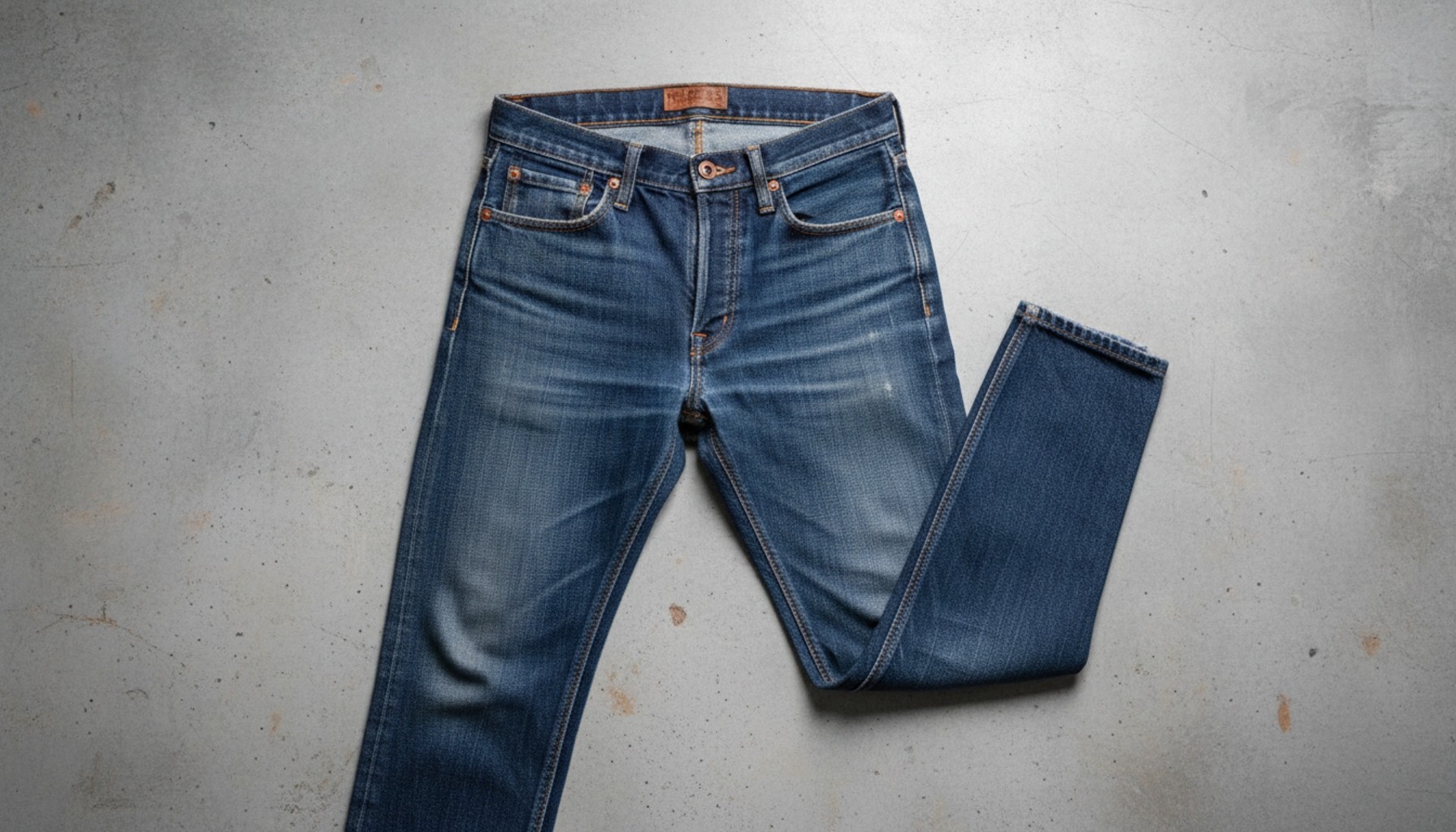
This is the question that clears up almost every other question: denim vs. jeans. Once you understand that difference, the terms “is denim a type of jeans?” and “is jean a type of cloth?” become much easier to answer.
Strictly speaking, denim is not a type of jeans. Denim is the fabric that jeans are commonly made from. And jean is not primarily a type of cloth in modern everyday usage—in current consumer language, jeans usually means pants. That said, historical dictionary usage does show that jean once referred to a sturdy twilled fabric as well, which is part of why the language can feel messy.
In daily fashion conversation, however, the most practical rule is the one buyers and product teams use:
Denim = textile/material
Jeans = finished garment
That distinction influences everything from product design to online catalog structure. When a customer clicks “denim,” they may expect a category page. When a pattern maker hears “denim,” they think fabric performance: weight, construction, stretch, slub character, recovery, shrinkage, wash response, and hand feel. When a merchandiser hears “jeans,” they think fit blocks, rise, inseam, leg opening, size grading, target customer, price architecture, and wash assortment.
This matters because not all denim becomes jeans. Denim can also be used for jackets, shirts, overshirts, shorts, dresses, skirts, aprons, uniforms, and accessories. On the other side, not every jean-style pant is always made from traditional rigid denim. Some modern market products use stretch blends or denim-like constructions that prioritize comfort, softness, or price-point appeal. Dictionary sources describe jeans as pants made from denim or denim-like fabric, which reflects how the category has broadened in real-world apparel retail.
A lot of search confusion comes from language shortcuts. People say, “I need new denim,” when they mean jeans. Retailers say, “our best-selling denim,” when they mean the jean assortment. Stylists say, “dark denim works for dinner,” referring to dark-wash jeans rather than a roll of dark indigo cloth.
None of this is “wrong” in a lifestyle context. But if you are developing a product line, you cannot afford to stay vague for long. A factory cannot cut and sew “denim” unless you tell them what item you want. Jeans? Jacket? Baggy shorts? Relaxed straight leg? Stacked jeans with long inseam and heavy whiskering? The cloth alone is not yet the product.
Is denim a type of jeans?
No. Denim is not a type of jeans. Denim is the fabric. Jeans are the garment. A better way to phrase it would be: jeans are often made from denim. That is why the two words stay closely linked in search behavior and everyday speech
Is jean a type of cloth?
In modern consumer usage, when people say jeans, they almost always mean pants. But historical and dictionary usage does preserve jean as a term for a sturdy twilled fabric. That older meaning is real, but in present-day fashion commerce, it is much more useful to treat jeans as a garment category.
The commercial takeaway is important. If you are a brand owner or boutique buyer, you should use denim when talking about fabric properties and jeans when talking about finished product specs. For example:
“We want a 12 oz comfort-stretch denim with strong recovery.”
“We want women’s plus size straight jeans in a medium-blue wash.”
“We need men’s baggy jeans with oversized fit and vintage sanding.”
“We want stacked jeans with extra inseam and heavy knee stacking.”
That is the kind of language that moves a project forward.
Comparison Table: Denim vs. Jeans
| Feature | Denim | Jeans |
| Category | Fabric / cloth | Garment / pants |
Main function | Material used to make products | Finished wearable item |
Typical construction | Twill weave | Cut-and-sew apparel |
Can vary by weight? | Yes | Indirectly, depending on fabric used |
Can exist before sewing? | Yes | No |
Other product uses | Jackets, shirts, skirts, shorts | Mostly trouser-style garments |
There is also a branding lesson here. If your website sells private-label jeans and you describe everything as “denim,” you may miss transactional search intent. Customers often search by product, not by fabric. They type “baggy jeans,” “selvedge jeans,” “plus size jeans,” or “black skinny jeans.” If you want traffic from educational and commercial search, you need both vocabularies: fabric language for authority and garment language for conversion.
What Is Denim Made Of and How Is It Constructed?
Denim is usually made from cotton and woven in a twill structure, which creates the fabric’s signature diagonal rib pattern. Traditionally, denim uses colored warp yarns—most often blue—and white weft yarns. Many modern denims also include stretch fibers such as elastane or blends with other fibers to improve comfort, flexibility, or performance.
If you really want to understand why denim is cloth—and why it became one of the world’s most commercially important fashion fabrics—you need to look at construction, not just naming. Denim is not defined by “blue pants energy.” It is defined by how it is woven and how it performs.
Britannica describes denim as a durable twill-woven fabric with colored warp yarns, usually blue, and white filling threads. That little detail explains a lot. The classic face of denim appears darker because the warp yarns dominate the face, while the white weft contributes to the back and to the visual depth of the fabric. The twill structure creates the diagonal line that makes denim look and behave differently from plain-woven cotton fabrics.
So, is denim considered cloth? Absolutely yes. Not only is it cloth, it is a very specific kind of cloth with a strong identity created by three main elements:
Fiber composition
Yarn dyeing
Weave structure
Let’s break those down.
1) Fiber composition: is denim always 100% cotton?
Traditionally, denim has been strongly associated with cotton, and classic rigid denim is often 100% cotton. Britannica specifically notes denim is usually all-cotton, though considerable quantities are also made with blends. In the modern market, stretch and performance demands have expanded material options. You will now see cotton blended with elastane, polyester, Tencel, viscose, hemp, or recycled fibers depending on price point, comfort goals, sustainability positioning, or end-use requirements.
For premium heritage jeans, many brands still prefer rigid or low-stretch cotton denim because it gives a more authentic fade pattern and a classic hand feel. For women’s fashion fits, skinny jeans, and comfort-led commercial lines, stretch blends are extremely common because they improve mobility and body-hugging fit. For baggy jeans or vintage-inspired silhouettes, brands may choose heavier non-stretch denim to create shape and structure. So when buyers ask, “What is denim made of?” the real answer is: usually cotton, but not always cotton only.
2) Yarn dyeing: why denim looks the way it does
Traditional denim is famous for indigo-dyed warp yarns and white weft yarns. That contrast is one reason denim fades so attractively over time. Because indigo often sits more on the outer layer of the yarn rather than fully penetrating to the core, abrasion during wear and washing reveals lighter tones and creates character. This is part of what made denim culturally special: the garment evolves with the wearer.
Of course, today’s market includes sulfur black denim, overdyed colors, tinted washes, dirty tones, ecru denim, grey casts, and fashion colors. But the classic blue story still dominates the category. That is why people often emotionally associate denim with authenticity, age, workwear, and individuality. It is not just fabric; it is fabric that records wear.
3) Twill weave: the technical core
The twill construction is what makes denim denim in the most technical sense. Twill produces the diagonal ribbing that distinguishes it from many other cotton fabrics. That structure contributes to durability, drape, abrasion behavior, and visual texture. It is one reason denim can feel more substantial and directional than plain weave fabrics.
This is also the strongest answer to people asking, “What makes denim a fabric rather than a brand name?” Brands are legal and commercial identities. Fabrics are physical materials defined by fiber, yarn, weave, finish, and performance. Denim belongs to the second category. You can test it, weigh it, wash it, shrink it, distort it, sanforize it, singe it, coat it, and sew it. That is fabric behavior, not branding behavior.
Fabric decisions shape product outcomes
Once you move from terminology into sourcing, denim construction becomes even more important. A buyer choosing fabric is really choosing product behavior:
Lighter-weight denim often suits shirts, dresses, warm-weather shorts, and softer fashion jeans.
Mid-weight denim is versatile and common across everyday jeans, jackets, and commercial capsules.
Heavier denim works well for rigid jeans, structured baggy silhouettes, workwear influence, and premium heritage positioning.
Stretch denim supports close-fitting styles and comfort-driven categories.
Rigid denim supports vintage aesthetics, cleaner lines, and more dramatic long-term fading.
That is why strong manufacturers do not just ask, “What color do you want?” They ask about fit, customer profile, target retail price, wash look, season, and expected feel on body. The cloth determines the success of the garment.
A buyer-friendly way to evaluate denim
| Denim factor | What it affects | Why buyers should care |
| Fiber content | Comfort, recovery, price, feel | Impacts fit and consumer satisfaction |
| Fabric weight | Structure, drape, seasonality | Helps match product to market |
Stretch level | Mobility and silhouette | Important for skinny or body-contour fits |
| Weave construction | Durability and appearance | Core to authenticity and performance |
Dye/finish | Color depth and fade behavior | Influences style identity and wash story |
There is also a strategic point many new brands miss: denim is not one thing. It is a family of possibilities. Saying “we want denim” is like saying “we want leather” or “we want knitwear.” It is only the beginning of the conversation. The real work starts when you define the exact fabric attributes that suit your customer.
And that is why educating customers matters so much. The better they understand denim as a constructed cloth—not just a vague fashion word—the more likely they are to appreciate quality differences, accept premium pricing, and choose the right supplier for the right product.
Why Are Jeans Called Jeans If the Fabric Is Denim?
Jeans are called jeans because the garment has a distinct naming history separate from the fabric itself. Public sources trace denim to the phrase serge de Nîmes, while blue jeans became associated with riveted work pants popularized in the United States. Levi Strauss & Co. notes that riveted work pants became what we now call jeans, though earlier they were called “waist overalls.”
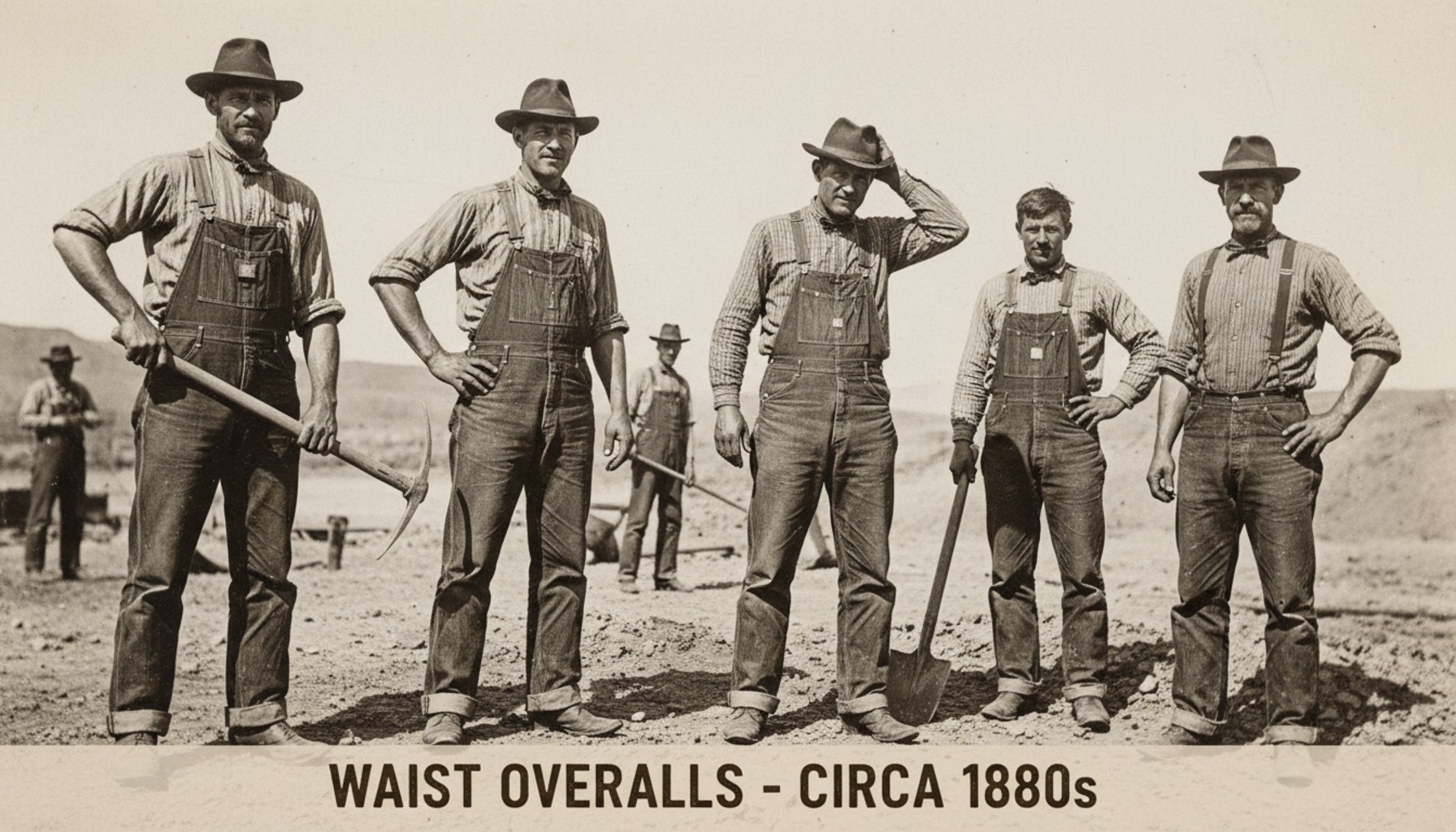
This is where the story becomes fun—and useful. A lot of people assume if denim is the material, then the pants should logically just be called denim pants. Sometimes they are. But language rarely develops in a perfectly logical way. The reason jeans are called jeans while the fabric is called denim is that the garment and the cloth followed related but not identical histories.
Britannica links the name denim to serge de Nîmes, referring to a sturdy fabric associated with Nîmes, France. Meanwhile, jeans as a garment developed into a distinct clothing identity, especially in the United States, where riveted work pants became a defining product. Levi Strauss & Co. states that May 20, 1873 is considered the “birthday” of blue jeans because rivets were added to work pants, creating what we now call jeans. The company also notes those garments were called “waist overalls” or “overalls” until around 1960, when “jeans” gained mainstream usage.
This layered history explains a lot. The fabric had one naming pathway. The garment had another. Over time, they became tightly bound in public imagination because one of the most famous garments made from denim was the blue jean. Once that association became dominant, many consumers stopped separating the terms.
Why is the garment called jeans while the material is denim?
Because garments often develop their own identities beyond the materials they are made from. Think about it this way: a blazer is not called “wool,” even if many blazers are made from wool. A sneaker is not called “rubber,” even though rubber is part of the product. The material name and product name serve different functions. Denim tells you what the cloth is. Jeans tells you what the item is.
Historical branding, workwear, and cultural memory
The evolution of jeans was not driven by textile science alone. It was shaped by labor, utility, branding, and later by culture. Riveted work pants were valued because they were strong and practical. That functionality became part of the mythology of jeans. Then film, youth culture, music, rebellion, and global casualwear turned jeans into something far bigger than work pants. By the late twentieth century, jeans were no longer only durable garments—they were identity products.
That cultural rise also increased the confusion between jeans and denim. Once the garment became iconic, the public started using fabric language and garment language more loosely. Brands helped this happen, too. Marketing copy loves atmosphere. “Denim heritage.” “Premium denim.” “Luxury denim.” “Denim capsule.” “Denim essentials.” These phrases are emotionally powerful, but they blur category boundaries.
Why this history matters to modern buyers
At first glance, this may feel like trivia. It is not. Naming history affects how people search, shop, and brief suppliers today.
If a buyer says “I want a denim line,” that may mean:
five-pocket jeans,
fashion-forward baggy jeans,
selvedge jeans,
denim jackets,
denim shirts,
denim shorts,
or a mixed collection.
If a consumer searches “best denim for curvy body type,” they may want:
actual fabric information,
jean fit advice,
or shopping recommendations.
That ambiguity is not a problem if you know how to handle it. Strong brands and manufacturers solve it through education. They meet the customer where the search begins, then guide them toward the right product language.
A practical language model for product teams
Use these distinctions internally and externally:
Fabric discussion: denim, selvedge denim, comfort-stretch denim, rigid denim, lightweight denim
Garment discussion: jeans, jacket, shorts, shirt, skirt
Market discussion: men’s, women’s, plus size, streetwear, premium, boutique, OEM, ODM
Wash discussion: rinse, stone wash, vintage wash, dirty tint, acid wash, enzyme wash
When these layers are separated clearly, development gets smoother. Sampling errors decrease. Fit comments improve. Clients approve fabrics faster. Factory communication becomes more professional. And the final customer is less confused.
In other words, jeans are called jeans because history gave the garment its own identity. Denim remained the cloth. The two became inseparable in culture, but they are still not the same thing. That is exactly why the question keeps showing up in search—and exactly why a clear answer keeps performing well.
Can Denim Be Used for More Than Jeans?
Yes. Denim can be used for much more than jeans. Because it is a durable and versatile fabric, it is widely used for jackets, shirts, shorts, skirts, dresses, uniforms, and other fashion items. The fabric’s weight, fiber blend, wash treatment, and finish determine which product category it suits best.
One of the biggest missed opportunities in denim business is thinking too narrowly. If someone still believes denim only means jeans, they are already behind the market. Denim is one of fashion’s most flexible fabrics. It can look rugged, clean, vintage, sexy, oversized, refined, washed down, dark and polished, or highly directional. It can move from streetwear to premium boutique to workwear-inspired capsules without losing recognizability. That versatility is exactly why denim remains such a powerful category.
Britannica’s dictionary definition explicitly notes denim is a strong cotton cloth used especially to make jeans, and also shows it used in expressions like denim skirt and denim jacket. That alone tells us the fabric’s real commercial role is broader than pants.
If denim is cloth, what else can it become?
A lot, actually. Depending on fabric weight, finish, and pattern engineering, denim can be used for:
Denim jackets
Denim shirts
Denim shorts
Denim skirts
Denim dresses
Overshirts and shackets
Jogger jeans
Cargo-inspired denim bottoms
Matching denim sets
Kidswear
Workwear-inspired pieces
Accessories such as bags and cap
This is where manufacturers with deep product development experience become valuable. They do more than produce a standard five-pocket jean. They help buyers match the right fabric to the right item.
A soft lightweight denim that works beautifully for a relaxed women’s shirt might be a terrible choice for structured stacked jeans. A heavy rigid denim perfect for baggy streetwear jeans may feel too stiff for a drapey fashion dress. The cloth is versatile—but it is not magical. It still has to be chosen intelligently.
Product category depends on fabric engineering
Here is the practical reality behind denim diversification:
Denim jackets often benefit from mid- to heavier-weight denim with enough body to hold silhouette.
Denim shirts usually need lighter and softer constructions for comfort and layering.
Denim shorts can range from rigid vintage cuts to stretch commercial fits.
Plus size jeans often benefit from carefully balanced comfort stretch and shape retention.
Skinny jeans typically require stronger recovery and more ergonomic comfort.
Baggy jeans often look best in more structured denim that supports volume.
Selvedge jeans usually target authenticity-driven buyers who care about fabric edge, construction, and long-term wear character.
Jogger jeans mix denim aesthetics with comfort and athleisure expectations.
That is why product development should always start with end use, not with vague fabric enthusiasm. Denim can do many jobs, but not all denims can do every job equally well.
Why this matters for private-label and custom buyers
For emerging brands, online boutiques, and influencer-led stores, denim’s versatility is a major business advantage. It allows you to build a more complete collection around one material family while still offering different silhouettes, price points, and consumer moods. You can create a denim story without looking repetitive.
For example, a well-built capsule could include:
straight jeans,
baggy jeans,
plus size jeans,
a cropped denim jacket,
relaxed denim shorts,
a washed denim shirt.
That collection feels coherent, but still serves multiple use moments and body types.
This is also where OEM and ODM capability really matters. Some suppliers are good at repeating basic jeans. Fewer are good at deep customization across multiple denim categories—especially when you want your own logo, special wash identity, custom trims, unique pattern proportions, private packaging, and design-to-sample execution.
Strategic sourcing checklist for denim products
| Product type | Best focus when sourcing | Common risk if chosen poorly |
Skinny jeans | Stretch, recovery, comfort | Bagging out, poor shape retention |
Baggy jeans | Structure, drape, wash texture | Fabric too soft, silhouette collapses |
Plus size jeans | Fit balance, comfort, support | Waist gaping, strain points, discomfort |
Denim jacket | Body, seam stability, wash consistency | Weak shape, poor structure |
| Denim shirt | Softness, lighter weight, hand feel | Too stiff for daily wear |
| Denim shorts | Cut, wash, comfort, rise | Restrictive fit or cheap-looking finish |
Denim’s real power is emotional and commercial
Denim works beyond jeans because consumers already trust it. It feels familiar but can still feel fresh. It carries history but keeps reinventing itself. That combination is rare in fashion. It is one reason both mass-market and premium brands continue to invest in denim categories season after season.
For a buyer, the big lesson is simple: do not ask only, “Can denim be used for this?” Ask instead, “Which denim construction is right for this product and this customer?” That question leads to better design, better sampling, better pricing logic, and better sell-through.
And for brands trying to grow, that broader denim mindset is often the shift that turns a single-product idea into a real collection.
Conclusion: Denim Is Cloth, Jeans Are the Product—and Clarity Creates Better Products
At this point, the answer should be clear. Denim is a type of cloth, not a jeans brand. It is a durable twill fabric, traditionally cotton-based, often built with colored warp yarns and white weft yarns. Jeans are garments, most commonly pants, that are usually made from denim. The reason the terms feel confusing is not because the difference is weak—it is because culture, retail language, and brand storytelling have blurred the line over time.
But once you separate the terms properly, a lot becomes easier. You can brief suppliers more precisely. You can build better product pages. You can educate customers with more authority. You can choose fabrics more intelligently for different categories such as plus size jeans, baggy jeans, stacked jeans, straight jeans, selvedge jeans, skinny jeans, jogger jeans, denim jackets, denim shorts, and denim shirts. And most importantly, you can move from broad fashion language to real product development language.
For brands, boutiques, designers, and online sellers, that clarity is not academic. It is commercial. It helps you buy better and sell better.
If you are planning to develop your own denim collection—whether that means custom jeans, private-label denim products, OEM, ODM, logo customization, or turning sketches into real samples—working with an experienced manufacturer makes the difference between a nice idea and a product that actually sells.
DiZNEW is a China-based denim factory with more than 20 years of experience in denim product development, manufacturing, and sales. We support a wide range of denim categories, including plus size jeans, baggy jeans, stacked jeans, straight jeans, selvedge jeans, skinny jeans, jogger jeans, denim jackets, denim shorts, and denim shirts. We handle low MOQ custom orders from 30 pieces as well as large-volume production up to 10,000 pieces, and we are especially strong in complex denim style customization, private-label development, and transforming design concepts into finished products for U.S. small-to-medium buyers, premium brands, designers, boutiques, and influencer-led online stores.
If you are ready to build your own denim line, now is the right time to start the conversation. Send DiZNEW your tech pack, design sketch, reference photo, target fit, wash idea, logo requirements, and quantity plan, and let’s turn your denim concept into a real product collection.
If you want, I can next turn this into a fully optimized long-form blog version wit
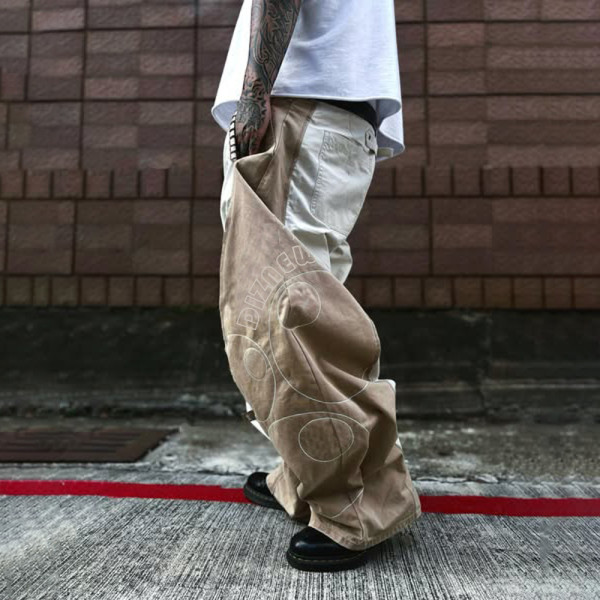
Custom White and Light Brown Color Block Wide Leg Jeans. Experience premium quality with our OEM/ODM services for wholesale and tailored needs.
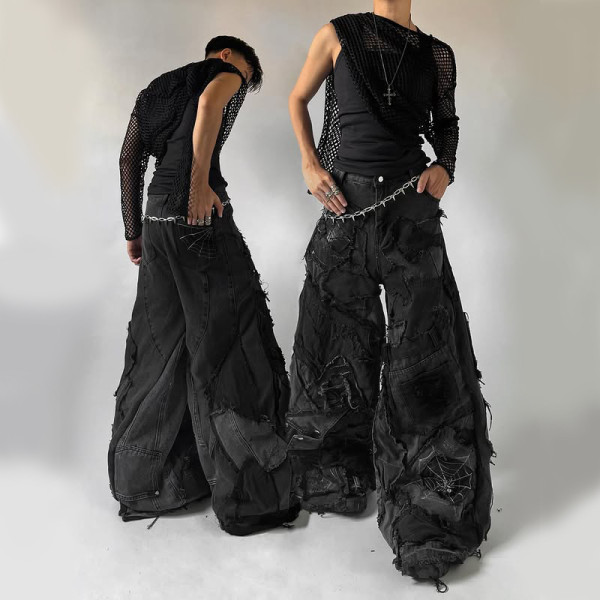
Wholesale Custom Black Wide Leg Jeans - Tailored Denim for Brands. Enjoy OEM/ODM services to elevate your design.
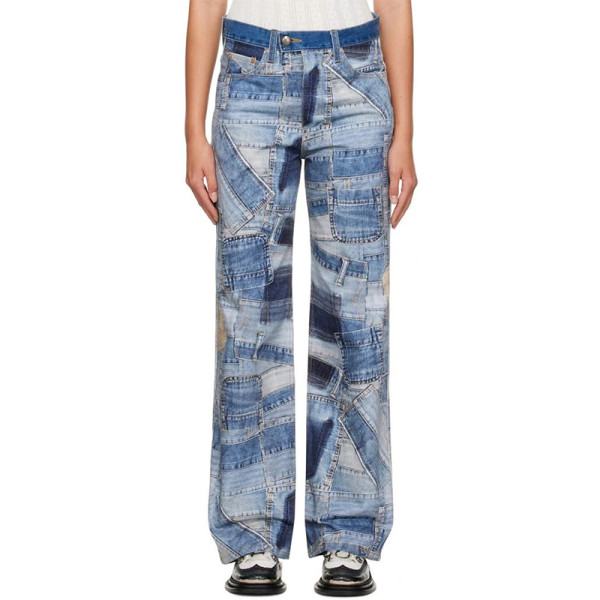
Elevate your collection with our OEM/ODM Custom Digital Printing Blue Patchwork Jeans, perfect for brands seeking unique styles in bulk.
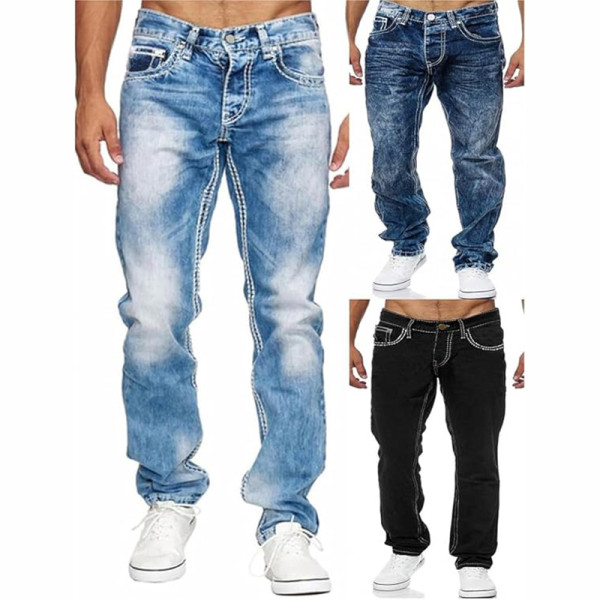
Classic straight jeans with bold contrast stitching in light blue, dark blue, and black — made for standout collections.