How to Keep Dye From Rubbing Off Jeans?
- Share
- Issue Time
- Jan 7,2026
Summary
Discover proven techniques to lock indigo, reduce crocking, and ace AATCC tests. Partner with our vertical denim factory for expert dyeing and washing solutions.
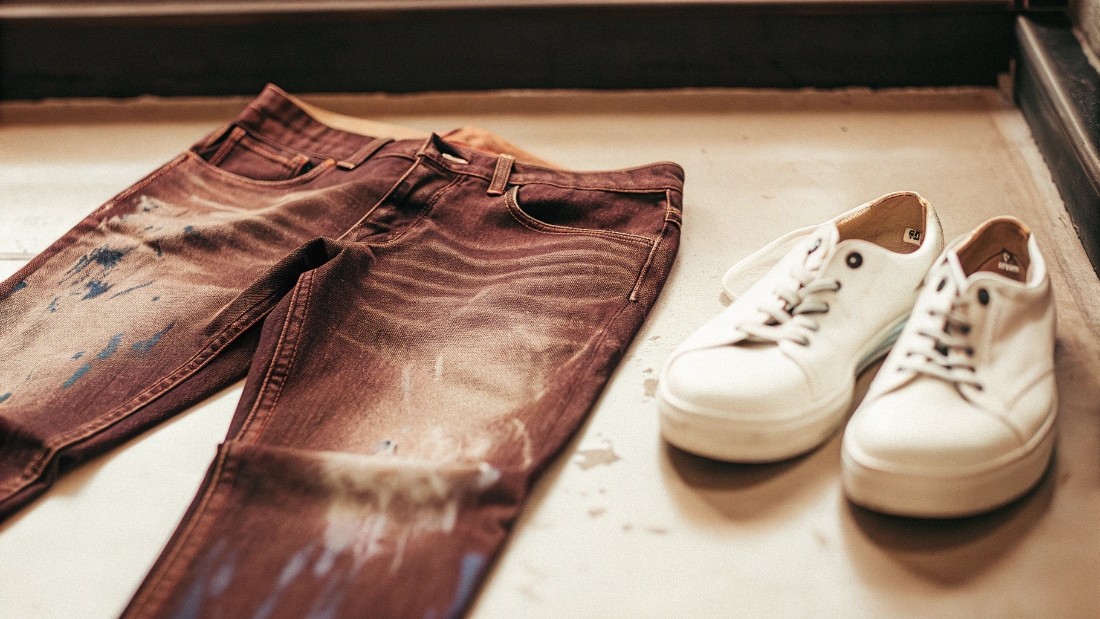
Your customer just bought a pair of your beautiful, dark indigo jeans. They love them, until they realize their new white sneakers and light-colored sofa are now stained blue.
The primary way to keep dye from rubbing off, a process called "crocking," is to remove excess surface indigo. For consumers, this can be done with a cold water and vinegar wash.
Your insight about using a vinegar soak is a popular and effective home remedy, Dean. It's great advice to pass on to customers. The acetic acid in vinegar helps to set the dye that's already on the fabric.
However, for you as a designer creating a premium product, the real goal is to solve this problem before the jean ever reaches the customer. The issue of dye transfer isn't just a laundry problem; it's a manufacturing and design challenge. By understanding how we control this in the factory, you can build a product that has minimal crocking from day one.
How to Keep Jean Dye From Rubbing Off?
You’ve designed a stunning raw or dark-wash jean, but you’re worried. You know that customer complaints about blue stains can kill a product's reputation before it even gets started.
From a production standpoint, the key is controlling the indigo dye. This means using quality dyes and, most importantly, implementing a specific post-dyeing wash process to remove loose particles.
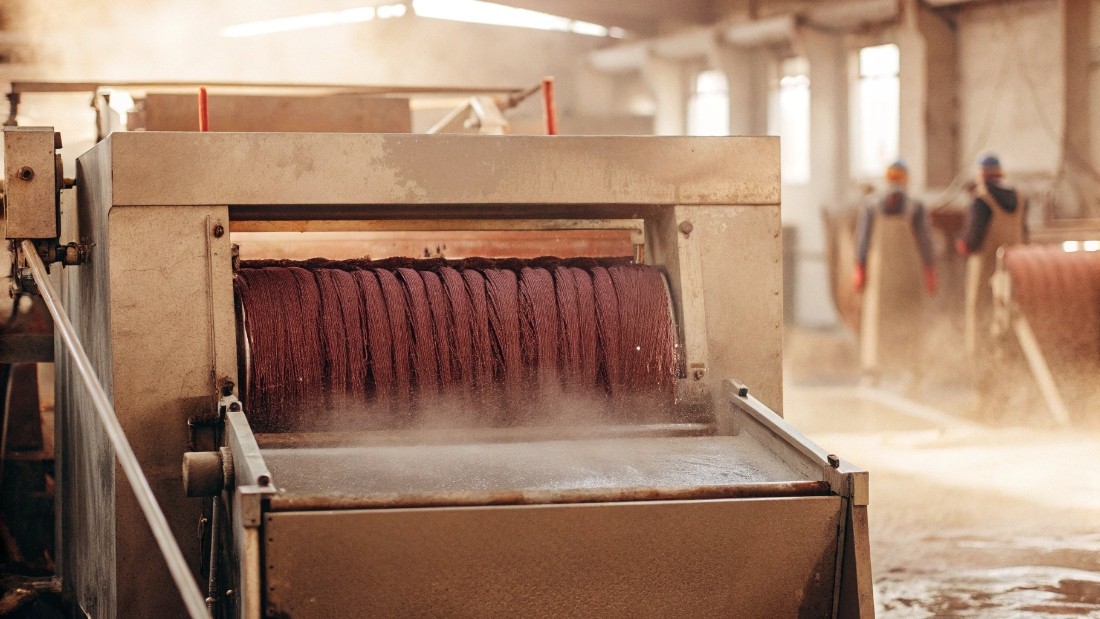
Indigo dye is unique. Unlike other dyes that penetrate the cotton fiber, indigo sits on the surface of the yarn. This is what allows jeans to fade so beautifully, but it's also the direct cause of crocking. The "rub-off" is literally loose indigo particles on the surface of the fabric that haven't properly bonded. In my factory, we manage this with carefully controlled washing.
After a jean is sewn, it goes through a series of rinses or very light washes. We might use a simple cold rinse or a gentle enzyme wash. The goal isn't to change the color, but to mechanically shake loose and wash away all of those excess dye particles. This single step can be the difference between a jean that bleeds everywhere and one that's stable from the first wear.
How to Seal Color in Jeans?
You want to offer the rich, deep color of a dark jean without the downside. You're wondering if there's a way to just lock the color in and stop it from moving.
You can't "seal" traditional indigo dye completely, as its ability to fade is part of its character. However, you can significantly improve color fastness by using dye-fixing agents during the manufacturing process.
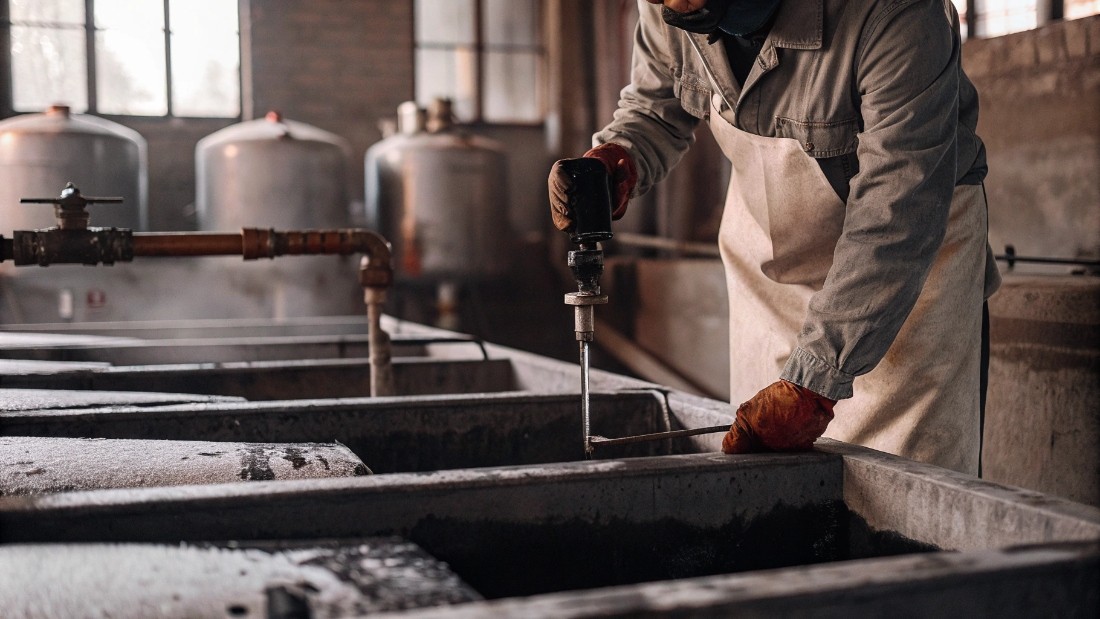
The idea of "sealing" is a bit misleading when it comes to indigo. If we truly sealed it, the jean would never fade, and it would lose the very quality that makes denim special. The goal isn't to create an impermeable seal, but to improve the bond between the dye and the cotton fiber. This is where chemical fixatives come in. After the dyeing or washing process, we can treat the jeans with a fixing agent.
This is a special chemical compound that creates a stronger molecular bond, essentially "locking" more of the dye particles onto the yarn. This greatly reduces crocking and also makes the color last longer through home laundering. It adds a step and a cost to the process, but for a premium dark-wash jean, it's an essential part of ensuring quality for your customer.
How to Prevent Color Transfer from Jeans to Shoes?
Your customer’s number one complaint about dark denim is stained shoes. It's a specific, frustrating problem that can make a customer think twice before buying another pair of dark jeans from you.
The most effective way to prevent transfer to shoes is a combination of factory rinsing and using a higher-quality, more stable dye. For raw denim, a cuffed hem can also physically prevent contact.
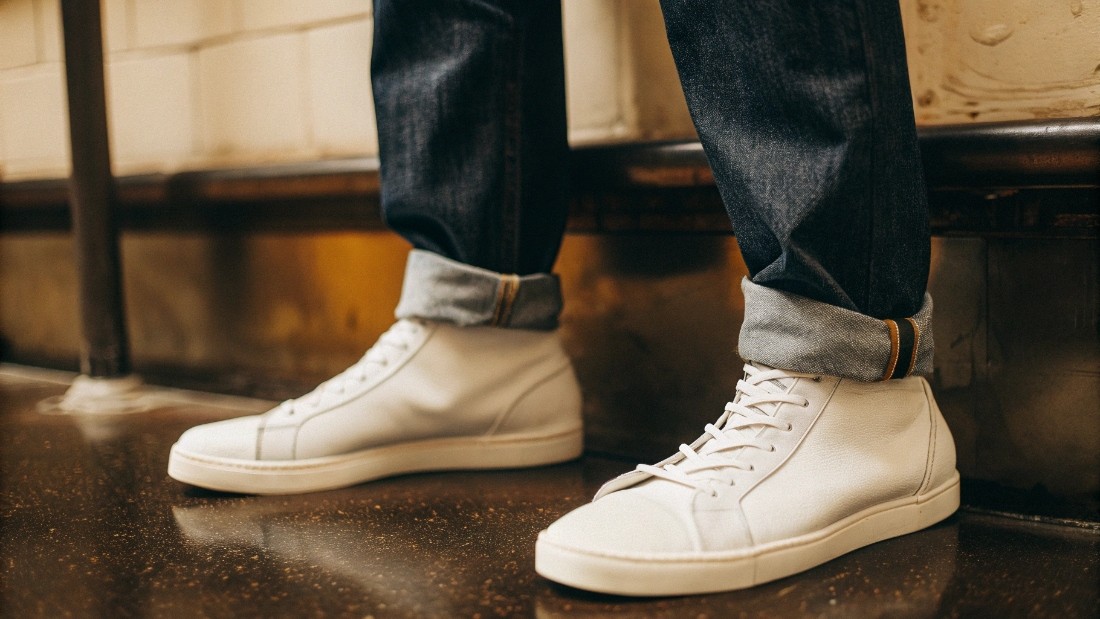
This is a huge issue, especially with the popularity of expensive white sneakers. In the factory, we measure for this specifically with a "crock meter," which rubs a piece of white fabric against the denim to test how much dye transfers. The best solution is a good post-rinse, as we've discussed.
However, the type of dye matters too. There are newer "pre-reduced" or advanced indigo dyes that bond better to the cotton and have inherently less crocking. They cost more, but they solve the problem at the source. For a product that is intentionally sold as "raw" or "unwashed," where crocking is expected, educating the customer is key. Advising them to cuff the jeans for the first few wears is a simple, practical tip. It creates a physical barrier that protects their footwear while the jeans naturally settle.
Production Methods to Reduce Dye Transfer
| Method | Description | Best For | Impact on Cost |
| Post-Rinse Cycle | A simple water wash to remove loose dye particles. | All dark-wash jeans | Low |
Enzyme Wash | A gentle wash that cleans the surface without heavy fading. | Dark, but not raw, jeans | Medium |
| Dye Fixative Agent | A chemical treatment to improve dye-to-fiber bonding. | Premium dark washes | Medium-High |
| Upgraded Dye Type | Using advanced, more stable indigo dye formulas. | High-end, crock-sensitive products | High |
How Do You Set the Dye in Jeans?
You're ready to approve a production run. You need to give clear instructions to the factory to ensure the final product has a stable, set dye that reflects your brand's quality standards.
As a designer, you "set the dye" by specifying the right combination of post-wash and finishing treatments. This usually involves a rinse, a heat-based drying process, and the optional use of a fixative.
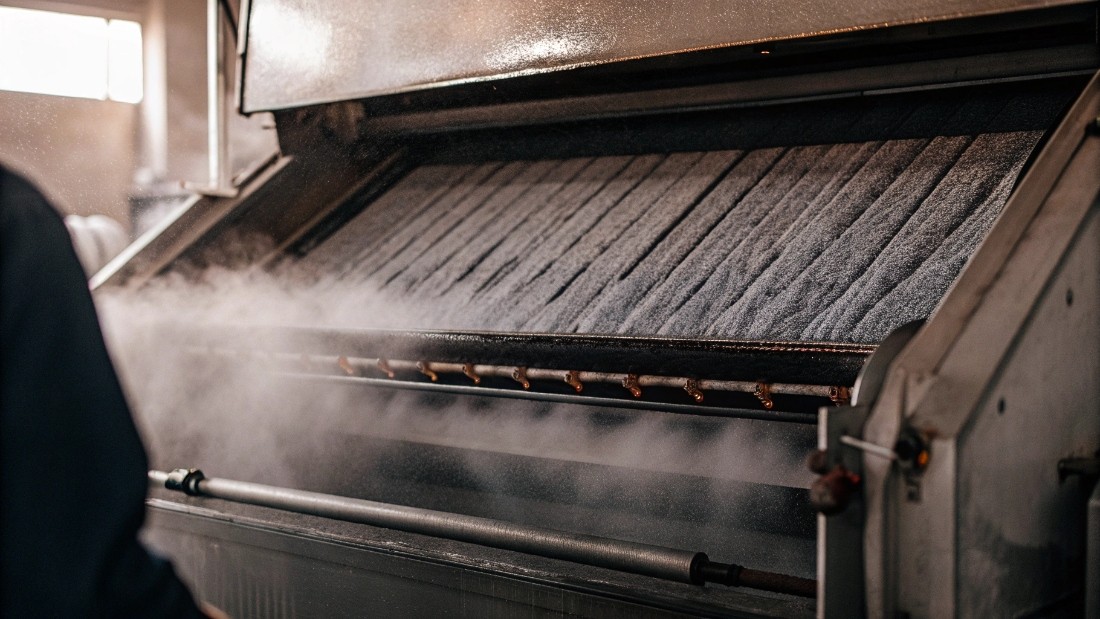
When you give me a tech pack, your instructions on washing and finishing are what tell my team how to "set the dye." The process isn't one single step. It's a recipe. A typical process for a quality dark jean looks like this: First, the jeans go through a rinse cycle to remove the loose, unbonded dye.
Second, they are treated with a softener or a fixative agent in the same bath. This improves the feel and locks in the color.
Third, and this is a crucial step, is the drying process. Heat helps to cure and set the dyes and chemicals into the fabric. We use carefully controlled industrial dryers to ensure the jeans are heated to the right temperature for the right amount of time. It's this combination of washing, chemical treatment, and heat that produces a jean with a rich, stable, and beautifully set color.
Conclusion
To prevent dye rub-off, focus on factory-level solutions. Specify a post-rinse cycle and consider using dye-fixing agents to ensure a quality, color-stable product for your customers.
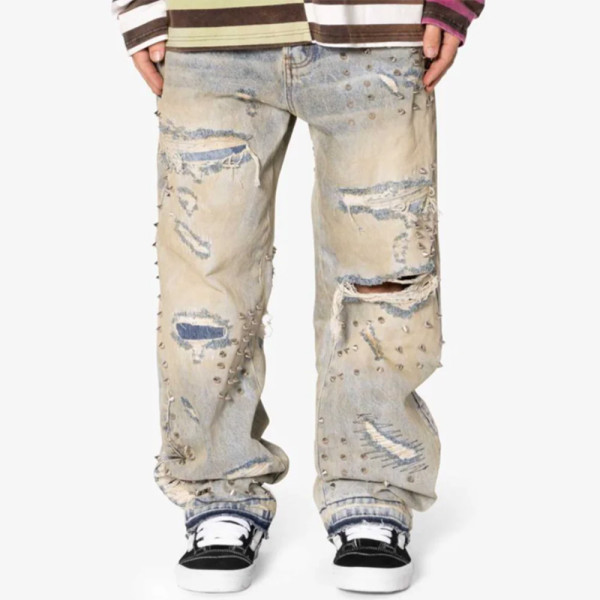
Extreme distressed baggy jeans with stud details—perfect for bold boutique lines & edgy designer labels.
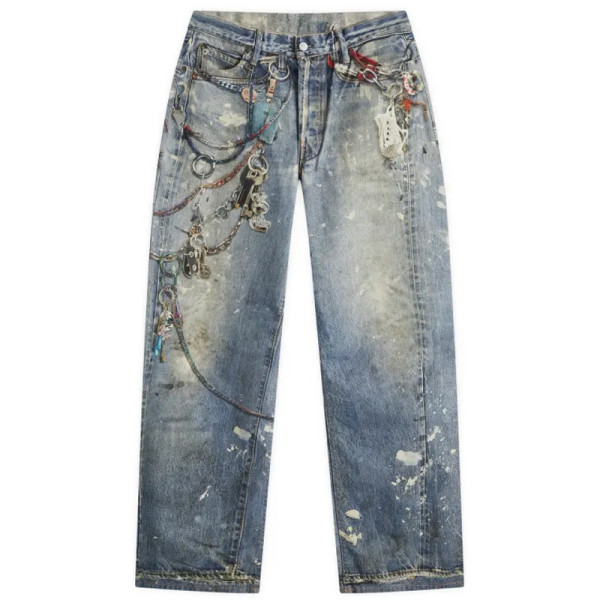
Loaded with chains and chaos—these jeans bring punk rebellion with dirty wash and full metal drip.
Washed denim cargo jeans with curved seams and double side zip pockets, perfect for urban workwear styles.
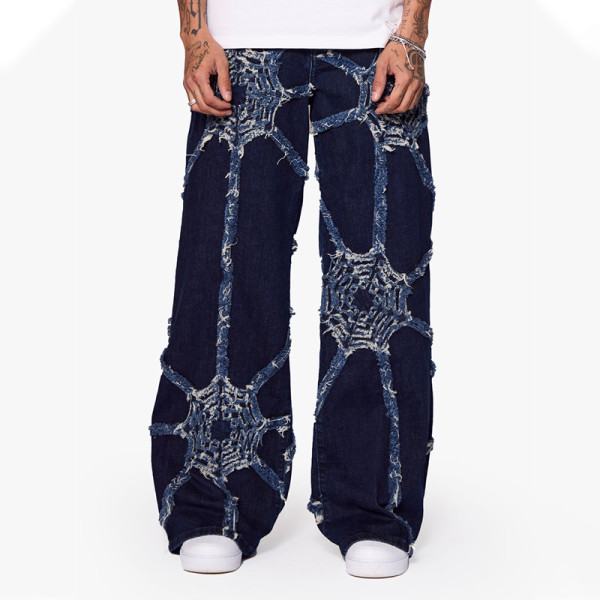
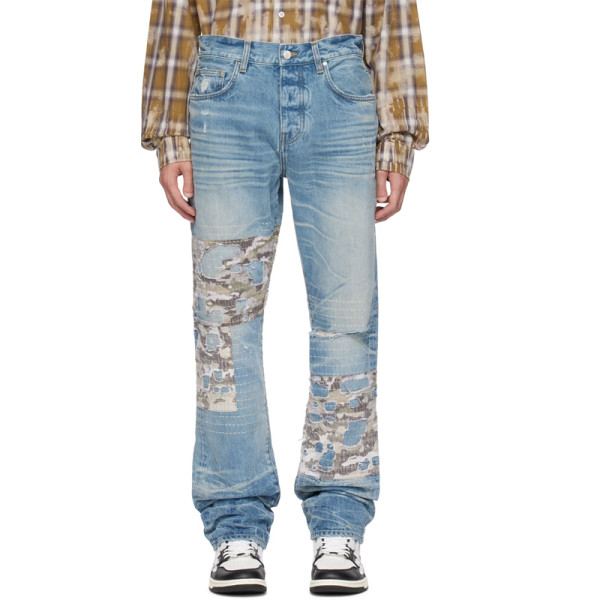
Web of rebellion—oversized jeans with heavy spiderweb frayed patchwork for a deconstructed statement fit.