How much would it cost to have my jean skirt shortened?
- Share
- publisher
- Jimy
- Issue Time
- Jul 6,2026
Summary
Planning a denim line? Learn how shortening skirt lengths affects bulk manufacturing costs with our custom B2B denim factory solutions.
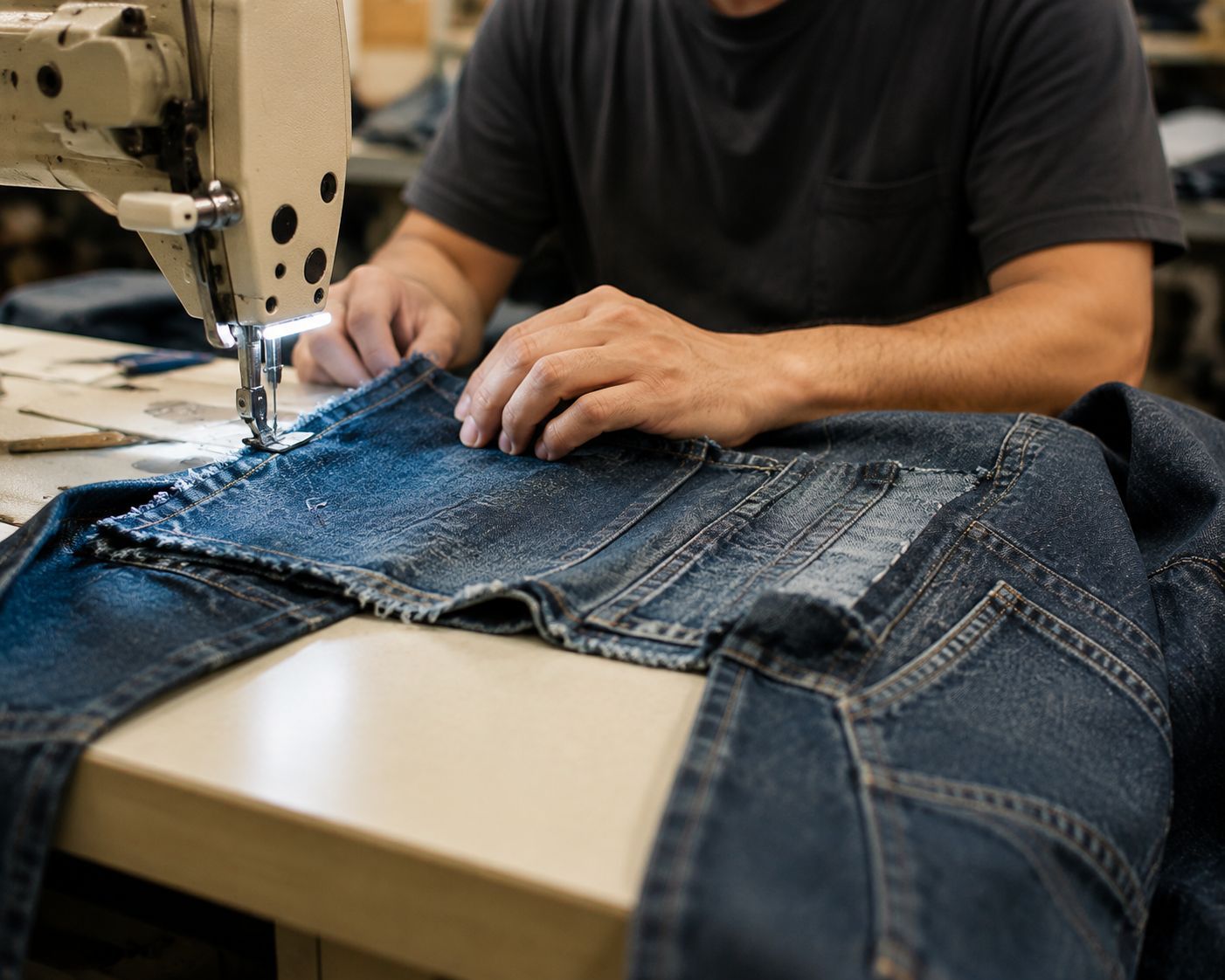
There is something surprisingly emotional about a denim skirt that almost fits perfectly—but not quite. Maybe it sits a little too long on the knee, making the silhouette feel outdated. Or maybe you bought it online, and everything is right except the length. In today’s fashion world, especially with the rise of online shopping and second-hand denim, alteration has become just as important as buying itself. People are no longer asking only “Should I buy this skirt?” but also “Can I fix this skirt to make it perfect?”
At first glance, shortening a jean skirt looks simple. It feels like just a straight cut and a new hem. But once you talk to professional tailors, you quickly realize it is a technical process influenced by fabric weight, stitch structure, wash treatment, and even the original design intention of the garment. That is why prices vary so widely—from a quick $10 hemming job to a premium $80 reconstruction for designer denim pieces.
The cost to shorten a jean skirt typically ranges from $10 to $80 in the US. Basic hemming at a dry cleaner usually costs $10–$25, while professional tailoring shops charge $25–$50. Premium or designer denim skirts with original hem preservation, distressing, or complex construction can cost $50–$80 or more. The final price depends on fabric thickness, design complexity, and stitching requirements.
But here is the interesting part—what most people don’t realize is that a simple alteration can completely change how a skirt “feels” on the body. One inch can transform it from casual and heavy to modern and sharp. And in the world of denim manufacturing and customization, this small adjustment is actually a form of design refinement that brands use to reposition entire collections. Let’s go deeper into what you are really paying for.
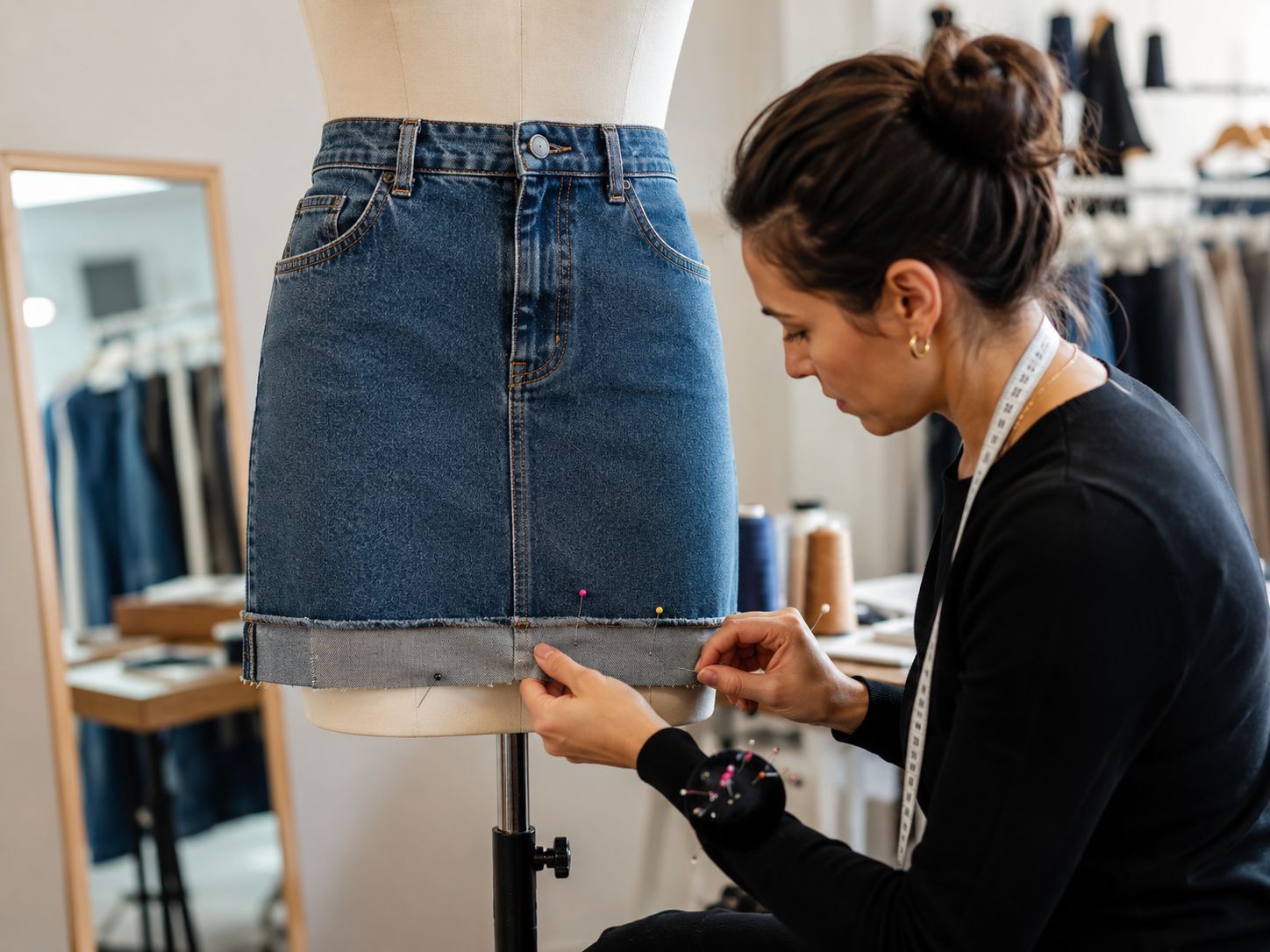
How much does it cost to shorten a jean skirt? (Average tailoring prices explained)
Shortening a jean skirt typically costs between $10 and $80 depending on where you go and the complexity of the garment. Dry cleaners offer cheaper basic hemming, while professional tailors charge more for precise work, especially if the original hem or distressed details must be preserved. Denim skirts generally cost more than regular skirts due to thicker fabric and heavier stitching.
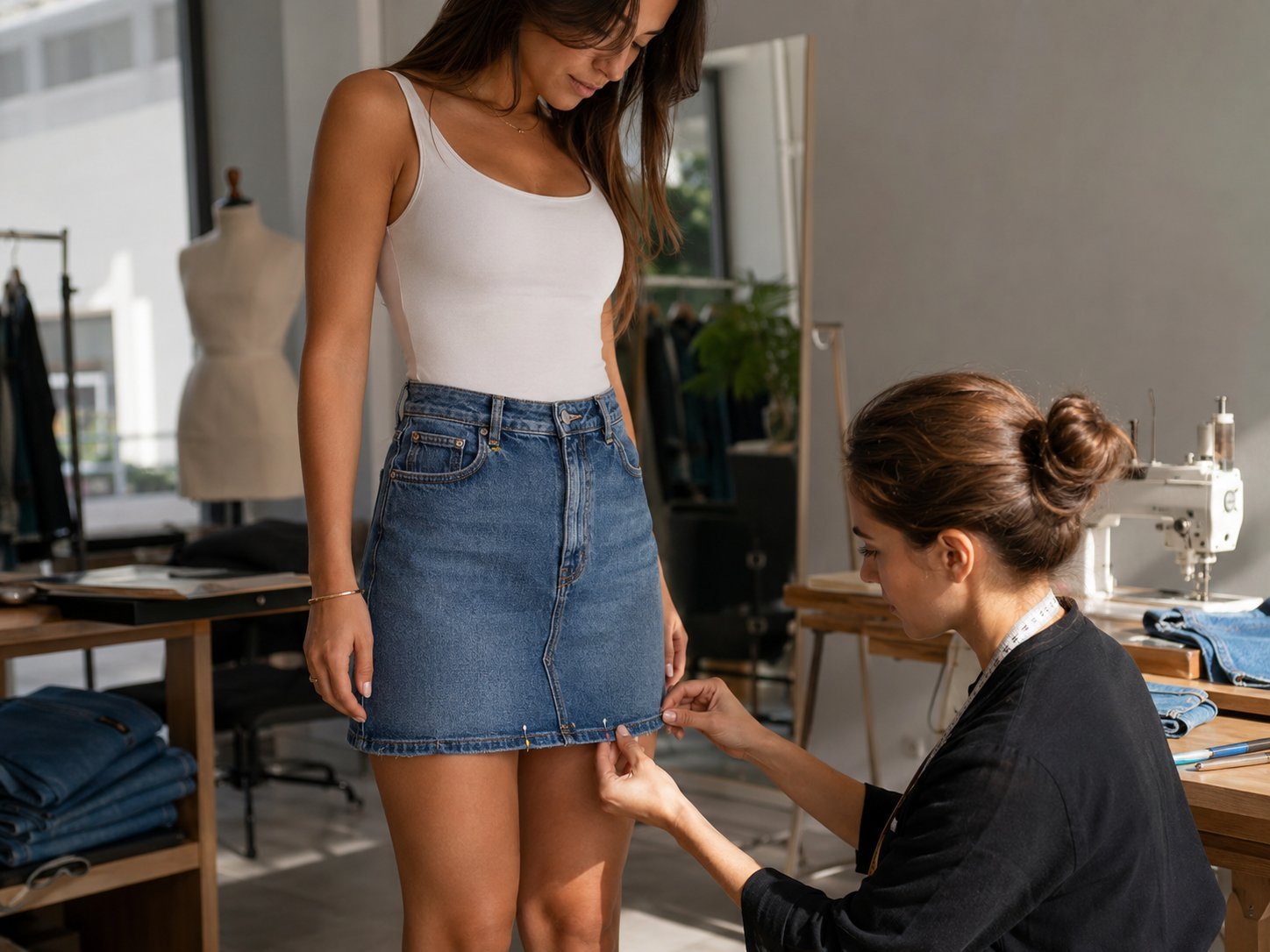
How much does it cost to have a skirt shortened?
Skirt shortening prices vary globally, but in the US market the structure is relatively consistent. A simple woven skirt might cost as low as $10–$20, while denim skirts fall into a higher category due to labor intensity. The key reason is not just fabric thickness—it is construction complexity.
A standard skirt hem involves:
Cutting excess length
Folding and pressing
Single-line stitching
However, denim skirts often require:
Chain-stitch or lock-stitch reinforcement
Matching original thread color
Maintaining washed or faded hem aesthetics
| Price Range | Complexity Level |
| $10–$25 | Low |
$20–$50 | Medium |
$40–$80 | High |
What many consumers underestimate is that labor cost is not linear with time. A skilled tailor may spend 10 minutes on a simple cotton skirt but over 45 minutes reconstructing denim hems correctly. That time difference is what drives pricing.
How much does it cost to get a jean skirt hemmed?
Jean skirt hemming is slightly more specialized than general skirt shortening. The denim category introduces challenges that directly influence pricing:
Fabric Density
Denim is tightly woven cotton. Cutting and re-stitching requires stronger machines and sharper tools. This increases both labor time and machine wear cost.
Original Hem Preservation
Modern consumers often want to keep the “factory hem” look. This requires the tailor to detach, reposition, and reattach the original hemline—significantly more complex than simple cutting.
Wash Effect Matching
If the skirt has stone wash, acid wash, or fade gradients, shortening can disrupt visual balance. Tailors may need to recreate fading patterns manually.
Regional Price Variation
In cities like New York or Los Angeles, hemming denim skirts can cost $30–$60 due to higher labor costs, while smaller cities may charge closer to $15–$30.
Ultimately, hemming a jean skirt is not just alteration—it is micro-restoration work that blends tailoring with garment engineering.
What factors affect the cost of shortening a denim skirt?
The cost of shortening a denim skirt depends on fabric weight, stitching complexity, design details, and whether original finishing must be preserved. Distressed hems, embroidery, or thick raw denim increase labor time and price. The more fashion details and structural elements a skirt has, the higher the alteration cost becomes.

Why does denim fabric increase alteration cost?
Denim is fundamentally different from standard fabrics. It is not just thicker—it behaves differently under tension and stitching. This creates multiple cost-driving factors:
Requires industrial-grade needles
Produces higher machine resistance
Needs reinforced stitching to avoid seam failure
From a tailoring perspective, denim behaves like a semi-rigid material. Unlike cotton jersey or polyester blends, it does not “give” easily when folded. This makes precision cutting essential.
Additionally, denim alteration often involves secondary finishing such as:
Steam pressing to reshape structure
Edge reinforcement to prevent fraying
Color balancing after washing or cutting
These steps are invisible to the customer but directly impact labor cost.
Does skirt design complexity affect pricing?
Absolutely—and sometimes more than fabric itself. A plain denim skirt may be simple, but modern fashion denim often includes:
Raw hem edges
Distressed rips
Embroidery or patchwork
Asymmetrical cuts
Panel construction
Each of these elements changes the alteration workflow.
For example, a distressed hem cannot simply be cut and stitched. The tailor must reconstruct the “intentional damage,” which is both artistic and technical. Similarly, embroidered sections may need to be removed and repositioned to maintain symmetry.
In premium fashion manufacturing (such as boutique streetwear brands), alteration is treated almost like mini-production. This is where factories like DiZNEW often operate—rebuilding garments rather than simply fixing them.
Can you shorten a jean skirt without ruining the original style?
Yes, a jean skirt can usually be shortened without ruining its style if done professionally. Skilled tailors can preserve original hems, fading, and proportions. However, heavily distressed or asymmetrical designs may change slightly depending on how much length is removed. Proper denim reconstruction ensures the garment still looks natural and balanced.

Can you shorten a denim skirt and keep the original hem?
This is one of the most requested alteration techniques today. Keeping the original hem is important because it preserves the “factory-made” authenticity of denim.
The process typically involves:
Carefully removing original hem stitching
Cutting excess length above hem line
Reattaching original hem to new position
This method is widely used in premium tailoring because it maintains:
Original fading gradient
Stitch density pattern
Vintage aesthetic value
However, there is a limitation: if too much length is removed, the original hem cannot be reused due to structural mismatch. In such cases, tailors must recreate a “fake original hem,” which increases complexity and cost.
What happens if the original style cannot be preserved?
When original styling cannot be maintained, the garment enters a reconstruction stage. This is common in:
Heavily distressed skirts
High-fashion asymmetric designs
Multi-panel denim construction
In these cases, tailors must reinterpret the design rather than copy it. This involves:
Rebalancing proportions visually
Adjusting fade distribution
Re-stitching seams for symmetry
Interestingly, some consumers prefer the “reinterpreted” version because it can look more modern or tailored. However, others feel it loses authenticity. This is why communication with the tailor is essential before alteration begins.
How long does it take to shorten a jean skirt?
Shortening a jean skirt usually takes 1–3 days in most tailoring shops. Simple hemming may be completed the same day, while complex denim reconstruction or designer garments may take longer. Time depends on workload, stitching complexity, and whether original finishing must be preserved.
Standard vs express tailoring turnaround time
Turnaround time depends heavily on service type:
Dry cleaners: same day to 2 days
Independent tailors: 2–3 days
Premium studios: 3–7 days
Express services exist in major cities, but they usually only apply to simple hems.
What causes delays in denim skirt alterations?
Delays typically occur due to:
High seasonal demand (back-to-school, fashion seasons)
Complex distress reconstruction
Machine availability for heavy denim
Rework due to wash mismatch issues
Denim is not a “fast fabric.” Even minor mistakes require correction cycles, which extend timelines.
Is it worth shortening a jean skirt or buying a new one?
Shortening a jean skirt is worth it when the garment is high quality or expensive, as alteration costs are usually much lower than replacement. For fast fashion items, buying new may be cheaper. Alteration also supports sustainability by extending garment life and reducing textile waste.

Can I get a skirt altered to be smaller instead of just shorter?
Yes, but this is significantly more complex than hemming. Reducing size involves:
Waist adjustment
Hip reshaping
Side seam reconstruction
Unlike shortening, which affects only length, resizing changes the garment’s entire structure. This often requires deconstruction and full reassembly, which can cost 2–3 times more than hemming.
When is alteration more cost-effective than buying new?
Alteration is usually more cost-effective when:
The skirt costs over $80–$100
The denim is premium or designer grade
The design is difficult to replace
The fit is almost perfect already
Buying new is better when:
The skirt is under $30–$40
Fabric quality is low
Multiple adjustments are needed
From a sustainability perspective, altering denim is also becoming a fashion trend. Consumers increasingly prefer repairing and customizing rather than discarding garments.
Final Thoughts + How DiZNEW Can Help You Customize Denim
In today’s denim market, alteration and customization are no longer separate from production—they are part of the same ecosystem. Whether it is shortening a jean skirt, adjusting fit, or recreating an entire design, the real value lies in craftsmanship and precision.
At DiZNEW, we go beyond simple manufacturing. As a denim factory with over 20 years of experience, we support brands, designers, and online boutiques with:
Custom denim skirts, jeans, jackets, shorts, and shirts
Low MOQ starting from 30 pieces
Complex wash and finishing techniques
OEM & ODM production from sketch to finished garment
High-end denim development for US and EU brands
If you are a designer or brand owner looking to create or modify denim products with professional-level finishing, we can support both small batch testing and large-scale production up to 10,000+ units.
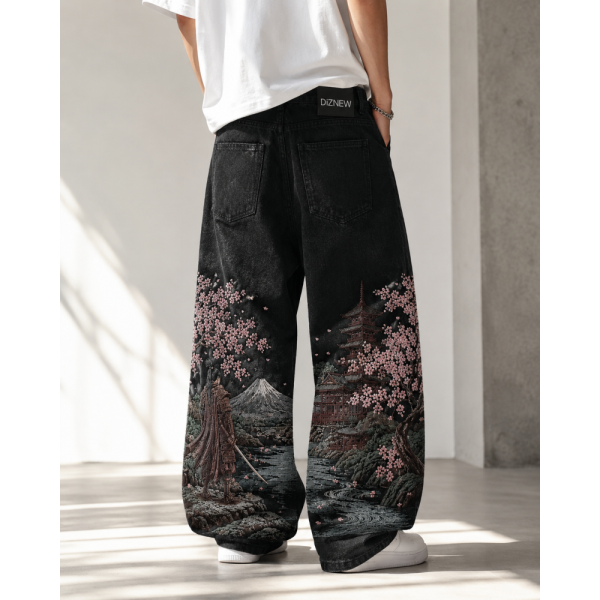
Premium wide-leg denim jeans featuring a vintage washed black finish, detailed Japanese landscape artwork, embroidery-style decoration, and custom brand label options. Designed for streetwear brands, designer labels, and private label collections looking for statement denim with strong visual storytelling.
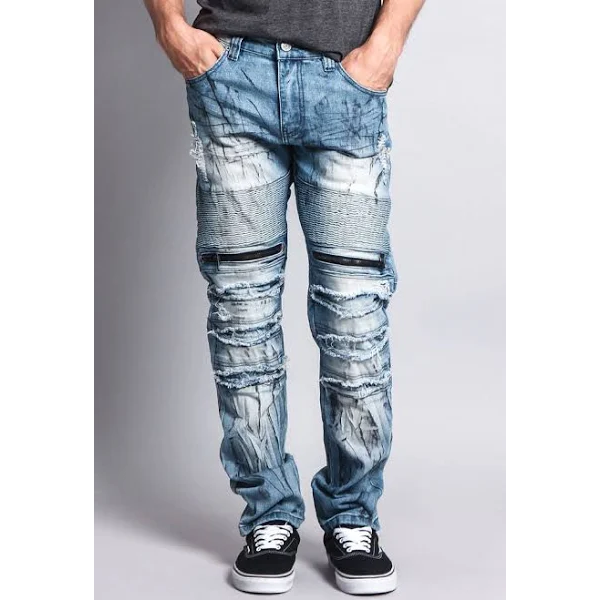
OEM & ODM Drop Crotch Jeans for Women - Tailored denim solutions designed for brands seeking unique styles and quality.
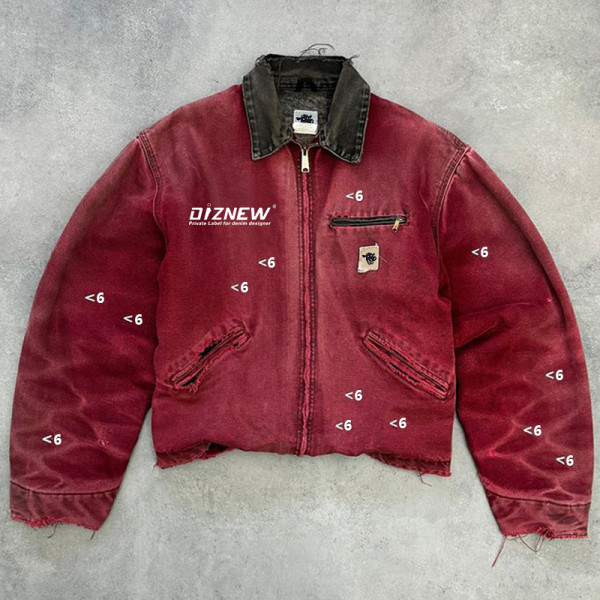
Discover this unique washed red canvas jacket featuring distressed details and vintage workwear aesthetics, perfect for bold fashion statements.
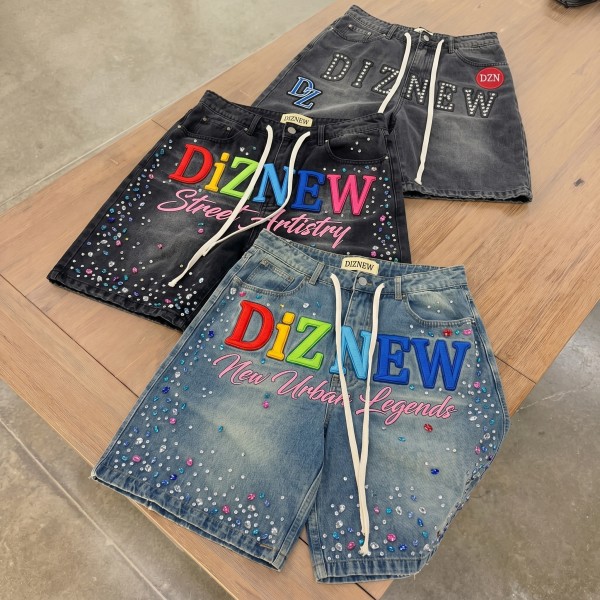
Custom Rhinestone Logo Denim Shorts: Wholesale supply direct. We manufacture premium embroidered baggy jean shorts for brands.