How long can good quality denim jeans last for?
- Share
- publisher
- Jimy
- Issue Time
- Jul 8,2026
Summary
earn how long premium jeans last. Our B2B factory ensures maximum durability through expert fabric sourcing, advanced washing, and strict QC.
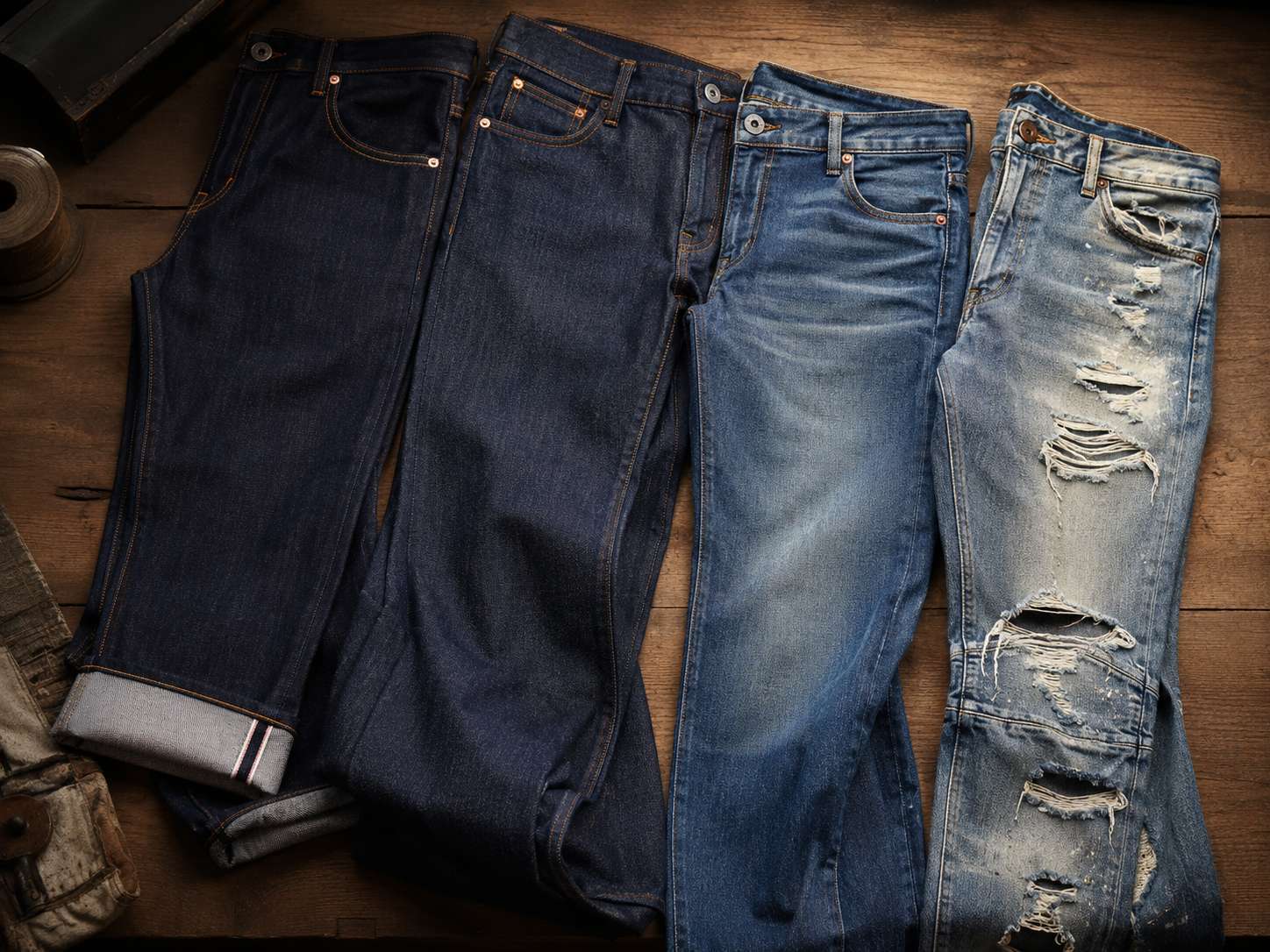
Most people buy jeans expecting them to last for years, but the reality is very different. Some pairs lose their shape after a few washes, develop holes within months, or start looking worn out before they ever feel comfortable. Meanwhile, some premium denim jeans are still being worn after 10, 20, or even 30 years, developing unique fading patterns and becoming more valuable with age.
So, what creates this huge difference?
The answer is not simply the price tag. A $200 pair of jeans is not automatically better than a $50 pair. The real difference comes from the denim fabric, yarn quality, garment construction, washing process, stitching techniques, and how the jeans are designed for long-term wear.
For consumers, understanding denim durability helps them make smarter buying decisions. For fashion designers and clothing brands, understanding these factors is even more important because the quality of a denim product directly affects customer satisfaction, repeat purchases, and brand reputation.
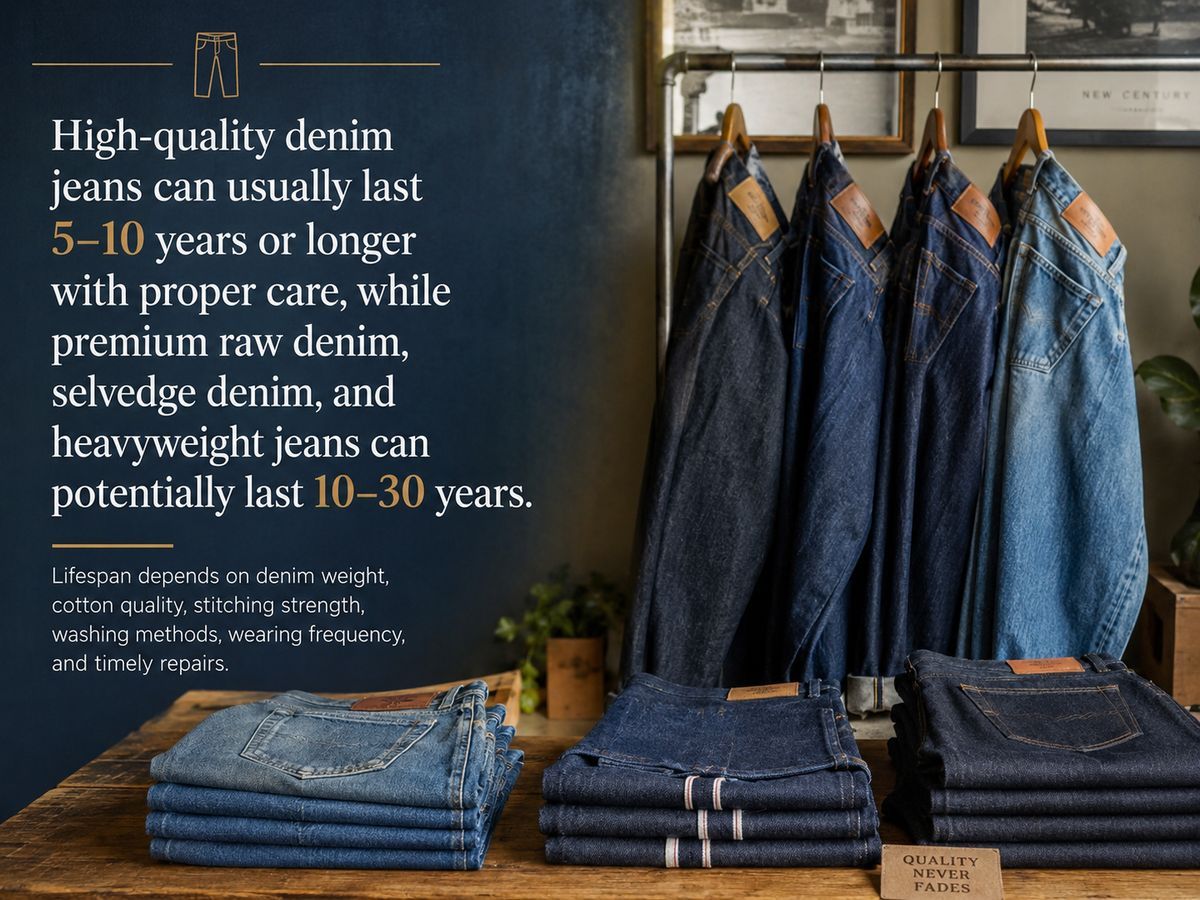
High-quality denim jeans can usually last 5–10 years or longer with proper care, while premium raw denim, selvedge denim, and heavyweight jeans can potentially last 10–30 years. Their lifespan depends on denim weight, cotton quality, stitching strength, washing methods, wearing frequency, and whether repairs are made when needed.
A pair of jeans is not just a piece of clothing. It is something that follows people through daily life — commuting, traveling, working, creating memories, and adapting to their body over time. The best denim does not simply survive years of wear; it becomes more personal with every fade, crease, and mark.
But why do some jeans become lifelong companions while others quickly become disposable? To understand that, we need to look deeper into what actually determines denim lifespan.
How Long Can Good Quality Denim Jeans Last For?
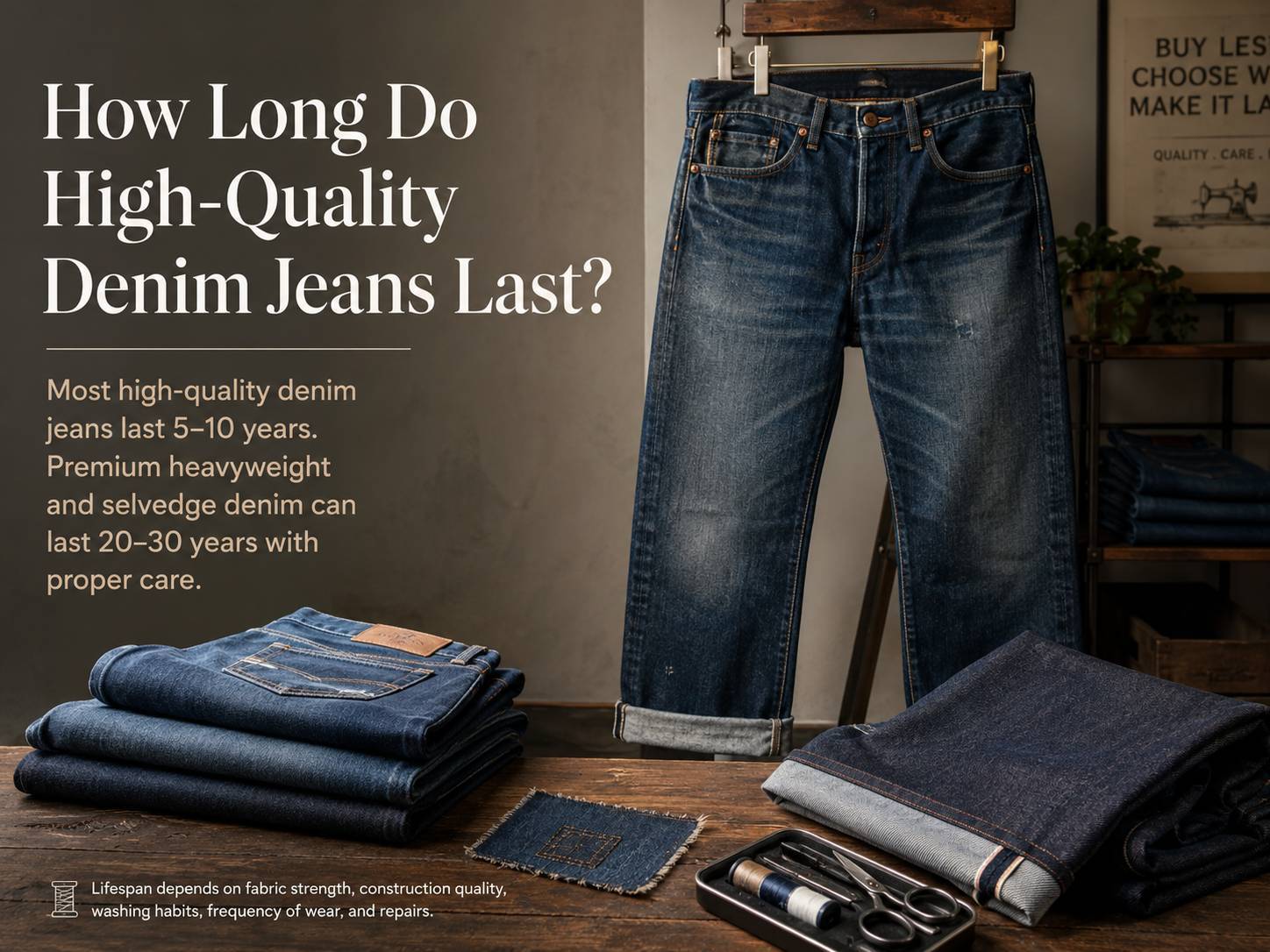
High-quality denim jeans typically last between 5 and 10 years, but premium heavyweight denim and selvedge jeans can last much longer — sometimes 20 to 30 years when properly maintained. The actual lifespan depends on fabric strength, construction quality, washing habits, frequency of wear, and repair practices.
What Is the Lifespan of Denim Jeans?
When people ask “How long should jeans last?”, they often expect one simple number. However, denim lifespan is not determined by time alone. A person wearing the same jeans every day will experience completely different results compared with someone rotating five different pairs throughout the year.
The lifespan of denim is affected by several key factors:
| Denim Type | Average Lifespan | Main Characteristics |
| Fast fashion jeans | 6 months – 2 years | Lower-cost fabric, lighter construction |
| Mid-range denim | 2 – 5 years | Better fabric and improved sewing quality |
| Premium denim jeans | 5 – 10+ years | Stronger materials and better craftsmanship |
Raw / Selvedge denim | 10 – 30 years possible | Dense fabric structure, repair-friendly |
Many consumers assume that jeans eventually fail because the denim fabric becomes weak everywhere. In reality, most jeans fail at specific stress points first:
The crotch area due to repeated friction
Inner thighs caused by walking movement
Knees from bending and stretching
Pocket corners from pulling and daily use
Seams from insufficient reinforcement
This is why two jeans made from similar denim fabric can have completely different lifespans. The difference often comes from pattern engineering and manufacturing experience.
A well-designed pair of jeans distributes pressure across the garment. A poorly designed pair concentrates stress in small areas, causing early damage.
Can Jeans Last 30 Years?
Yes, jeans can last 30 years, but not every pair is designed for that level of durability.
Thirty-year-old jeans usually share several characteristics:
High-quality denim fabric
Older premium denim often used dense cotton construction with strong yarns. Heavyweight denim between 14oz and 16oz is especially known for excellent abrasion resistance.
Simple and durable construction
Classic five-pocket jeans often last longer because their structure is practical and proven over decades.
Proper maintenance
Professional repairs
This is why vintage denim collectors often value older jeans. The jeans are not valuable because they look new. They are valuable because they show history.
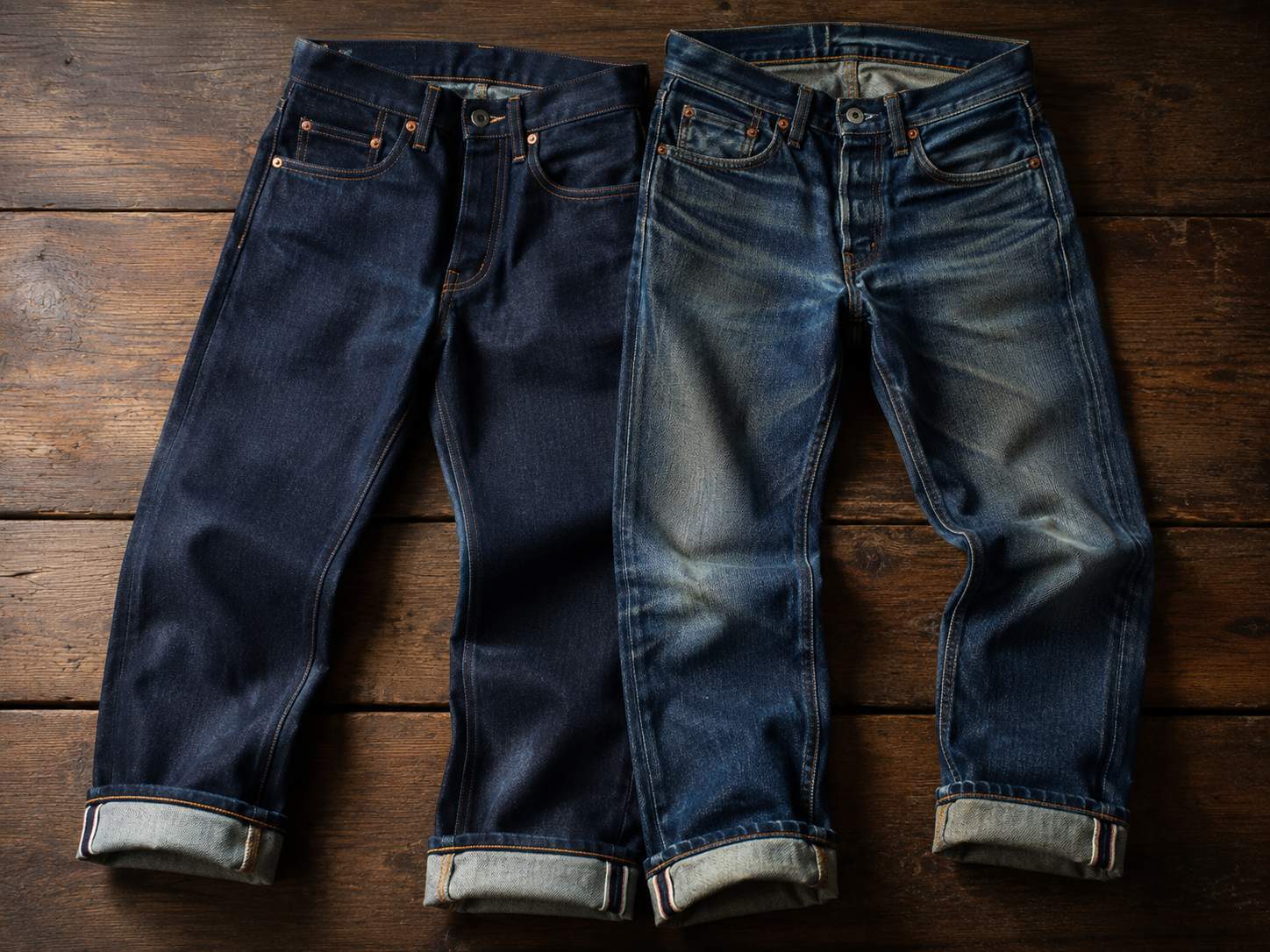
A pair of raw denim jeans may start stiff and uncomfortable when new. After thousands of hours of wear, the fabric gradually adapts to the owner's body. The fades around the knees, wallet area, and thighs become completely unique.
This personal aging process is one reason why premium denim has a strong emotional connection with consumers.
TitlWhy Premium Denim Ages Instead of Simply Wearing Oute
Cheap jeans are usually designed around immediate appearance:
Fast color effects
Low production cost
Trend-driven designs
Short replacement cycles
Premium denim takes a different approach. The goal is not only how jeans look on day one, but how they perform after months and years of use.
For example:
A premium denim brand may invest more time into:
Selecting better cotton fibers
Testing fabric shrinkage
Developing stable washing formulas
Reinforcing weak areas
Improving pattern fitting
The result is denim that changes gradually instead of breaking suddenly.
This is especially important for brands creating premium streetwear, designer denim, and boutique collections. Customers purchasing higher-priced jeans expect more than a fashionable appearance. They expect the product to maintain its shape, comfort, and identity.
A well-made pair of jeans creates customer loyalty because people remember products that become part of their lifestyle.
What Makes High Quality Denim Jeans Last Longer Than Cheap Jeans?
High-quality denim jeans last longer because they combine stronger fabrics, better stitching, durable hardware, and precise manufacturing processes. The quality of cotton, denim weight, sewing methods, and washing techniques directly influence how well jeans resist tearing, stretching, fading, and shape loss over time.
Why Does Denim Quality Matter More Than Price?
Many people believe expensive jeans automatically last longer, but price alone is not the deciding factor.
The real question is:
What is inside the product?
A premium denim product is usually the result of many small technical decisions made during development.
For example:
A designer chooses a fabric.
A pattern maker adjusts the fit.
A factory controls sewing tension.
A washing team develops the final appearance.
Every step affects durability.
Two jeans may look almost identical on a product page, but after six months of wear, the difference becomes obvious.
One keeps its shape.
One stretches out.
One develops beautiful fading.
One looks tired.
The difference is manufacturing quality.
How Denim Fabric Determines Durability
The foundation of every pair of jeans is the denim fabric itself. No matter how skilled the sewing process is, a weak fabric structure will limit the final lifespan of the product.
When developing premium denim, brands usually consider several important fabric factors:
1. Denim Weight: Why Heavier Denim Usually Lasts Longer
Denim weight is measured in ounces per square yard (oz). Generally speaking, heavier denim contains more yarn and creates a denser fabric structure.
| Denim Weight | Typical Usage | Durability Level |
| 8–11 oz | Lightweight summer jeans, fashion denim | Moderate |
| 12–14 oz | Everyday premium jeans | High |
| 15–18 oz+ | Heavyweight, heritage, selvedge denim | Very High |
However, heavier does not always mean better.
A lightweight denim with excellent cotton quality and proper construction can outperform a poorly made heavyweight jean.
The goal is balance.
For example, a streetwear brand creating oversized baggy jeans may choose 13–14oz denim because it provides:
Strong structure
Better drape
Comfortable movement
Premium appearance
A heritage denim brand focusing on raw denim may choose 15oz+ fabric because customers expect a stronger aging experience.
The correct fabric depends on the product positioning, target customer, and design purpose.
2. Cotton Quality and Yarn Strength
The quality of cotton fibers directly affects how denim behaves over time.
Higher-quality cotton generally provides:
Better tensile strength
More consistent yarn structure
Improved comfort
More attractive fading
Cheap denim often uses lower-quality fibers or weaker yarns to reduce costs. These fabrics may look acceptable when new but can quickly lose:
Shape retention
Surface stability
Color depth
Premium denim manufacturers carefully select fabrics based on the customer's requirements.
For example:
A luxury streetwear brand may prioritize:
Heavy texture
Strong fading contrast
Structured silhouette
A contemporary fashion brand may prioritize:
Soft hand feel
Comfort stretch
Easy daily wear
The “best” denim depends on what the customer expects from the product.
What Construction Details Help Jeans Last Longer?
Fabric is only one part of durability.
A strong denim product requires equally strong construction.
Small details that consumers rarely notice often determine whether jeans survive years of wear.
Reinforced Stress Areas
Certain areas of jeans experience significantly more pressure than others.
Professional denim manufacturers pay special attention to:
Crotch Construction
The crotch receives constant friction from walking, sitting, and movement.
Poor construction can lead to:
Fabric thinning
Seam splitting
Early tearing
Better approaches include:
Stronger stitching density
Proper pattern adjustment
Reinforcement techniques
Pocket and Belt Loop Reinforcement
Pocket corners and belt loops experience repeated pulling forces.
For example:
Carrying a wallet
Pulling jeans upward
Attaching belts
Daily movement
High-quality jeans often include reinforced stitching in these areas to prevent early failure.
Why Stitching Quality Matters
A pair of jeans contains hundreds of meters of stitching.
The thread type, stitch density, and sewing method all affect durability.
Important construction techniques include:
Chain Stitching
Often used in premium denim because it provides:
Flexibility
Strong seam structure
Classic denim appearance
Double Stitching
Creates additional strength in high-pressure areas.
Reinforced Bartack Stitching
Small but powerful reinforcement points prevent tearing around:
Pocket corners
Belt loops
Fly areas
These details are especially important for brands producing premium denim collections because customers notice quality through long-term use.
How Professional Denim Manufacturing Improves Lifespan
Creating durable jeans is not only about choosing good materials.
It requires a complete production system.
Professional denim manufacturers typically control:
Fabric Testing
Before production begins, factories evaluate:
Shrinkage rate
Color fastness
Fabric strength
Stretch recovery
Wash performance
This prevents unexpected problems after bulk production.
Wash Development
The washing process can dramatically affect durability.
A beautiful wash does not automatically mean a high-quality product.
Poor washing control can damage cotton fibers through:
Excessive chemical treatment
Over-processing
Aggressive abrasion
Experienced denim factories balance visual appearance with fabric performance.
For example, a heavily distressed streetwear jean requires careful engineering to achieve:
Authentic vintage appearance
Controlled damaged areas
Enough remaining fabric strength
The challenge is creating a garment that looks aged but still performs well.
Quality Control During Production
A professional denim production system checks:
Measurement accuracy
Stitching consistency
Wash color matching
Hardware attachment
Final garment appearance
For brands, this matters because inconsistent quality can create:
Customer complaints
Returns
Negative reviews
Brand reputation damage
A denim manufacturer is not only producing jeans; it is helping protect the brand identity behind those jeans.
How Many Years Should Different Types of Denim Jeans Last?
Different denim styles have different lifespans. Selvedge denim, heavyweight straight jeans, and classic five-pocket jeans generally last the longest because of their strong fabric structure and balanced designs. Fashion styles with extreme distressing, tight fits, or complex treatments may require more advanced construction to maintain durability.
Which Types of Jeans Are the Most Durable?
Not all jeans are designed for the same purpose.
A workwear-inspired jean and a fashion-forward runway denim piece may use completely different approaches.
The most durable denim styles usually include:
| Jean Style | Expected Lifespan | Why |
| Selvedge jeans | 10–20+ years | Dense weave and premium construction |
| Straight jeans | 5–10+ years | Balanced fit with less fabric stress |
| Heavyweight jeans | 10+ years | Strong abrasion resistance |
Baggy jeans | 5–10 years | Relaxed fit reduces tension |
Skinny jeans | 2–5 years | Higher stress from tight fit |
Distressed fashion jeans | Depends on treatment | Design complexity affects durability |
Why Selvedge Denim Jeans Often Last the Longest
Selvedge denim has developed a reputation among denim enthusiasts because of its traditional weaving method.
Unlike many modern denim fabrics produced at high speed, selvedge denim is traditionally made using shuttle looms.
This creates:
Tighter fabric edges
Dense construction
Unique texture
Premium aging characteristics
However, selvedge denim is not automatically superior in every situation.
For example:
A streetwear customer who prefers oversized stacked jeans may value:
Fabric movement
Silhouette
Wash effect
More than traditional weaving techniques.
The best denim choice depends on the brand identity.
How Different Fits Affect Denim Lifespan
Skinny Jeans
Skinny jeans create more tension because the fabric is stretched closer to the body.
Common wear areas:
Inner thighs
Knees
Seat area
To improve durability, manufacturers often need:
Stronger stretch denim
Better recovery fibers
Improved pattern fitting
Baggy Jeans
Baggy jeans have become extremely popular in streetwear markets.
Their relaxed shape can actually reduce stress because the fabric has more freedom of movement.
However, durability depends on:
Fabric weight
Pattern balance
Pocket construction
Bottom opening design
A poorly designed baggy jean may look oversized but create unwanted pulling points.
Stacked Jeans
Stacked jeans require careful pattern engineering.
The extra length creates the signature stacking effect, but manufacturers must consider:
Fabric drape
Knee position
Leg opening
Customer movement
A professional denim factory needs to understand both fashion appearance and production reality.
What Brand of Jeans Will Last the Longest?
Consumers often search:
“What brand of jeans will last the longest?”
But the more accurate question is:
What manufacturing standards does the brand follow?
A famous logo does not automatically guarantee durability.
Long-lasting denim brands usually share common characteristics:
High-quality fabric sourcing
Experienced denim development teams
Strong quality control
Reliable manufacturing partners
Long-term product testing
Brands known for durable denim often focus on craftsmanship rather than simply following short-term trends.
For fashion companies developing their own denim collections, choosing the right manufacturing partner is often more important than choosing a famous reference brand.
A skilled OEM/ODM denim manufacturer can help brands develop:
Custom fabrics
Unique washes
Complex distressing
Signature fits
Private label denim products
The final quality depends on the entire development process, from the first design idea to the finished garment.
How Can You Make Your Denim Jeans Last Longer?
To extend the lifespan of denim jeans, wash them less frequently, use cold water, avoid harsh chemicals, air dry instead of using high heat, and repair small damages before they become major problems. Proper care can help premium denim maintain its color, shape, comfort, and strength for many years.
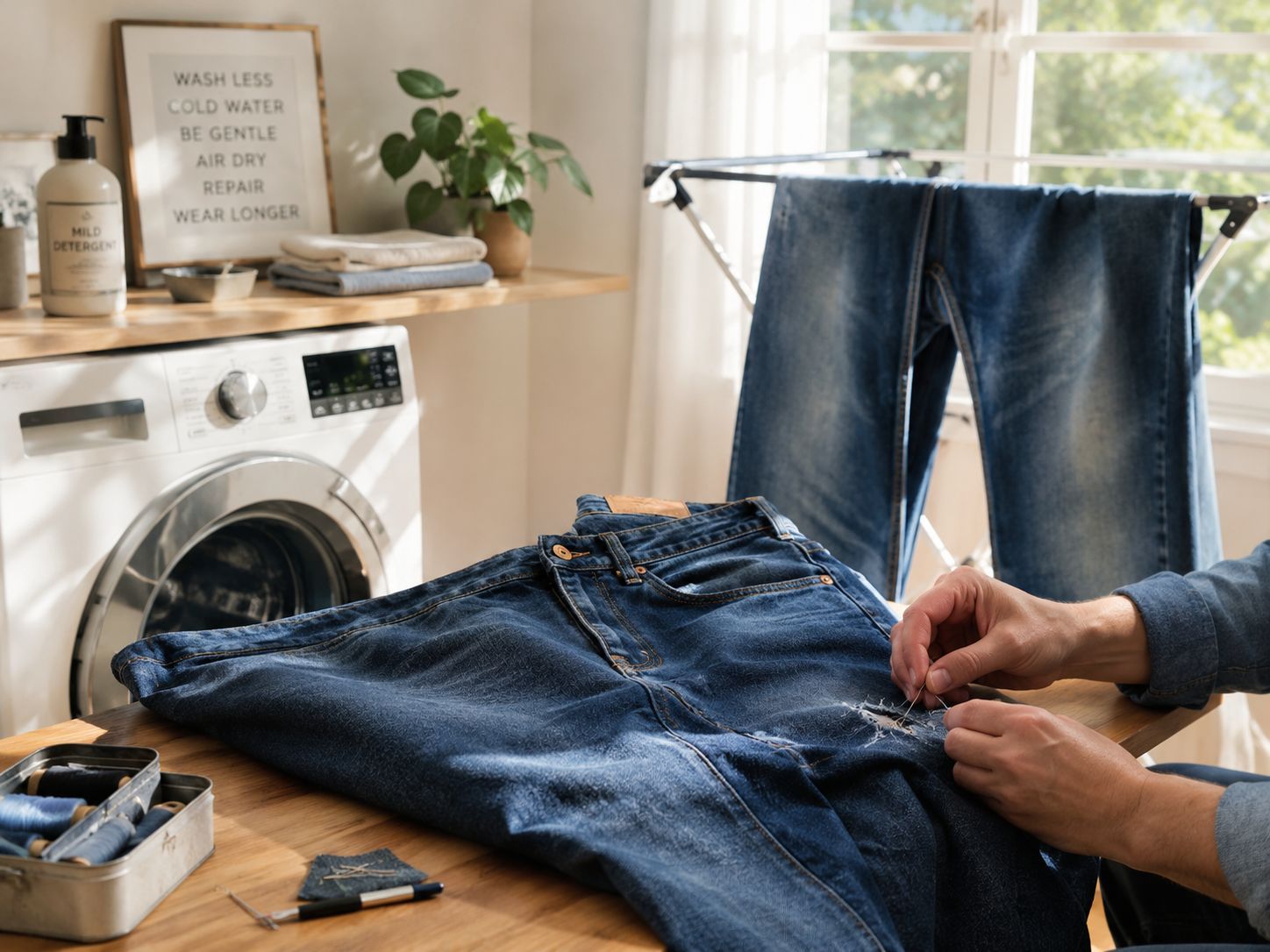
What Is the Best Way to Extend the Life of Jeans?
Buying high-quality denim is only the first step. How jeans are treated after purchase has a major impact on how long they survive.
Many people unknowingly shorten the lifespan of their jeans through daily habits:
Washing too frequently
Using strong detergents
Drying at high temperatures
Ignoring small damages
Wearing the same pair every day without rotation
Even premium denim can be damaged by poor maintenance.
Think of jeans like a high-quality leather product. The material is designed to age, but it still requires proper care.
A well-maintained pair of denim jeans does not simply stay intact longer. It also develops better character over time.
How Often Should You Wash Denim Jeans?
One of the most common questions among denim owners is:
“How often should I wash my jeans?”
The answer depends on the denim type and how frequently they are worn.
| Denim Type | Recommended Washing Frequency |
| Raw denim | Every few months or when necessary |
| Premium denim | Every 10–20 wears |
| Everyday washed jeans | When visibly dirty or after heavy use |
Workwear jeans | More frequent washing due to environment |
Frequent washing is one of the biggest reasons jeans lose their original appearance.
Each wash cycle creates:
Mechanical friction
Fiber stress
Color fading
Potential shrinkage
This does not mean jeans should never be washed.
The goal is balance.
For raw denim enthusiasts, limited washing helps create personalized fading patterns. For everyday consumers, occasional washing maintains hygiene while protecting fabric strength.
The Best Washing and Drying Practices for Long-Lasting Denim
1. Wash Jeans Inside Out
Turning jeans inside out helps protect:
Surface color
Wash effects
Embroidery
Printed details
Distressed areas
This is especially important for premium fashion denim with complex treatments.
2. Use Cold Water
Cold water helps reduce:
Color loss
Fiber damage
Shrinkage
Hot water can accelerate fading and weaken cotton fibers over time.
3. Avoid Strong Chemicals
Products containing bleach or aggressive whitening agents can damage denim structure.
For premium denim, mild detergent is usually enough.
4. Avoid High-Heat Drying
High temperatures can cause:
Cotton shrinkage
Loss of shape
Fabric stress
Air drying is generally the safest option.
How Repairs Can Add Years to Denim Lifespan
A common misunderstanding is that damaged jeans should be replaced immediately.
However, many high-quality jeans are designed to be repaired.
Small problems can often be fixed before they become serious.
Examples include:
| Problem | Repair Solution |
| Small crotch tear | Reinforced stitching or darning |
| Loose belt loop | Restitch reinforcement |
| Broken zipper | Hardware replacement |
Damaged hem | Professional reconstruction |
Small holes | Patch repair |
Historically, denim has always been connected with repair culture.
Workwear jeans were not thrown away after damage. Workers repaired them because the garment still had value.
Today, this idea has returned through:
Sustainable fashion
Vintage denim culture
Premium streetwear
Consumers increasingly appreciate products that improve with age rather than products designed for short-term use.
Why Repairing Denim Supports Sustainable Fashion
The fashion industry produces millions of garments every year, and many products are discarded before they reach the end of their usable life.
Extending the lifespan of jeans creates several benefits:
Less textile waste
Lower replacement costs
Better customer satisfaction
Stronger emotional connection with products
For brands, durability is also becoming a competitive advantage.
A customer who buys a pair of jeans and wears them for five years is more likely to trust that brand again.
This is especially important for premium denim brands and independent designers.
A product that lasts becomes part of the brand story.
Are Expensive Denim Jeans Worth the Investment?
Premium denim jeans are often worth the investment because higher-quality materials and construction allow them to last significantly longer than cheaper alternatives. Although the initial price is higher, durable jeans usually have a lower cost per wear, better comfort, and stronger emotional value over time.
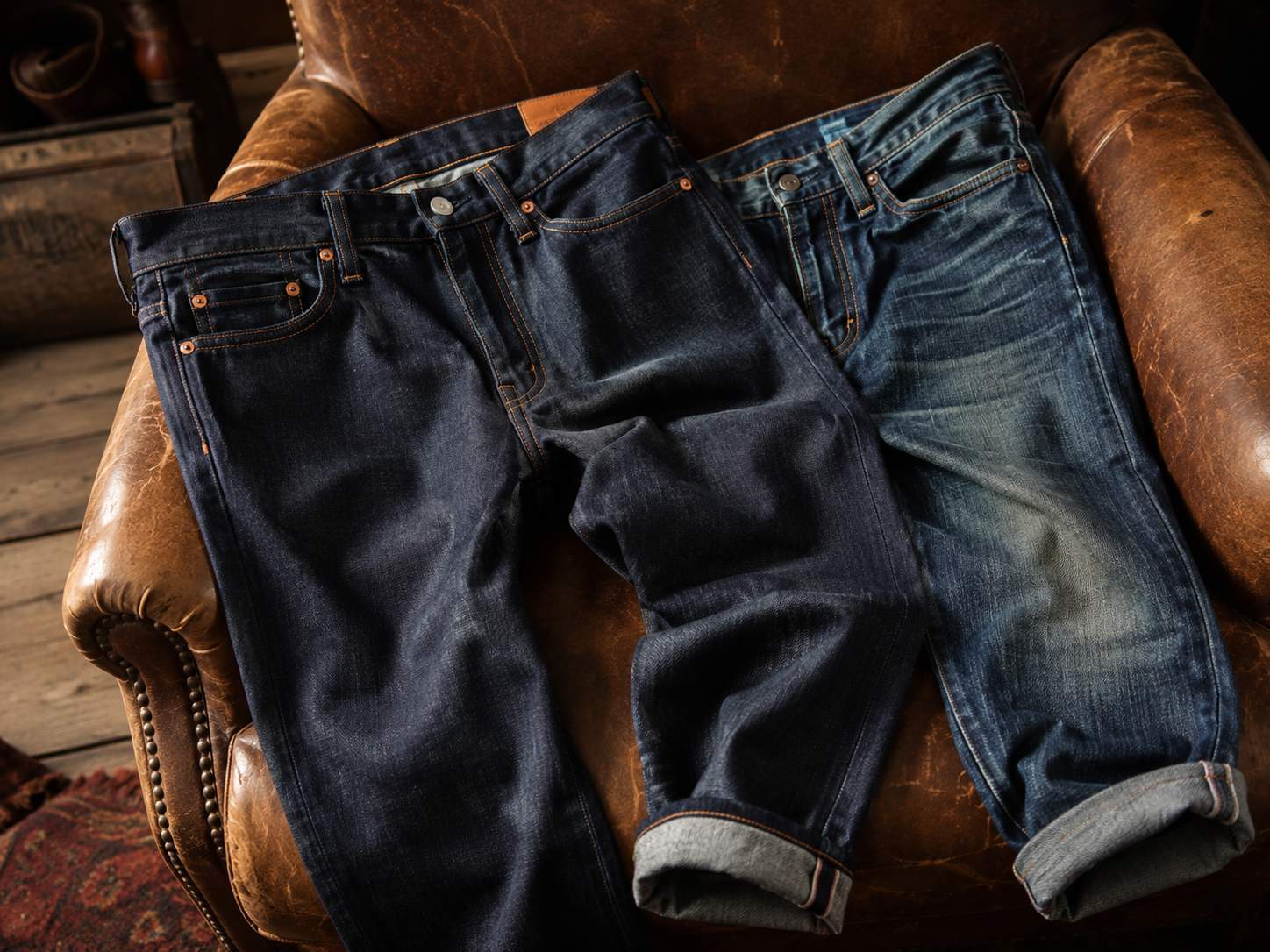
Do Premium Jeans Really Last Longer Than Cheaper Jeans?
The answer is usually yes, but the reason is not simply the price.
Premium jeans cost more because brands invest in:
Better fabrics
More detailed development
More accurate production
Better washing techniques
Stronger quality control
A cheap pair of jeans may cost $40 and last one year.
A premium pair may cost $180 and last eight years.
The second option may actually provide better value.
Cost Per Wear: Why Expensive Jeans Can Be More Affordable
A simple calculation explains why durability matters.
| Jeans Type | Purchase Price | Lifespan | Cost Per Year |
| Low-cost jeans | $40 | 1 year | $40/year |
| Mid-range jeans | $80 | 3 years | $26/year |
| Premium jeans | $200 | 8 years | $25/year |
The cheapest product is not always the most economical.
For consumers, durability creates value.
For brands, durability creates trust.
When customers feel that a product deserves its price, they become more willing to purchase again.
How Sustainable Denim Changes Consumer Buying Decisions
Modern consumers increasingly care about:
Where products are made
How long products last
Whether materials are responsibly selected
Whether the brand focuses on quality
This shift is especially visible in:
Premium streetwear
Designer denim
Boutique fashion
Slow fashion brands
Many customers are moving away from disposable clothing and looking for products with a stronger identity.
A well-made pair of jeans represents more than fabric.
It represents:
Craftsmanship
Design philosophy
Personal style
Long-term value
How Denim Brands Create Long-Term Value Through Manufacturing
For fashion brands, creating durable denim requires more than selecting a trendy design.
The production partner plays a critical role.
A professional denim manufacturer helps transform ideas into reliable products through:
Fabric Development
Helping brands select:
Denim weight
Cotton composition
Stretch percentage
Surface texture
Pattern and Fit Development
Especially for complex styles such as:
Baggy jeans
Stacked jeans
Plus size jeans
Cargo denim
Oversized streetwear denim
The pattern must balance appearance and comfort.
Wash and Finishing Development
Modern denim brands often compete through unique finishing.
Examples:
Vintage wash
Heavy distressing
Hand sanding
Laser fading
PP spray effects
Stone wash
Enzyme wash
The challenge is creating strong visual impact while maintaining garment durability.
Consistent Bulk Production
A successful denim brand cannot rely on one perfect sample.
The real challenge is reproducing the same quality across hundreds or thousands of pieces.
This requires:
Production experience
Quality control systems
Stable washing processes
Skilled workers
FAQ: Common Questions About Denim Jeans Lifespan
How long does it take for denim jeans to degrade?
Denim jeans made from 100% cotton can take many months to years to naturally break down depending on environmental conditions. However, modern denim often contains synthetic fibers, coatings, dyes, or chemical treatments that may slow decomposition. Extending the usable life of jeans through proper care and repair is one of the most effective ways to reduce environmental impact.
Can jeans really last 30 years?
Yes, jeans can last 30 years, but they require premium construction, strong fabric, proper maintenance, and occasional repairs. Vintage denim collectors often preserve jeans for decades because high-quality denim develops unique fading and character instead of simply becoming unusable.
What brand of jeans will last the longest?
The longest-lasting jeans usually come from brands that focus on fabric quality, craftsmanship, and production standards rather than only brand reputation. Consumers should evaluate denim weight, construction details, fabric composition, and manufacturing quality when choosing durable jeans.
What type of denim lasts the longest?
Heavyweight denim, selvedge denim, and well-constructed classic jeans usually have the longest lifespan. However, durability also depends on fit, washing treatment, and manufacturing quality.
Choose an Experienced Denim Manufacturer to Build Long-Lasting Jeans
Creating high-quality denim is not only about making jeans that look attractive in photos.
It is about creating products customers want to wear repeatedly for years.
For fashion designers, boutique owners, and growing clothing brands, the right manufacturing partner can make the difference between a product that receives complaints and a product that builds customer loyalty.
DiZNEW is a professional denim manufacturer with more than 20 years of experience in denim development and production. We support brands with:
Custom denim jeans development
OEM and ODM production
Private label jeans manufacturing
Low MOQ starting from 30 pieces
Bulk production capability up to 10,000+ pieces
Complex denim customization
Heavy distressing and premium wash development
Our experience covers a wide range of denim products, including:
Baggy jeans
Stacked jeans
Straight jeans
Selvedge jeans
Skinny jeans
Plus size jeans
Jogger jeans
Denim jackets
Denim shorts
Denim shirts
Whether you already have a technical design package or only a creative idea, our team can help turn your concept into a production-ready denim product.
If you are looking for a reliable denim factory to develop premium jeans with your own brand logo, unique fit, and custom wash effects, feel free to contact DiZNEW for your next denim project. We can help you build denim products designed not only to sell — but to last.
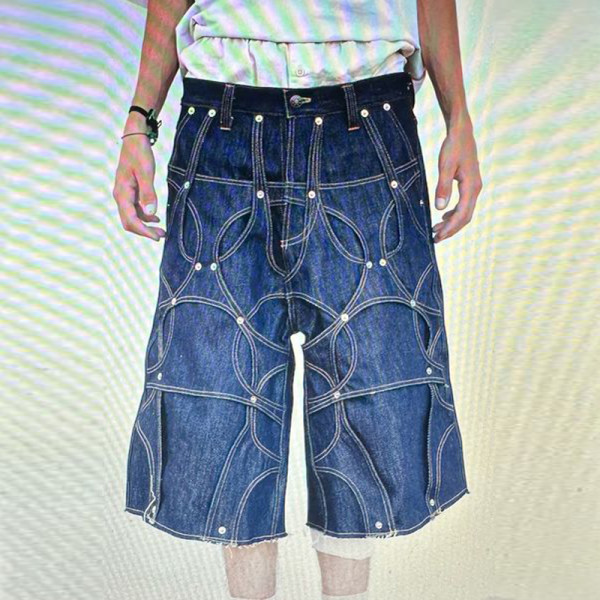
These designer denim shorts for men feature intricate decorative stitching and rivet details, perfect for streetwear fashion. The wide-leg silhouette adds a bold look, ideal for trendsetters.
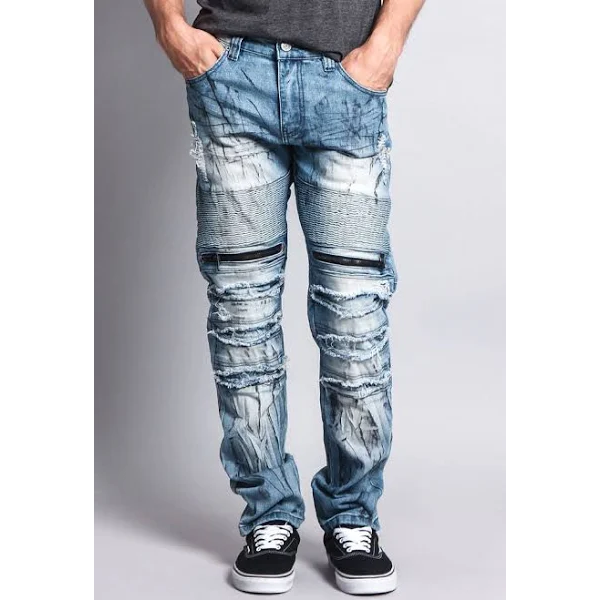
OEM & ODM Drop Crotch Jeans for Women - Tailored denim solutions designed for brands seeking unique styles and quality.
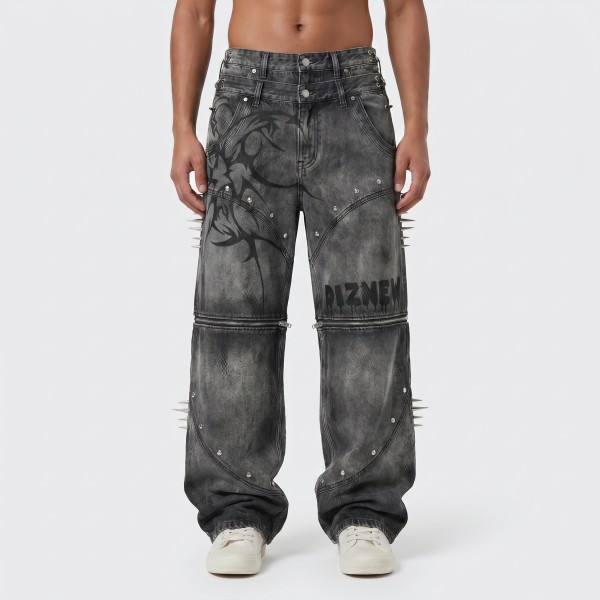
Wholesale Stylish Ash Gray Wide-Leg Denim Trousers. OEM/ODM services for custom designs that elevate your brand's denim collection.
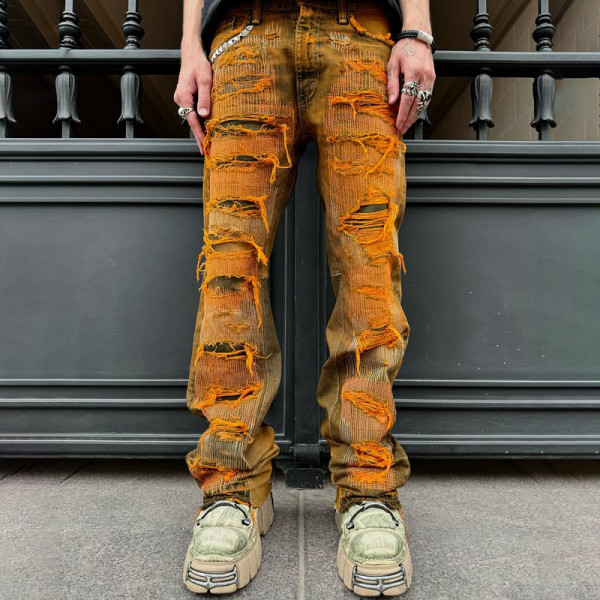
Discover Custom OEM/ODM Mud Yellow Distressed Jeans designed for brands and wholesalers, blending style with top-notch craftsmanship.