How do you wash brand new jeans?
- Share
- publisher
- Jimy
- Issue Time
- Nov 24,2026
Summary
How do you wash brand new jeans? Our B2B denim factory helps wholesale brands perfect industrial washing, colorfastness & custom care labels.
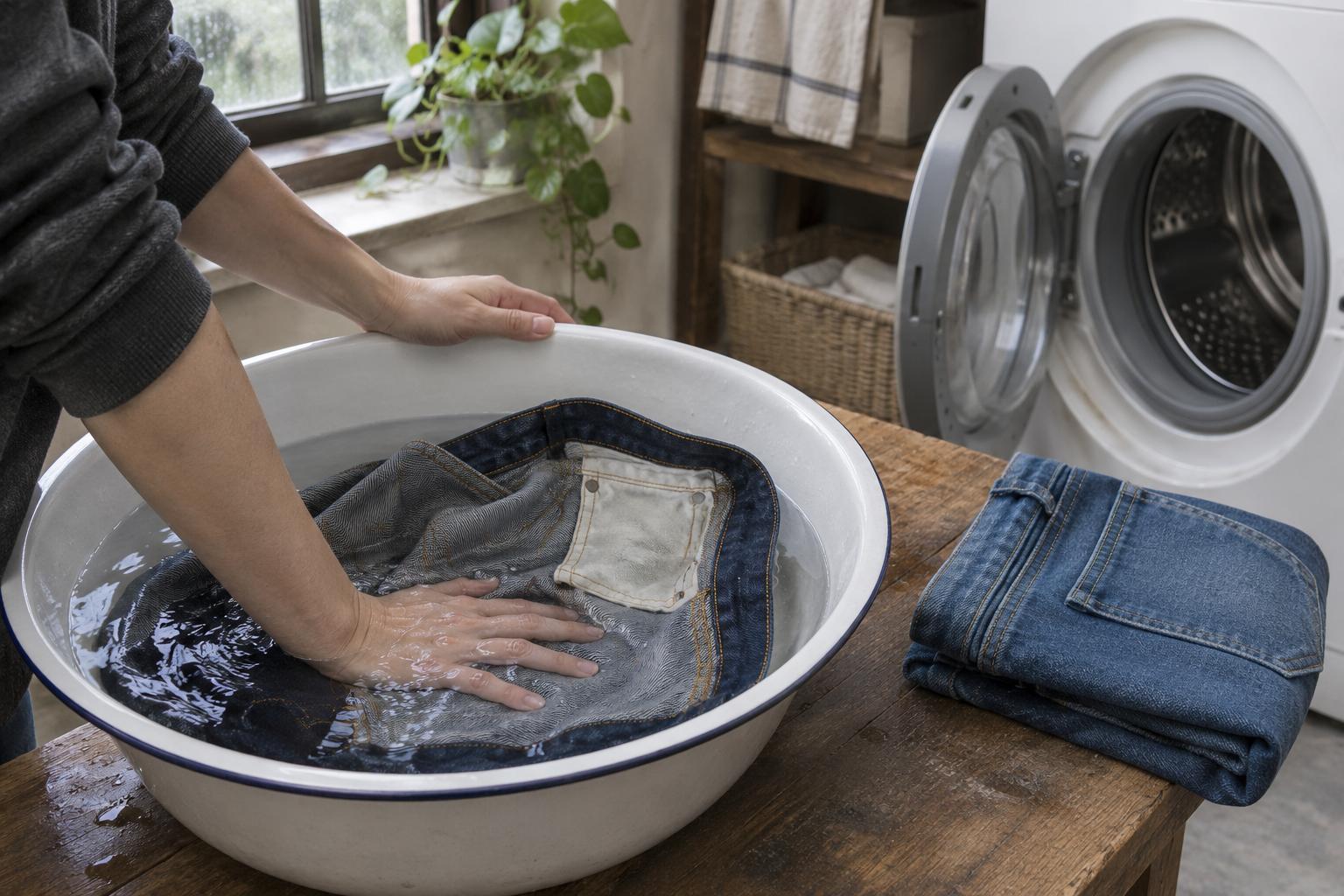
Two pairs of jeans can look almost identical on a store shelf and behave very differently after one wash. A prewashed straight-leg pair may come out feeling much the same. A stiff pair of unsanforized raw jeans can come out shorter, with a waistband that feels tighter than it did in the fitting room. And a deep indigo pair can leave a blue mark on a white shirt even when the jeans themselves still look dark. The first wash is where fabric, finish, and fit meet real life.
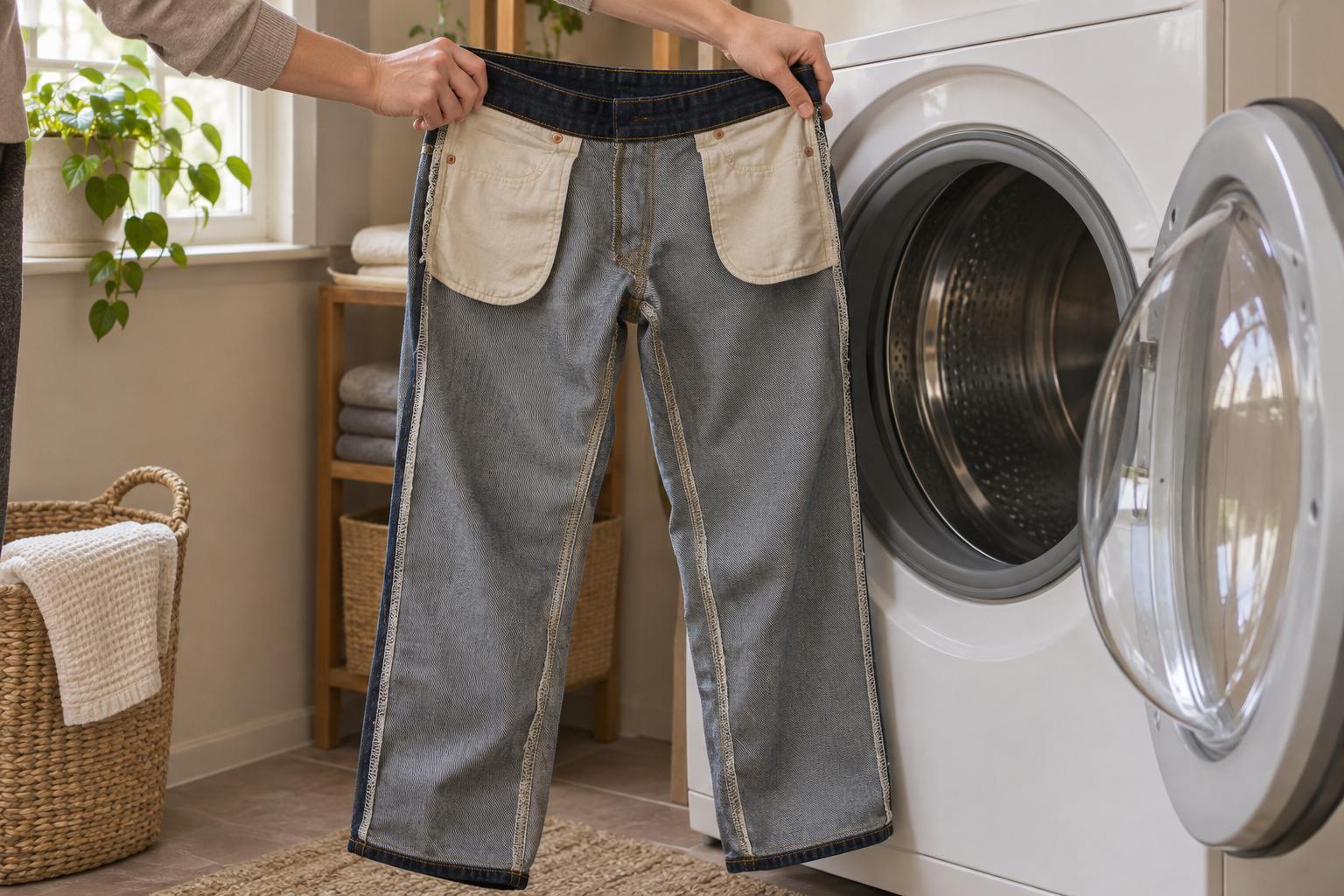
To wash most brand-new jeans for the first time, check the care label, empty the pockets, close the zipper, and turn the jeans inside out. Wash them in cold water with a mild detergent on a gentle cycle, keeping dark pairs separate from other clothes. Air-dry them to limit shrinkage and fading. If your jeans are raw, shrink-to-fit, or heavily embellished, follow the brand’s specific instructions before washing or soaking.
Start by deciding what you want to preserve. On black jeans, it might be the deep, even color. On a stacked fit, it might be the extra inseam that gathers over your shoes. On raw denim, you may want the fabric to soften gradually and develop creases where you actually move. Those goals explain why a quick wash makes sense for one pair and why another deserves a closer look at the label.
Picture buying stacked jeans because the hem lands exactly where you want it over your favorite sneakers. You wash them on Sunday. On Monday, the waist still fits, but the hem sits higher and the stack almost disappears. To understand what happened, start with a decision you can make before the jeans ever go near water.
Should You Wash New Jeans Before Wearing Them?
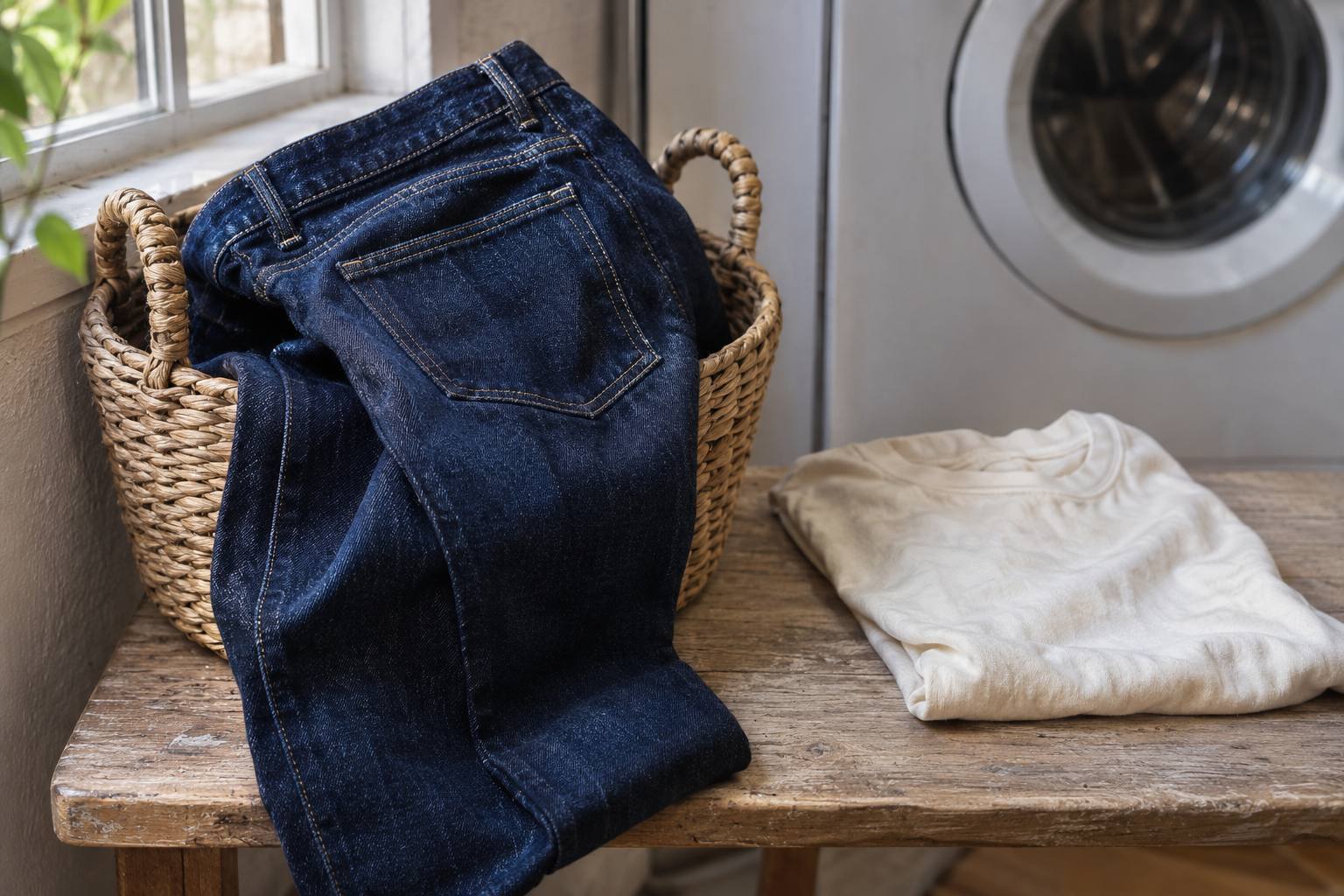
For most prewashed jeans, a first wash before wearing is a sensible choice, especially if the denim is dark and you plan to wear it with light clothing. If you bought raw denim to develop personalized fades, you may choose to wear it first. Check the product instructions before wetting unsanforized or shrink-to-fit jeans, since the first soak or wash can change the fit more noticeably.
Do You Need to Wash Brand-New Jeans?
Think about where you’ll wear them. If you’re planning to pair deep indigo jeans with a white tee, carry a cream canvas bag against your hip, or spend hours on a pale car seat, washing first can help reduce the chance of visible dye transfer. It gives some loose color a chance to leave the garment before it comes into contact with those surfaces. If you choose to wear the jeans straight away, darker layers and accessories make any transfer less noticeable. Pay special attention to spots that rub repeatedly, such as where a shirt is tucked in or where a bag rests against your thigh. lee.com
Try on the jeans and settle any sizing questions before you wash them. Check the retailer’s return terms, then sit down, bend your knees, and walk around in the shoes you’ll actually wear with the pair. For slim jeans, pay attention to pressure at the thigh and behind the knee. For straight, baggy, or stacked jeans, look at how the leg opening and hem sit when you stand and walk. If the waistband is already uncomfortable or the inseam is barely long enough, make your sizing decision while the jeans are still in their original condition.
A factory wash also changes what you’re starting with. A soft, prewashed pair has already gone through wet processing to achieve its intended look or feel. A rigid raw pair can feel more structured on day one and soften as you wear it. If the product description uses broad terms such as rigid, one-wash, or vintage wash, look for the actual care instructions and any notes about expected shrinkage. Those details matter most when preserving the exact fit is a priority.
How Can You Break In New Jeans Quickly?
If the brand’s instructions allow you to wear the jeans before washing, put them on for a few short sessions at home. Walk around, take the stairs, and sit down as you normally would. Ordinary movement puts repeated flex at the knees, hips, and waistband, where rigid jeans tend to feel stiffest. Short sessions make it easier to tell whether the denim is simply stiff or whether the cut leaves too little room for movement. If the jeans feel comfortable when you stand but pinch every time you sit, try another size or a cut with more room through the rise or thigh. Lee
If your priority is a softer feel and you already like the fit, a gentle wash can be a reasonable first step for prewashed denim. If you bought raw jeans for distinct whiskers at the hips and creases behind the knees, consistent wear before washing gives those areas time to develop. Some brands recommend soaking unsanforized denim before wearing it, so check the instructions for your particular pair before choosing a break-in routine.
Should You Hand-Wash or Machine-Wash New Jeans?
Machine-wash most everyday jeans on a cold, gentle cycle if the care label allows it. Hand-washing gives you more control over agitation and is often a good choice for rigid raw denim or jeans with fragile details, provided the label permits it. For either method, turn the jeans inside out, use a mild detergent, and keep a new dark pair separate during its first wash.
Are You Supposed to Wash New Jeans Inside Out?
Yes, for most washable jeans. Turn the legs and waistband fully inside out so the visible surface gets less direct rubbing during the wash. This is especially useful for black denim, dark indigo, and styles with a finish you want to preserve. Before you start, empty every pocket, close the zipper, and remove any detachable chains or accessories the brand says to take off. A loose tissue can leave lint across a dark pair, and a forgotten metal accessory can catch on a frayed hem or loose thread.
For rhinestones, raised embroidery, metallic foil, and large prints, read the care label before choosing the cycle. The denim may handle regular washing while a particular decoration calls for gentler care. Turning the garment inside out helps reduce direct contact with the face of the fabric, but the way a trim is attached still matters. The same goes for distressed jeans. Check whether a rip is backed with fabric or held by exposed threads, then handle that area gently when you turn the jeans and take them out of the wash.
How Do You Hand-Wash New Jeans in Cold Water?
Fill a clean basin with enough cold water for the jeans to move freely. Mix in mild detergent according to its hand-wash directions before putting the jeans in. Lower them into the water, press them down gently, and give any visibly soiled areas a little extra attention. For heavy denim, a bathtub or a broad basin is easier to work in than a small sink where the legs have to be folded into a tight bundle. Rinse with fresh cold water until the detergent is gone, then lift the jeans with both hands and gently press out excess water. Avoid twisting the legs or wringing the waistband.
Hand-washing works best when you keep the handling gentle from start to finish. Scrubbing a spot aggressively can change the appearance of that area, especially when preserving an even shade matters. If indigo tints the rinse water, keep rinsing as needed to remove the detergent and avoid scrubbing in an attempt to make the water perfectly clear. Let the jeans drain briefly in the basin, then move them to a drying rack. Support the weight of wet denim as you lift it, especially if the legs have large distressed panels or heavy embellishments.
What Washer Settings and Detergent Should You Use for New Jeans?
Choose cold water and a gentle or delicate cycle when the label permits machine washing. Use a mild detergent and adjust the dose to the load and your detergent’s instructions. A product formulated for dark clothes is an option when keeping black or indigo denim looking even is your main concern. Wash a new dark pair on its own, then remove it when the cycle finishes, ease out any deep folds with your hands, and air-dry it. If you sell a custom style, use the same consumer-care method on a finished sample before you write product-page instructions. That gives you a chance to see what happens to the actual print, pocket embroidery, hardware, or frayed edge after washing.
Should You Wash New Jeans Separately to Prevent Dye Bleeding?
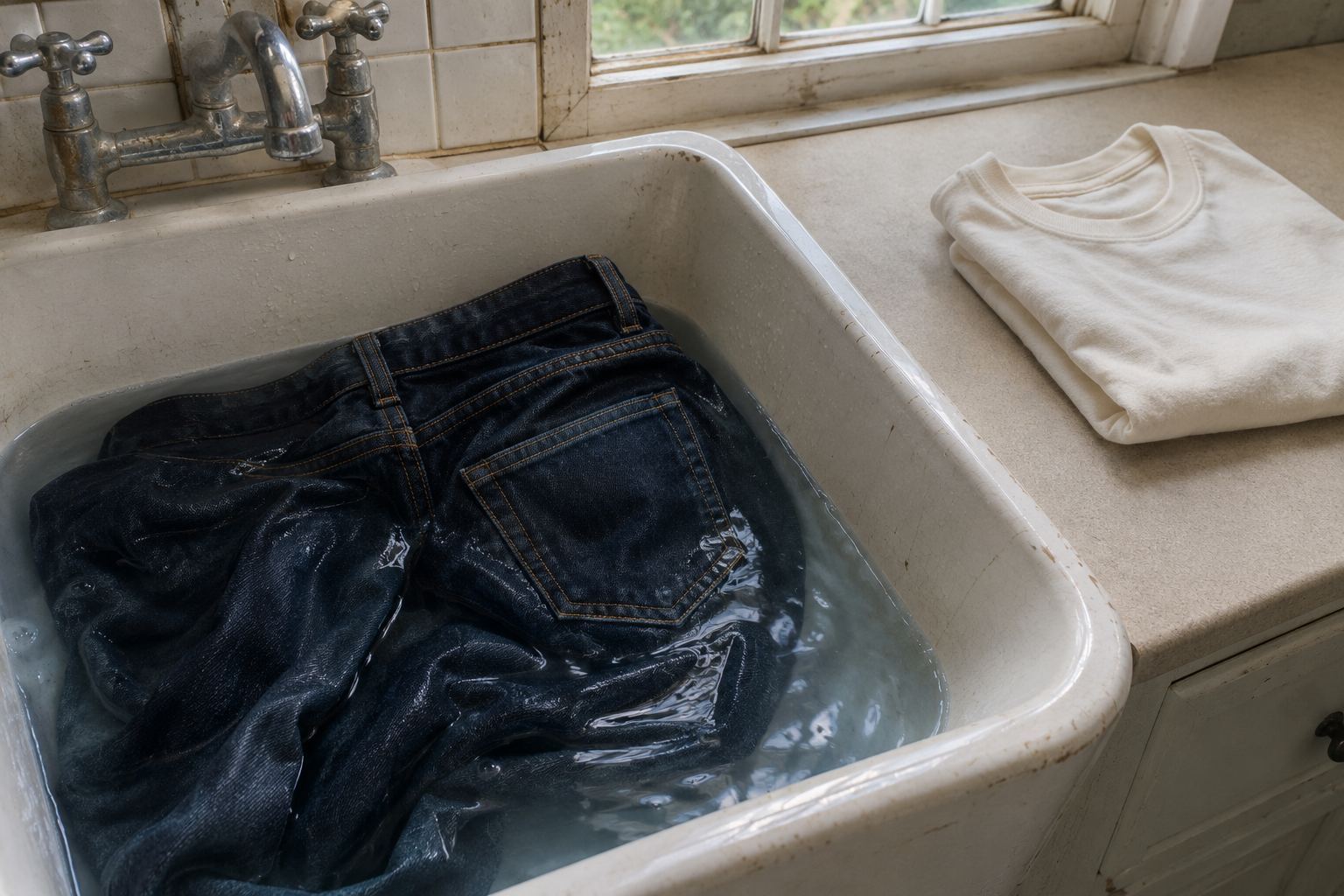
Wash new dark indigo and black jeans separately on the first wash. Some dark denim releases excess color in water, which can stain lighter clothes. Keep light items out of later loads while the jeans are still releasing visible dye, and move to washing with similar dark colors when appropriate. Check separately for dye rubbing onto light clothing, bags, or upholstery during wear.
Why Do New Dark-Wash and Black Jeans Bleed Dye?
When people say their jeans “bleed,” they might mean one of two things. Your wash water may turn blue or gray, and some of that color can end up on another item in the load. You may also find a blue mark on a white shirt where it rubbed against the waistband. Textile labs call that second type of transfer crocking. The distinction matters because sorting your laundry protects the rest of the load, while keeping dyed denim away from pale surfaces addresses transfer during wear. A pair that looks the same shade after one wash can still leave color where it rubs repeatedly. Levi’s® Customer Service
Look at the places your jeans touch most often. The top edge of a dark waistband can rub a tucked-in shirt. A crossbody bag can rest against the same area of the hip for hours. The hem of a wide-leg or stacked pair can brush against white sneakers with every step. Damp contact is worth considering too, such as sitting down on a light seat after getting caught in the rain. AATCC TM8, a laboratory method for assessing color transfer by rubbing, includes dry and wet test conditions. That gives apparel teams a way to evaluate both situations under controlled conditions.
| What you notice | What it tells you | What to do |
| The wash water is visibly tinted | The jeans are releasing color into the water | Keep the pair away from light laundry |
| A pale shirt picks up color at the waistband | Color is transferring where the fabrics rub | Wear darker layers next to the denim for now |
| A cream bag picks up a mark at hip level | Repeated contact is transferring color in one spot | Switch bags or keep the bag away from the jeans |
A new colorway transfers dye more readily than an earlier sample | The finished colorway merits a separate assessment | Review wet and dry rubbing results for that colorway |
When Can You Wash New Jeans With Other Clothes?
Start with a separate wash for a new dark pair and follow any sorting directions on the label. If the jeans continue to release visible color, keep washing them separately or with comparable dark garments that can tolerate some transfer. When the pair appears to be releasing less color, add it to a similar-color load and keep whites and pale items in a separate wash. How quickly you can make that switch depends on the pair. Two washes can behave differently even if the jeans looked equally dark on the sales rack. Levi’s® Customer Service
For boutique owners, consider where the jeans will appear in an actual outfit. If your product photos style deep indigo jeans with a cream jacket and white sneakers, evaluate the denim with those kinds of surfaces in mind. Ask for colorfastness results on the intended fabric and finish, and review any areas with distinctly different treatments, such as a dark body fabric paired with a light denim panel. If the style calls for a color-transfer note, put that information somewhere a shopper can find before wearing or washing the jeans.
Can You Put New Jeans in the Dryer Without Shrinking Them?
A dryer can shrink new jeans, so air-dry the first wash if you want to preserve the fit. If the care label allows tumble drying, choose the lowest permitted heat setting and check the jeans early. Expect shrinkage to vary with the fabric, its finishing history, and the drying method. Take extra care with rigid raw jeans and styles that rely on an exact inseam.
Do New Jeans Shrink After the First Wash?
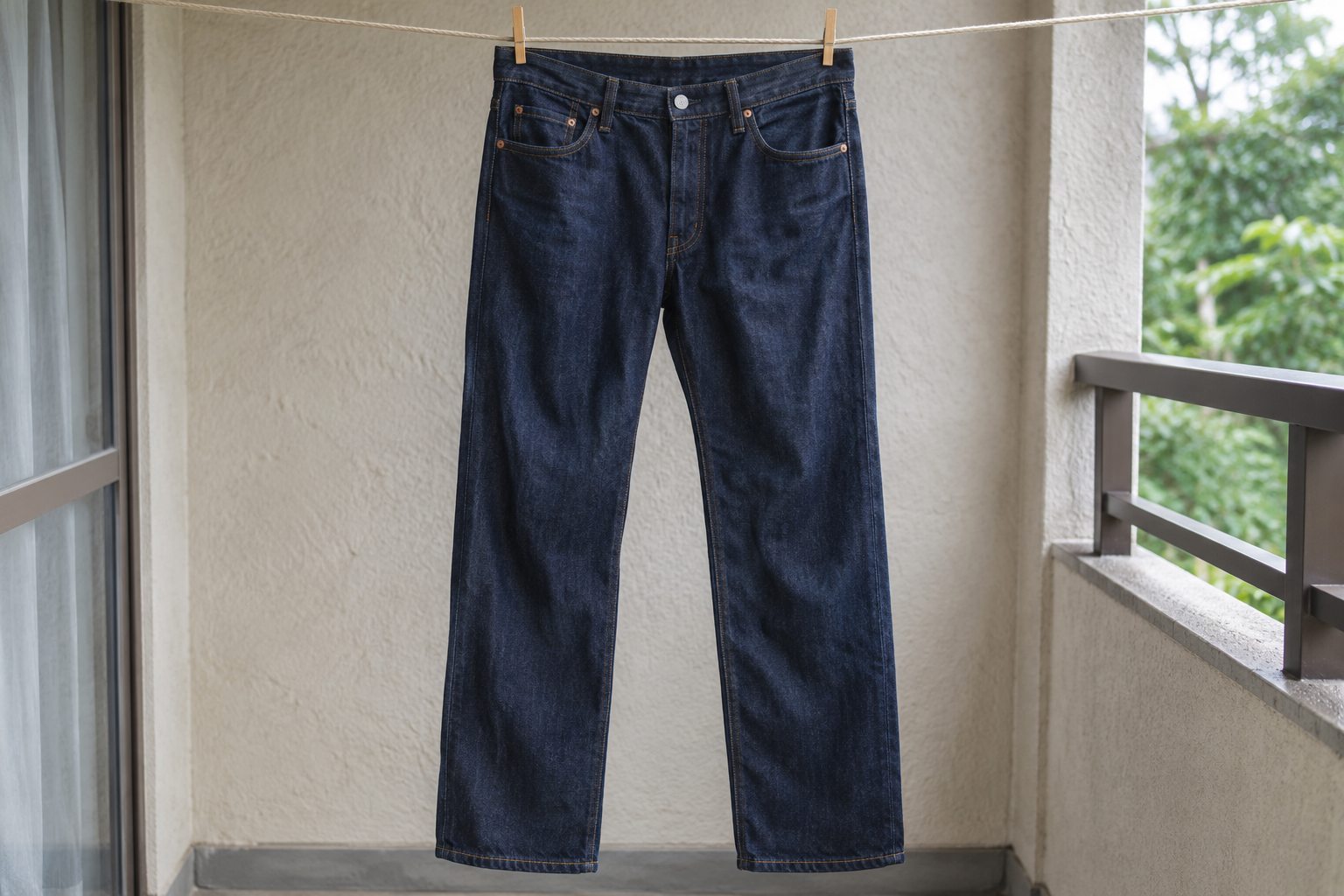
They can. Prewashed or preshrunk jeans may change relatively little when you follow the care label. Unsanforized raw denim can change considerably more, and the first soak alone can affect the final dimensions. A jeans style can lose length through the leg while feeling only a little tighter at the waist, so check the dimensions that matter to the way you wear it. Half an inch may be hard to notice on a roomy straight leg. The same change can matter on a cropped style that lands just above a boot or a stacked style that needs extra length to gather over a shoe. Lee
If you want to know how much your own pair changes, measure it flat before you wash it and again when it’s fully dry. Use the same spots each time, with the jeans buttoned and the fabric lying naturally. Measure the inseam from the crotch seam to the hem along the inside leg. For the waistband, choose a consistent way to lay it flat and avoid pulling it taut. A pair that goes from a 32-inch inseam to a 31.5-inch inseam has lost half an inch, or about 1.6% in length. That example gives you a way to calculate the change on your pair.
For a denim brand, decide which measurements matter most to the silhouette and record them individually. A straight fit may need close attention at the waist and inseam, while a baggy fit depends on room through the thigh and the width of the opening as well. Garment measurement also helps you catch changes that influence how the jeans hang, such as a side seam that swings forward after washing. AATCC TM150 addresses dimensional change in garments after home laundering. AATCC TM135 addresses fabric dimensions, and TM150 notes limits for certain stretch fabrics, so agree with your testing team on a method that suits the material and the finished garment. AATCC
How Can You Dry New Jeans to Minimize Shrinkage?
After washing, smooth the waistband and legs into their natural shape while the jeans are damp. Hang them where air can circulate, or lay them flat on a rack if they’re particularly heavy or have delicate trim. Keep the legs spread enough that the inner surfaces can dry, and check thick areas such as the fly, pocket bags, and waistband before putting the jeans away. If preserving a dark shade matters, air-dry the pair inside out in a shaded spot. Levi’s® Customer Service
If air-drying is impractical and the care label allows a dryer, use the lowest heat setting the label permits and check the jeans before the cycle finishes. You can take them out while they’re still slightly damp and finish drying them on a rack. For a custom style, test the drying method you expect customers to use on the pre-production sample. A factory-approved sample has to fit when it ships, and you also want to know what happens to the leg shape and hem after a customer washes and dries it at home.
How Should You Wash Raw or Selvedge Jeans for the First Time?
Find out whether the jeans are raw or prewashed and whether the fabric is sanforized. Selvedge describes the fabric edge, so selvedge jeans can come with different wash instructions. Most washable prewashed pairs can follow their regular care label. For raw denim, follow the maker’s first-wash instructions, choose gentle handling, and air-dry. For unsanforized or shrink-to-fit styles, confirm sizing and soak instructions before wetting the jeans.
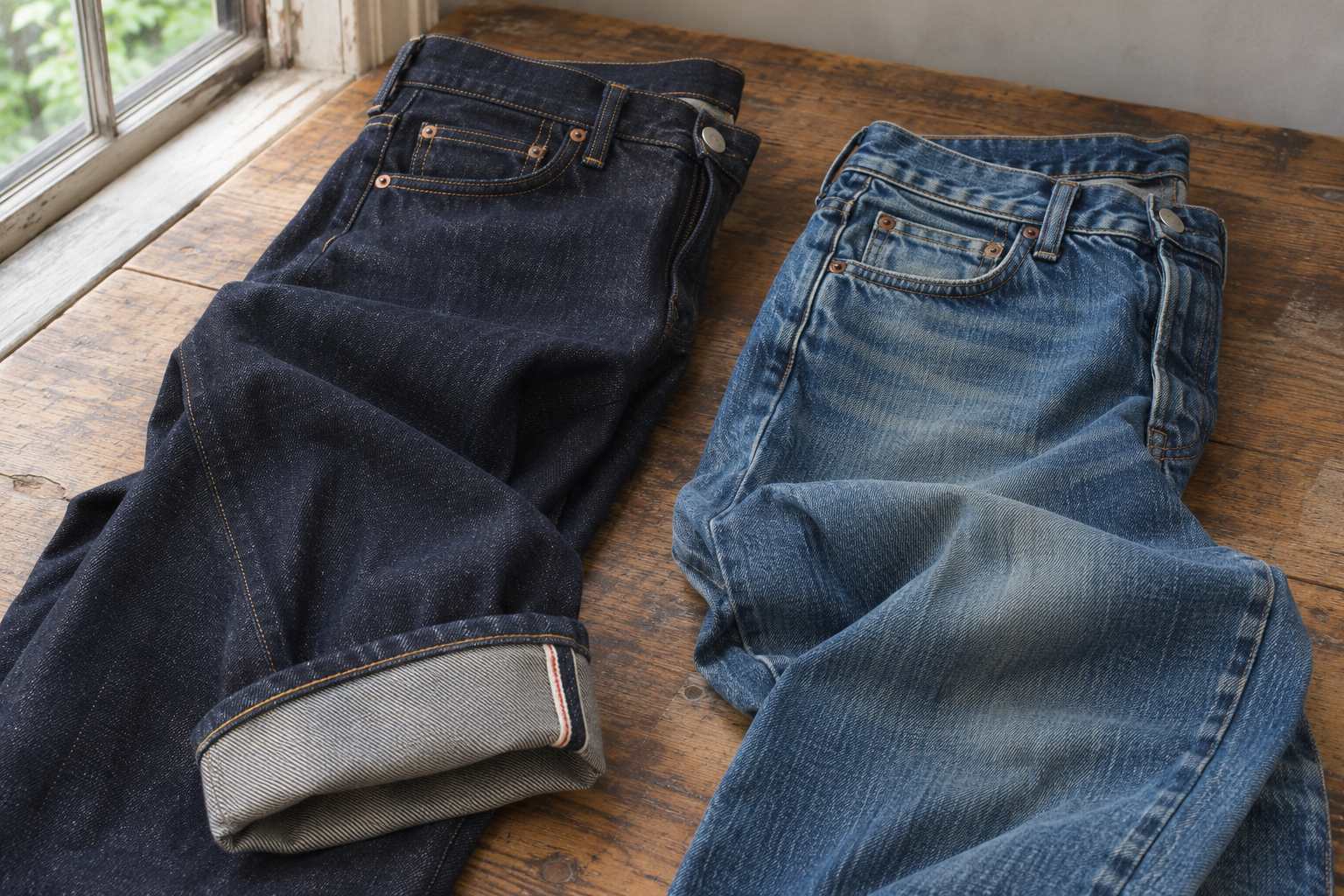
What’s the Difference Between Raw, Selvedge, and Prewashed Denim?
Raw describes denim sold without the usual garment wash, often with a stiffer feel and a darker, more uniform appearance. Selvedge describes the finished, self-bound edge of the woven fabric. You may see it when you cuff the jeans, depending on how the garment is cut and sewn. Prewashed means the jeans went through a wash before sale. You can buy raw selvedge jeans, prewashed selvedge jeans, and raw jeans made from non-selvedge denim. If you’re deciding whether to soak a pair, the wash and shrinkage information on the product page will tell you more than the edge you see at the cuff. Lee
These terms answer different questions when you’re buying or developing a pair. If you want the pronounced creases of denim that softens with wear, look at raw options and read the maker’s advice on first-wash timing. If you want a pair that feels softer at delivery, compare prewashed options. If the exposed selvedge edge is part of the design, check how the outseam is constructed and how much cuff the style needs to show the detail. Then confirm the intended inseam after the recommended wash. That last check matters when a retailer presents a cuffed look in every product photo.
Does Sanforized Denim Need a Different First Wash Than Unsanforized Denim?
Sanforization is a treatment intended to reduce subsequent shrinkage. Sanforized raw denim can still feel stiff and develop wear patterns, while typically changing less in size on the first wash than comparable unsanforized raw denim. For a sanforized raw pair, follow the brand’s timing and use gentle washing and air-drying if the instructions allow. For unsanforized jeans, ask how the waist and inseam are expected to change and which care method those estimates assume. That matters when you’re between sizes or when you’re planning to have the jeans hemmed. Lee
A useful question for the retailer is “What will the waist and inseam measure after I wash and dry this pair as directed?” That gives you a more practical basis for choosing a size than a general shrinkage percentage. If you’re ordering custom raw denim, ask for the as-shipped and after-care measurements at the points that define the fit. For an extended size range, consider checking more than one sample size. If the style has two inseam options, measure both after the planned wash and drying method so you can see whether the intended length difference still reads on the body.
Should You Soak Shrink-to-Fit Jeans Before Wearing Them?
Soak them first if the maker recommends it and you want the initial shrinkage to happen before you start breaking them in. Some raw-denim guides recommend an early soak for unsanforized jeans. Other brands describe several care approaches based on the fit and fade pattern you want, with different sizing advice for each. Follow the instructions for your exact model, especially the water temperature and drying method. If you plan to shorten the legs, wait until you’ve completed the initial treatment and tried the fully dry jeans on with the shoes you’ll normally wear.
Develop Your Next Custom Denim Style With DiZNEW
If you’re designing jeans for a brand or an online boutique, decide what you want shoppers to experience after the first wash. Should a black baggy fit keep a deep, even shade? Should a raw selvedge jean have a published after-soak inseam? Should a heavily embroidered style be easy to wash at home? Put those requirements in the same brief as your fit, artwork, fabric, and trims. During sample approval, review the wash shade, hand feel, and after-care measurements on the finished garment. That gives you a concrete basis for approving the look and writing care instructions your customers can follow.
DiZNEW is a Chinese denim manufacturer with more than 20 years of experience developing and producing custom denim. We work with designers, independent boutiques, and established streetwear brands to turn sketches, tech packs, or reference samples into private-label products. Orders start at 30 pieces for eligible projects, with production available for orders of 10,000 pieces or more. Custom fabrics, hardware, and other components may have separate minimums. diznew.com
Request a custom denim quote. Send your sketch, tech pack, or reference photos with your target fit, wash, size range, order quantity, and launch date. If you have a wash reference or a specific after-wash measurement you need to hit, include it so we can review it during sample development.
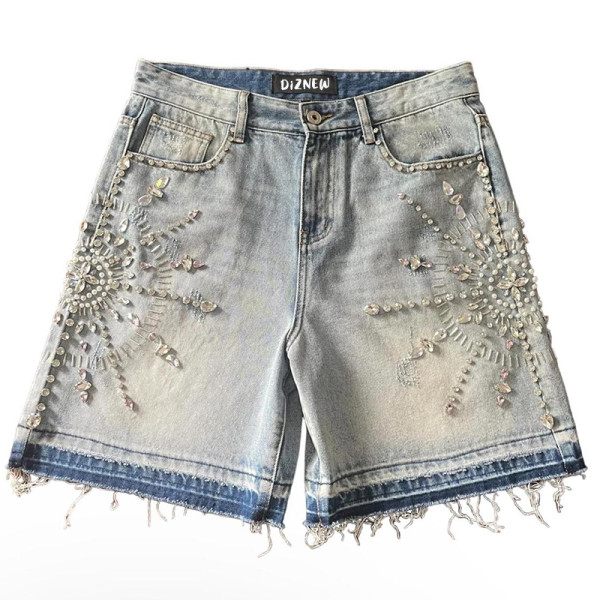
Custom Blue denim shorts with crystal detailing, blending luxury and street style. Stand out with this personalized denim design.
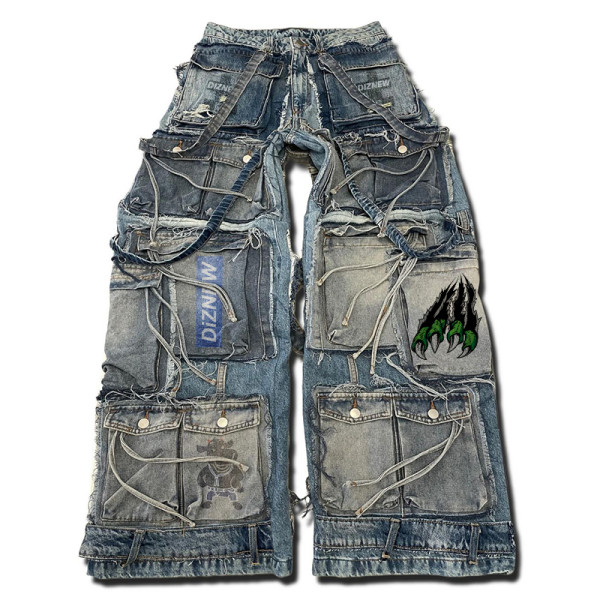
Washed denim cargo jeans with raw edge detail and oversized pockets for a bold streetwear look.
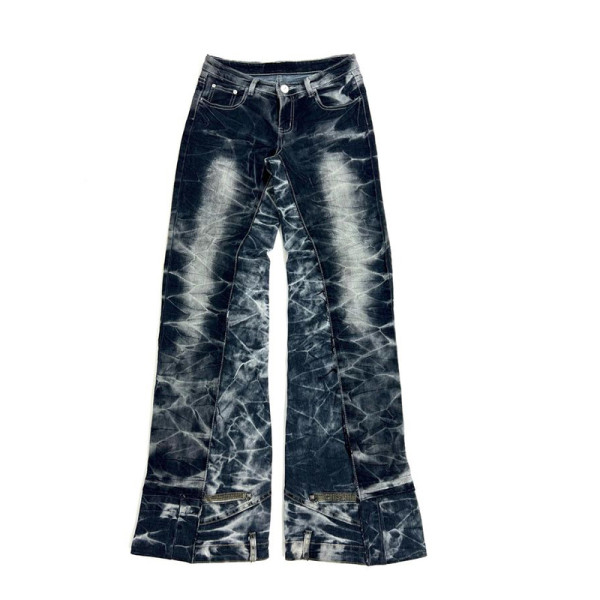
Custom designer flare jeans with a wrinkled texture wash and edgy zipper details. Low MOQ available.
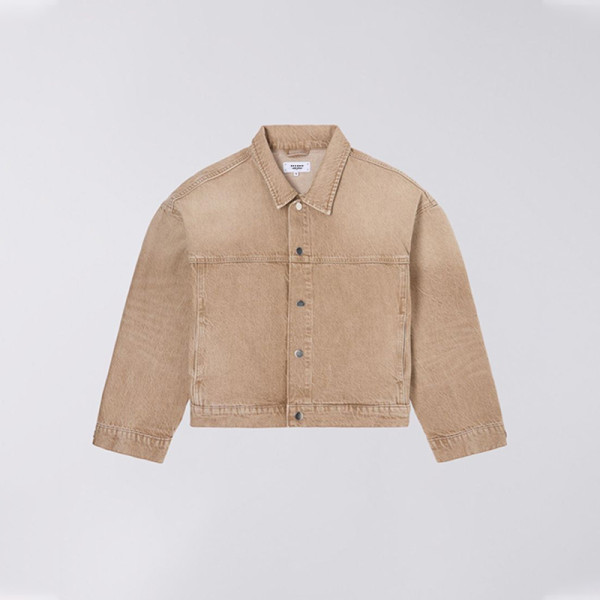
Brown blank cropped denim jacket with a minimalist design—perfect for boutique owners and luxury fashion customization.