How Much Does a Pair of Raw Denim Jeans Really Cost?
- Share
- Issue Time
- Dec 26,2025
Summary
Discover the true cost of raw denim jeans. Explore factors influencing pricing, quality, and where to find the best deals for your next purchase.
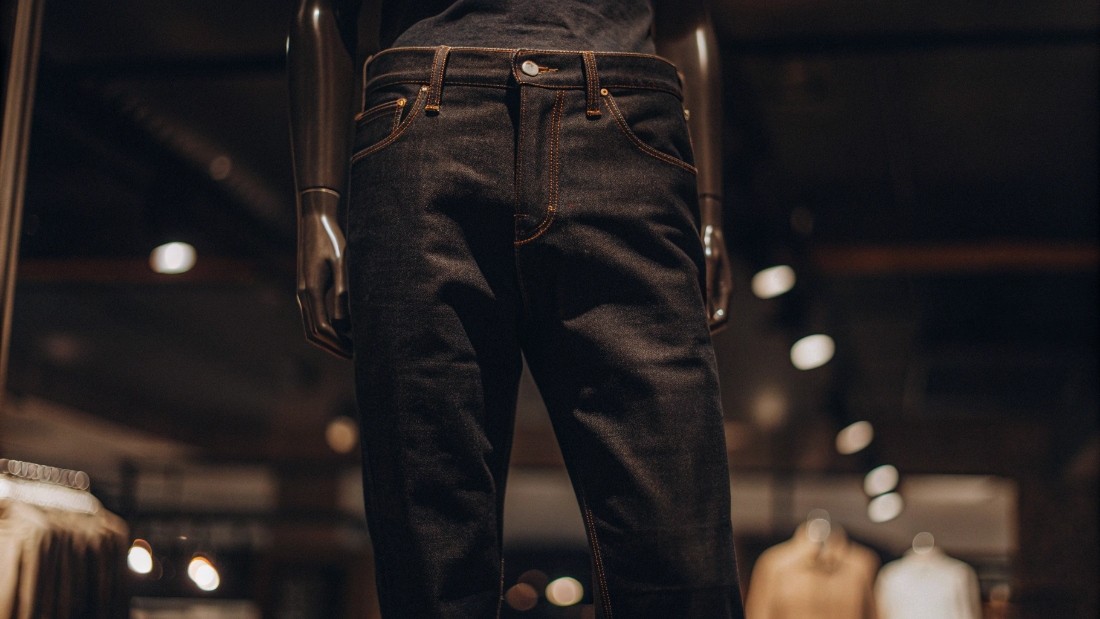
Your clients are intrigued by raw denim, but the price range is bewildering. They see options from under $100 to over $400, making it hard for you to explain the value and justify a premium price.
A good pair of selvedge raw denim jeans typically costs between $150 and $300. This price reflects the quality of the raw cotton, the weaving process, the brand's craftsmanship, and the country of origin.
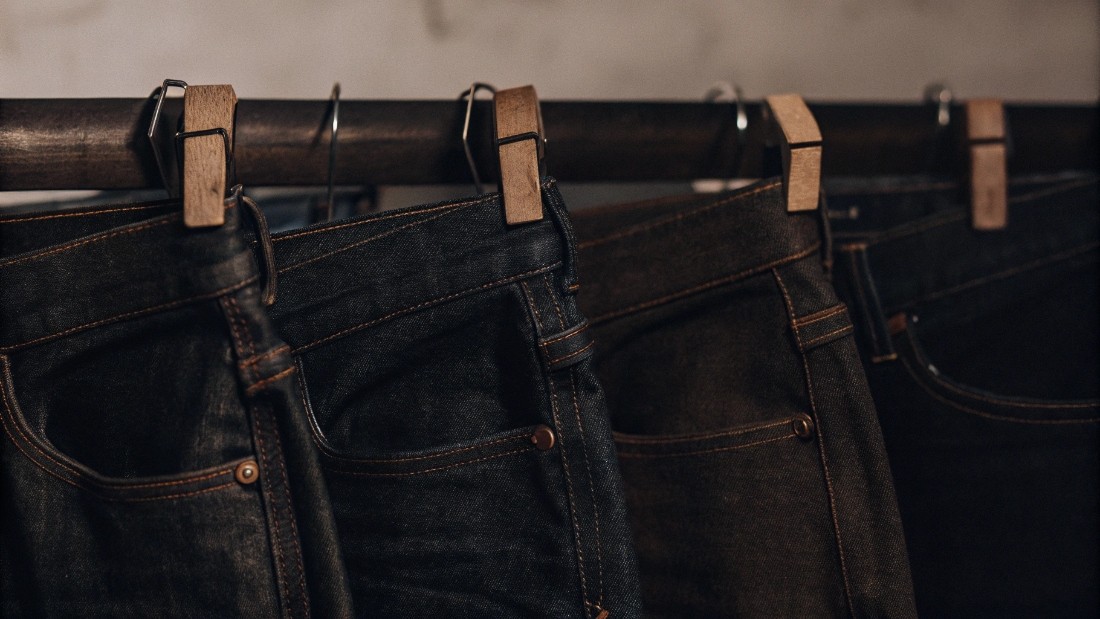
Dean, your insight about the $150-$300 price range is exactly what we see for quality garments. When a brand asks me to produce a raw denim jean, the first conversation we have is about the fabric. A roll of Japanese selvedge denim can cost me three or four times more than a standard non-selvedge fabric.
That cost is the foundation. From there, we add the cost of skilled labor for sewing, durable hardware, and the brand's markup. The final price tag directly tells the story of the choices made at every step, and explaining that story is key.
Is Raw Denim Expensive?
Your clients hear "raw denim" and immediately brace for a high price. This perception can make them hesitant to invest in a raw program, as they fear the final product won't be competitive.
Yes, quality raw denim is more expensive than mass-market washed jeans. The cost is justified by superior materials, more intensive labor, and a garment built for longevity, not disposability. You're paying for durability and character.
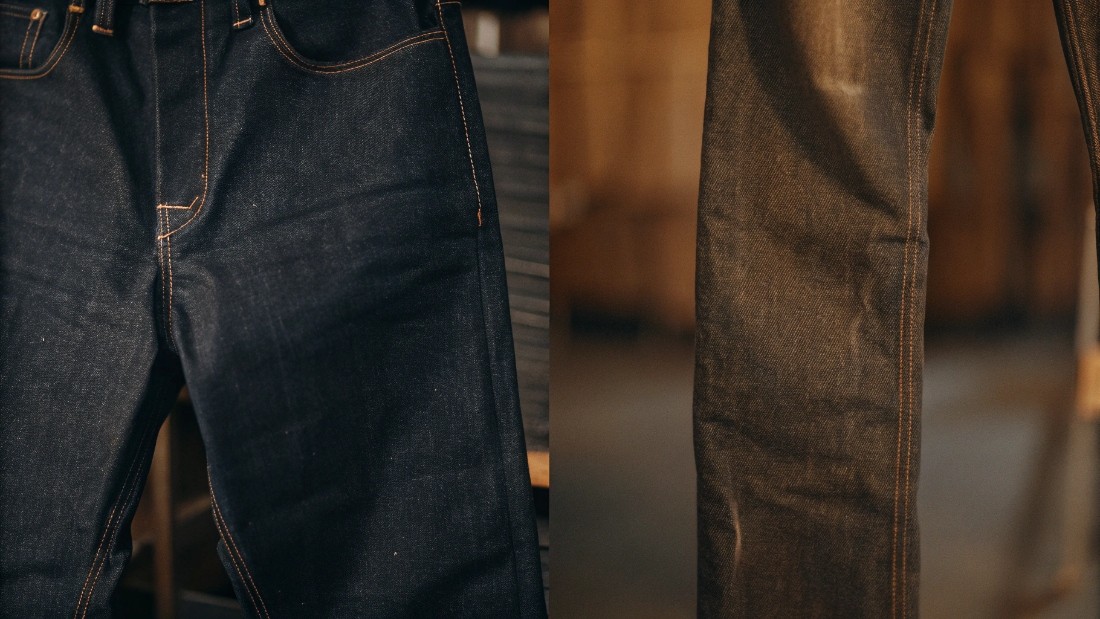
In my factory, a raw denim project is treated with a higher level of care. Because there's no complex wash process at the end to hide mistakes, the fabric and the sewing have to be perfect from the start. "Expensive" is a relative term.
A $40 jean that falls apart in a year is arguably more expensive than a $250 raw denim jean that lasts a decade and looks better with each wear. The cost is front-loaded into the quality of the materials and construction. It’s an investment in a garment that will have a long life and tell a unique story through its fades, which is a value proposition you can confidently present.
Why Raw Denim Costs More ?
| Cost Factor | Mass-Market Jean | Premium Raw Jean |
| Fabric | Cheap, short-staple cotton blends. Woven quickly on wide projectile looms. | Long-staple cotton. Often selvedge, woven slowly on vintage shuttle looms. |
Dye | Quick, synthetic dyes. | Slow, multi-dip rope dyeing, often with natural indigo for deep, rich color. |
| Construction | Lower stitch count to save time. Automated processes. Basic hardware. | High stitch count for durability. More hands-on labor. Custom, heavy-duty hardware. |
| Quality Control | Washes and distressing can hide sewing or fabric flaws. | No wash process. Every stitch and fabric detail is exposed and must be flawless. |
What Jeans Could Possibly Cost $10,000?
The occasional news story about a five-figure pair of jeans pops up. This creates a distorted perception of the apparel market and makes even a $400 price tag seem confusing.
Jeans at this price are not apparel; they are collector's items. The value comes from extreme historical rarity or bespoke, artistic craftsmanship that takes hundreds of hours, not from functional garment quality.
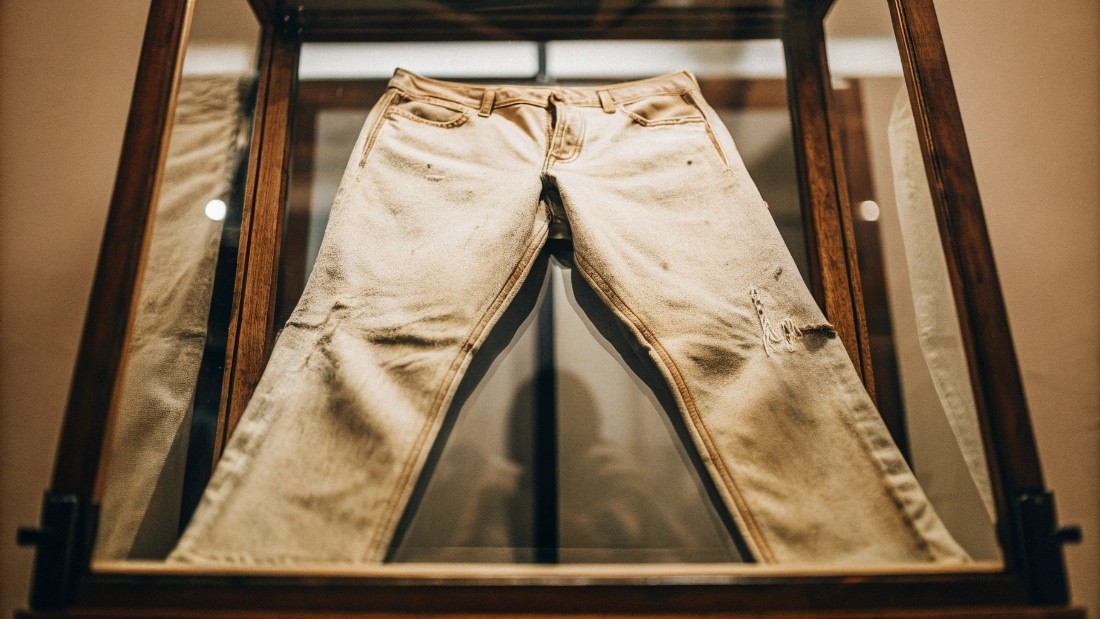
Let me be clear: my factory does not make $10,000 jeans. No production factory does. That price exists in a different universe, governed by the rules of art and collectibles. You're talking about two things. First, a historical artifact. A pair of jeans recovered from a sunken ship or an abandoned 1880s mine can auction for tens of thousands of dollars because it's a piece of history.
Second, you have couture art. This could be a single pair of jeans that a famous artist spent 800 hours embroidering by hand or that a jeweler encrusted with diamonds. In these cases, you are not buying pants. You are buying a one-of-a-kind art object or a piece of history. It has no bearing on the cost of even the highest-quality wearable jeans we produce.
What Is the Average Cost of a Pair of Jeans?
"Average cost" is a nearly useless metric for a product that ranges from $20 to $500+. You need to break it down by market segment to create a realistic pricing strategy.
There is no single "average." It's best to think in tiers: mass-market jeans average $40-$70, premium jeans (including most raw denim) average $150-$300, and luxury designer jeans start at $400 and go up.

When brands discuss pricing with me, I never talk about a single average. The market is segmented. A fast-fashion brand's "average" is based on producing millions of units with maximum efficiency and washed-down fabrics. Their target is under $50. A premium brand like the ones you design for is focused on quality, story, and fit.
Their "average" of $150-$300 reflects the use of Japanese selvedge denim, better construction, and smaller production runs. Then you have the high-fashion luxury brands, where the price is driven heavily by the designer name and runway marketing, pushing the average to $500 or more. Knowing which segment you are targeting is the only way to understand what the "average" price should be.
Does Levi's Sell Raw Denim?
Levi's is the most iconic name in jeans, but they are mostly known for their washed finishes. Your clients will inevitably ask if the original jean company still makes original-style raw denim.
Yes, Levi's sells raw denim, primarily through their premium lines like Levi's Vintage Clothing (LVC) and Levi's Made & Crafted. These collections use higher-quality selvedge fabrics and heritage construction methods, separate from their mainline products.
This is an important point for your clients to understand. The Levi's you find in any department store for $60 is not the same product as the raw denim they offer. Levi's operates on multiple tiers. Their mainline is for the mass market, focused on washed, comfortable, and affordable jeans. But they have a deep respect for their own history.
That's where Levi's Vintage Clothing (LVC) comes in. In my world, LVC is a respected client of high-end denim mills. They buy quality selvedge denim (some from the Cone Mills White Oak plant before it closed, now from Japan) to create faithful reproductions of their archival pieces. So yes, they sell raw denim, but you have to look for it in their specialized, premium collections where prices are more in line with other raw denim brands.
Conclusion
The cost of raw denim, typically $150-$300, is a direct reflection of its quality. It’s an honest price for superior fabric, durable construction, and a garment built to last a lifetime.
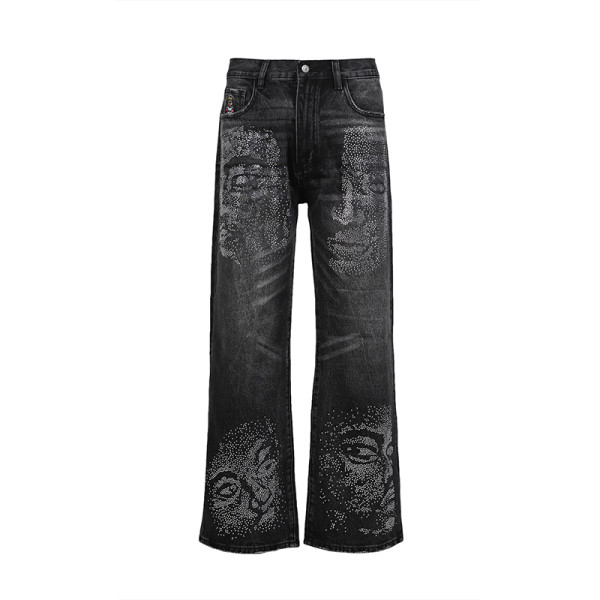
Make a bold statement in these wide-leg black jeans, detailed with shimmering rhinestone face art.
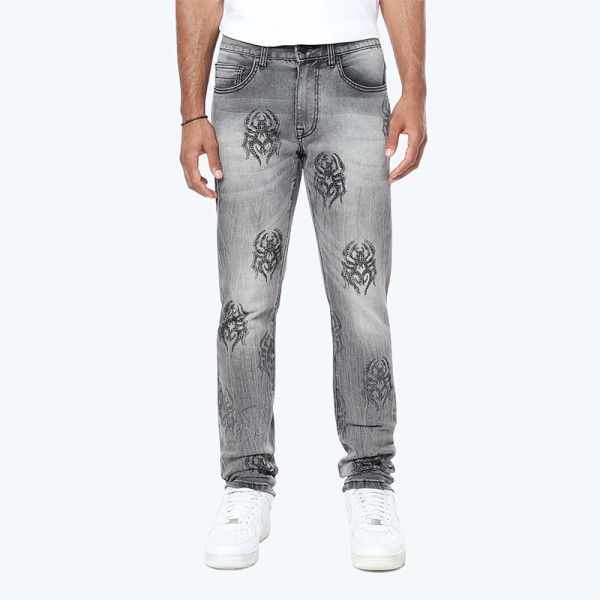
Classic gray denim meets edgy tribal flame embroidery for a bold, confident streetwear vibe.
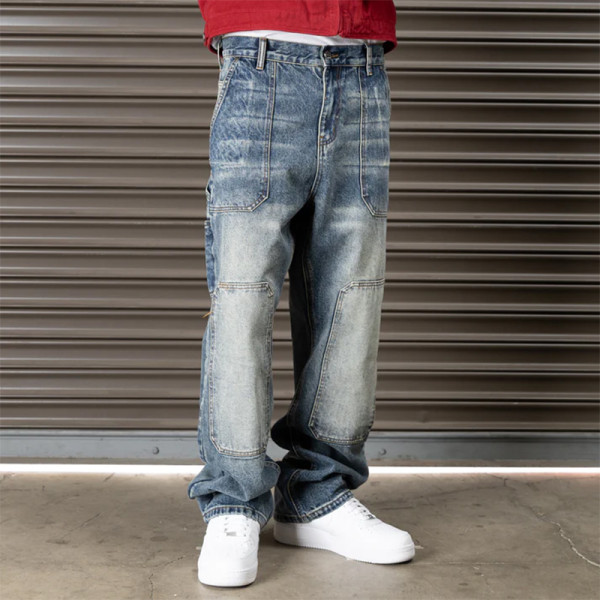
Retro workwear vibes: Relaxed fit jeans with utility panel stitching and faded wash for effortless street cool.
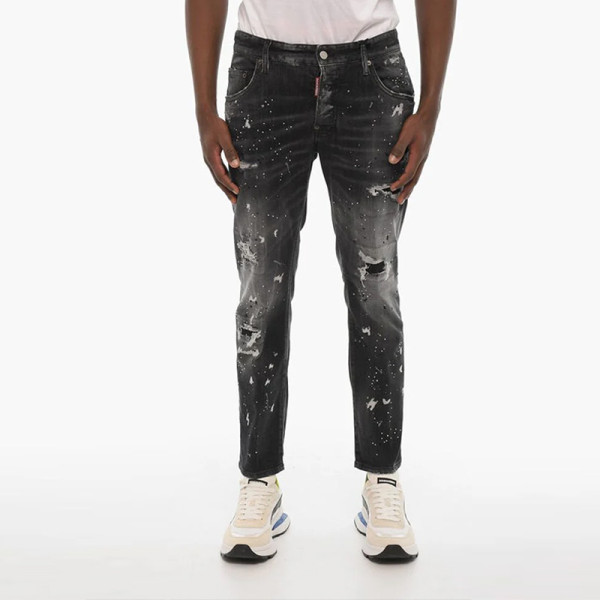
Urban edge meets casual cool in these black distressed jeans with paint splatter and ripped detail. Slim, stylish, standout.