Does the Quality of Clothes Really Depend on the Brand?
- Share
- Issue Time
- Dec 4,2025
Summary
Uncover the truth behind clothing quality and brand reputation. Learn how to assess garments beyond labels for smarter shopping decisions.
What if everything you’ve heard about big-name labels guaranteeing top-notch clothing quality is just a marketing myth? In a world flooded with fast fashion giants, direct-to-consumer disruptors, and heritage couture houses, it’s easy to assume that higher price tags and famous logos automatically signal superior craftsmanship.
But savvy shoppers on forums like Reddit are debating the opposite: “Does the quality of clothes depend on the brand?” and “Why has the quality of clothing gone down?” They’re exposing surprising truths about material sourcing, production shortcuts, and hidden markups that can leave your wardrobe falling apart faster than you think.
Quality isn’t a simple byproduct of a brand name or luxury price tag. It comes down to raw materials, construction techniques, and supply-chain transparency—factors that independent labels and lesser-known manufacturers can sometimes execute better than major fashion houses. This guide will arm you with critical questions, insider tests, and practical shopping strategies so your next purchase truly stands the test of time—brand name optional.
Last month I received two pairs of “premium” denim jeans: one from a globally hyped label and another from a small Los Angeles workshop. The hyped pair lost color after two washes and developed grinding seams at the crotch. The artisanal pair? They’re still going strong after ten wears and routine machine cycles. What happened? Stick around, and we’ll unravel the secrets that separate true clothing quality from clever branding.
Brand Reputation vs. Real Craftsmanship: Who Makes Quality Clothing?
Price and brand influence perceived quality, but they don’t guarantee it. Smaller labels or “slept-on” brands often leverage local sourcing, artisanal techniques, and tighter quality controls to rival or outperform expensive luxury houses. Understanding how marketing budgets, celebrity endorsements, and vertical integrations inflate prices will help you identify genuine craftsmanship, regardless of the label on your hanger.
When consumers ask “does the price and the brand of clothes define their quality?” they often assume a direct correlation: high price equals high quality. In reality, major fashion brands allocate up to 20–30% of their retail price to marketing, celebrity sponsorships, and flagship store rent. That means a significant chunk of your money isn’t funding better fabric or stronger stitching—it’s fueling a brand’s hype machine.
Case Study: Two Denim Labels
Brand A (Global Luxury):
Retail Price: $350 per pair
Marketing & Overhead: 28%
Fabric Quality: Mid-to-high grade cotton, standard dyeing process
Craftsmanship: Automated stitching, 60-second wash cycle
Defects (return rate): 12% within three months
Brand B (Boutique Workshop):
Retail Price: $180 per pair
Marketing & Overhead: 10%
Fabric Quality: Selvedge denim from a 120-year-old mill in Japan
Craftsmanship: Hand-finished topstitching, rope-dyeing, and 48-hour natural wash
Defects (return rate): 4% within three months
Despite costing nearly half as much, Brand B outperformed Brand A in both durability and customer satisfaction. Why? They prioritized raw materials and specialized techniques over global ad campaigns.
Does the definition of quality change depending on the type of business? Absolutely. A luxury conglomerate might measure success through brand prestige and consistent profit margins. A family-run atelier measures success by repeat customers, word-of-mouth referrals, and the tactile feel of each seam.
Lesser-Known “Slept-On” Brands
Platforms like Reddit have dredged up countless threads titled “best underrated clothing brands” or “slept-on denim labels.” These smaller labels can thrive by:
Sourcing directly from weavers and mill owners, cutting out middlemen.
Producing limited runs to ensure each item undergoes strict inspections.
Focusing on one category—say, straight jeans or denim jackets—allowing them to perfect details that mass-market brands overlook.
Critical Takeaways
Don’t judge a garment by its price tag.
Research the brand’s production philosophy—vertical integration often raises quality but also cost.
Seek out independent reviews and user-generated feedback on platforms like Reddit, where passionate customers share real-world performance.
In sum, brand reputation is an important indicator—but not an infallible guarantee—of quality. Savvy shoppers dig deeper into materials, processes, and customer experiences to find the best value-for-money pieces.
Materials, Construction, and Origin: What Truly Drives Durability?
Durability isn’t born from a logo; it’s engineered through carefully selected fabrics, robust construction techniques, and transparent supply-chain practices. From the cotton type and dye method to stitch density and hardware quality, each element plays a pivotal role. Equally important: where clothes are made. Garments produced in ethical, high-skill environments often demonstrate superior longevity and consistency compared to mass-produced alternatives.
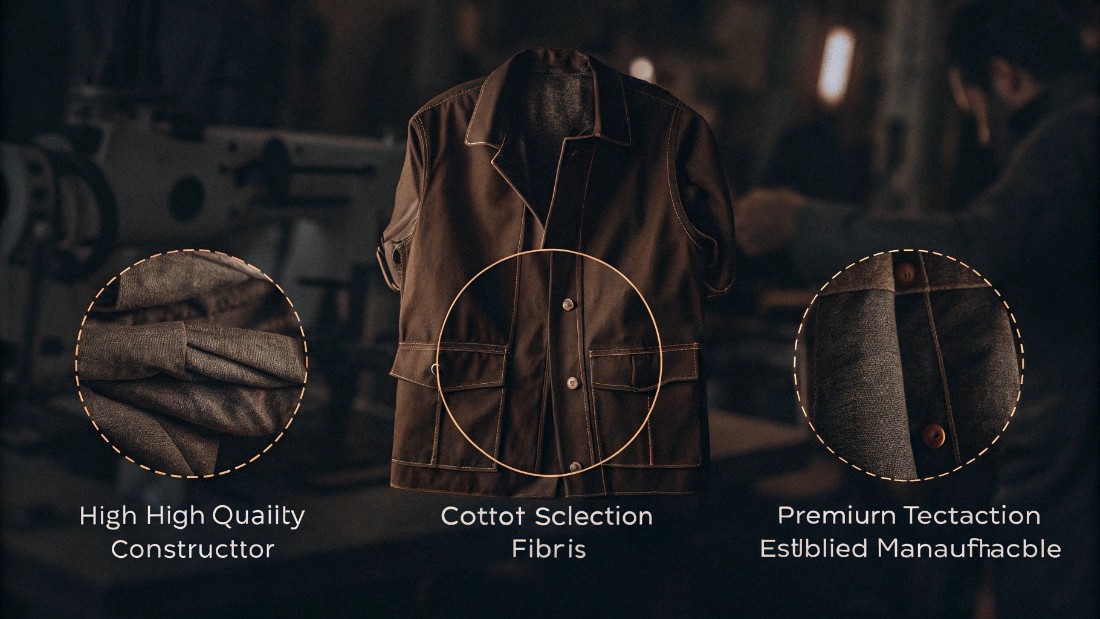
Which materials will stand the test of time? The answer begins with fiber origin.
1. Fiber Type and Origin
Cotton: Upland vs. Sea Island vs. Pima. Longer staple fibers (Pima, Sea Island) yield softer, stronger yarns that resist pilling and stretching.
Wool: Merino vs. generic wool. Merino wool offers finer fibers for itch-free, temperature-regulating knits.
Synthetics: Polyester and nylon add strength and elasticity but can trap odors if not blended with natural fibers.
Data Snapshot:
| Material Type | Avg. Tensile Strength (MPa) | Avg. Elongation (%) | Typical Use |
| Cotton Upland | 200 | 5 | Basic denim, tees |
| Cotton Pima | 300 | 8 | Premium denim, shirts |
| Polyester | 450 | 15 | Activewear, linings |
2. Weave, Weight, and Dyeing
Weave: Twill vs. plain weave changes drape and abrasion resistance. Denim twill resists wear on high-friction areas.
Weight: Heavier fabric (12–14 oz for denim) increases durability but affects comfort and flexibility.
Dyeing Techniques: Rope-dyeing vs. jet-dyeing. Rope-dyeing preserves the fiber’s cuticle for better fade patterns and longevity.
3. Stitch Density and Hardware
Stitch Density: 10–12 stitches per inch (SPI) in premium denim vs. 6–8 SPI in fast-fashion. More stitches ensure seams withstand repeated stress.
Thread Type: Bonded polyester threads resist UV degradation and moisture.
Hardware: Nickel-plated vs. brass buttons and rivets. Brass ages well and resists corrosion longer.
4. Where Clothes Are Made
Country of Manufacture: Quality can vary widely. Countries with skilled labor pools—Japan for denim, Italy for tailoring, Portugal for knits—often yield better results than large-scale, low-cost factories.
Ethical Production: Brands that invest in fair labor practices and environmental controls tend to have stricter quality checks, reducing defects and inconsistencies.
5. The Fast-Fashion Paradox
Mass factories optimize for speed and volume, often at the expense of quality. Shoppers on Reddit lament “clothing quality decline” as turnover accelerates and cost-cutting intensifies.
“Why are clothes made so cheaply?” Because short-lived fashion cycles and razor-thin margins reward speed over substance.
Conclusion of Section
Quality is a sum of interconnected decisions: from seed to stitch. When you understand each link in the chain, you can demand better materials, ask probing questions about origin, and choose garments built to last.
Spotting the Difference: How to Tell If Clothes Are Good Quality
Identifying quality garments requires knowing which details matter: stitch density, seam reinforcement, colorfastness, and fabric hand. Simple at-home tests—stretching seams, checking label origin, laundering trials—can reveal construction flaws before you buy. Asking pointed questions about production processes and inspecting hardware finishes will protect you from “clothing quality decline” and help you build a wardrobe that endures both fashion trends and the test of time.
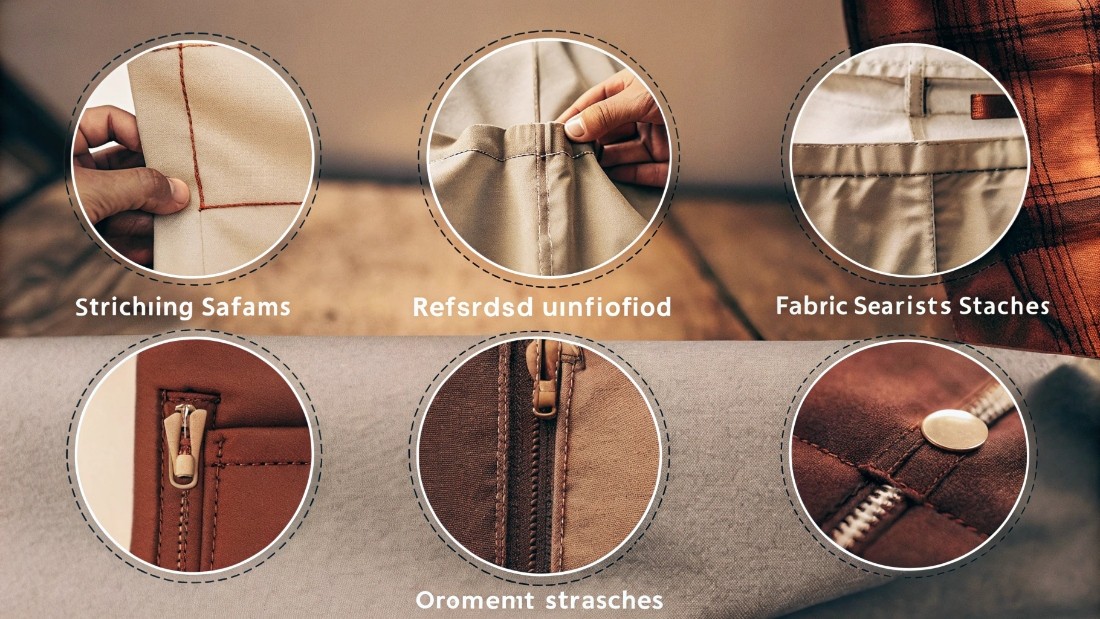
Ready to become your own quality-control inspector? Here are concrete steps:
1. Label Inspection
Look for care instructions specifying gentle or professional laundering. Cryptic labels like “hand wash cold, do not wring” often hide delicate constructions.
Country of Origin: A “Made in Japan” denim jacket may cost more, but it signals superior weaving and finishing.
2. Stitch and Seam Tests
Stitch Density: Count the stitches per inch (SPI). Anything under 8 SPI on a pair of jeans is a red flag.
Seam Reinforcement: Turn pockets and side seams inside out. Genuine quality garments often have bar tacks or chain-stitch reinforcements at stress points.
3. Colorfastness and Wash Trials
Rub a damp white cloth over dark fabrics. If significant dye transfers, the garment will bleed in the wash and fade prematurely.
Pre-Shrink Claims: Look for pre-shrunk or sanforized labels on denim; untreated fabrics can shrink up to 10% after the first wash.
4. Fabric Hand and Weight
Feel the Weight: A 12 oz. denim should feel substantial. A flimsy 8 oz. jean marketed as “premium” is likely overhyped.
Hand Feel: Rub your fingers over knits. Cheap synthetics feel slick and plastic-like, whereas high-quality blends feel resilient yet soft.
5. Hardware and Details
Zippers: YKK or Riri zippers signal reliability.
Buttons and Rivets: Solid brass hardware outlasts plated alternatives that wear off within washes.
Pocket Bags: Look for sturdy cotton or polyester pocketing, not thin muslin that tears after a few uses.
6. In-Store vs. Online Strategies
In-Store: Handle the garment. Tug, rub, and inspect. Ask staff about fabric origin and production methods.
Online: Read user reviews, prioritize detailed photos, and check return policies. Many enthusiasts on Reddit share teardown videos showing exactly how a garment is constructed.
Practical Example: The Deodorant Test
Shoppers often ask, “What’s the best deodorant that doesn’t stain clothes?” Here’s a quick hack: Apply deodorant, let it dry, then rub a damp white fabric on the chest area. If an imprint remains, the garment’s surface treatment isn’t stain-resistant, indicating cheaper finishing processes.
By mastering these inspections, you can avoid the frustration encapsulated in posts like “why are clothes so bad?” and build a dependable wardrobe from the ground up.
Investing Wisely: When to Pay for the Big Name—and When to Opt Out
High-end brands deliver consistent quality for specialized categories—like tailored suits or heritage denim—but they also carry hefty marketing premiums. Know when a luxury label adds genuine value (rare fabrics, artisanal techniques, lifetime repairs) and when it simply cashes in on prestige. By balancing smart investment pieces with high-performing boutique alternatives, you can craft a versatile, durable wardrobe without overspending on logos.
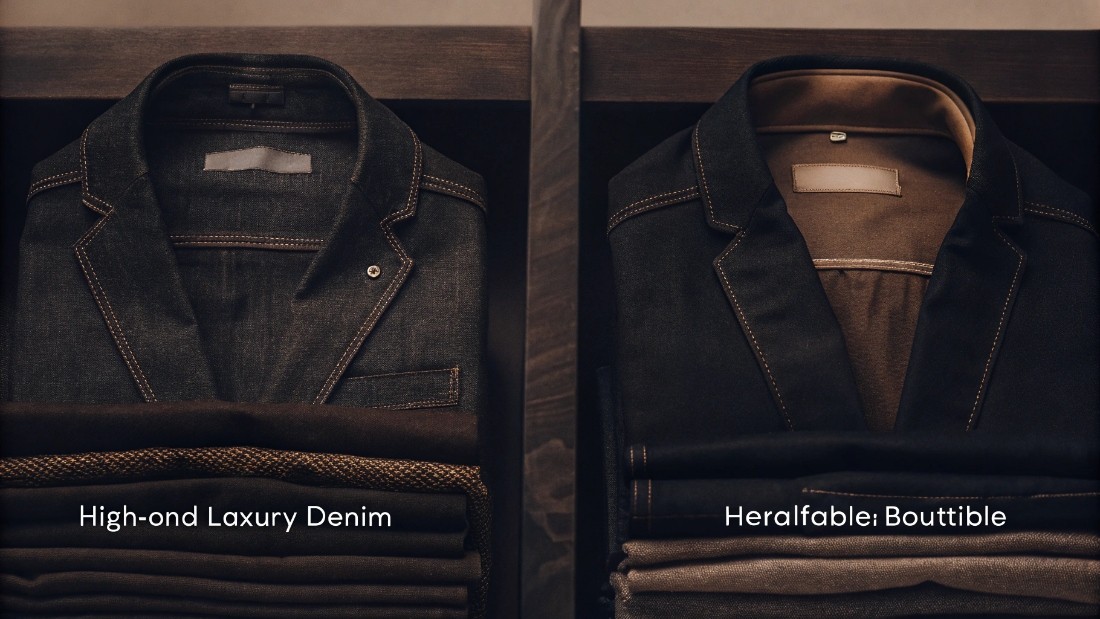
Balancing cost versus long-term value requires a strategic approach:
1. Identify True Value Drivers
Lifetime Repairs: Brands offering free or low-cost repairs (e.g., heritage denim houses or bespoke tailors) can justify higher upfront costs because they extend garment life.
Exclusive Fabrics: Japanese or Italian mills produce limited-quantity fabrics that justify luxury pricing.
Artisanal Techniques: Hand-finishing, hand-stitched hems, and custom fittings demand expertise and time, rewarding the final price with longevity and uniqueness.
2. When to Stick with Big Names
Tailored Suits and Formalwear: Italian couture houses with centuries-old tailoring traditions often outshine mid-range suit brands in fit, drape, and fabric resilience.
Technical Outerwear: Polar fleece innovations from established outdoor brands may outperform smaller alternatives in performance metrics like breathability and water resistance.
Iconic Heritage Denim: Brands that pioneered selvedge production often innovate proprietary dyeing techniques and hardware that can’t be easily replicated.
3. When to Opt for Boutique or Direct-to-Consumer
Everyday Essentials: T-shirts, hoodies, and casual denim can be sourced from vertical, direct-to-consumer labels that skip wholesale markups. They invest savings into better fibers and tighter quality control.
Seasonal Trends: Fast-fashion brands are fine for fleeting trends—but only if you accept disposability. Don’t overinvest in trend-driven items.
Specialty Designs: If you want unique washes, patchwork, or heavily distressed finishes, small-batch workshops can customize and perfect complex styles that big brands mass-produce poorly.
Cost-Benefit Table
| Category | Big Brand Cost Premium | Key Benefits | DTC/Boutique Alternative |
| Tailored Suit | +50–100% | Expert fitting, repair | +10–30%, DIY alternations |
| Selvedge Denim | +70–150% | Heritage fabric, hardware | 30–60%, Japanese mill direct |
| Technical Rain Shell | +40–80% | Proprietary membranes | +20–40%, customizable fits |
4. Building Your Capsule Wardrobe
Core Staples: Invest in high-quality basics (white shirt, jeans, blazer) from brands with proven craftsmanship histories.
Statement Pieces: Opt for mid-range or boutique designers who specialize in the trend or specialty garment you crave.
Rotate and Maintain: Regularly rotate garments to distribute wear and schedule simple repairs to maximize lifespan.
By combining strategic premium investments with discerning direct-to-consumer purchases, you can ensure every dollar you spend translates into long-term wear, satisfaction, and a wardrobe you’re proud to wear.
Conclusion & Call to Action
After unpacking myths, dissecting materials, and mastering inspection techniques, you now hold the keys to a smarter shopping experience. Quality doesn’t hinge solely on prestige—it emerges from intentional choices at every production stage. Whether you’re filling your boutique shop with standout denim pieces or sourcing custom-plus-size jeans for your online store, DiZNEW has the expertise, manufacturing flexibility, and fabric sourcing to bring your vision to life.
Ready to elevate your brand or retail assortment with truly durable, head-turning denim? Contact DiZNEW today. Our factory offers:
Fully customizable runs starting at 30 pieces
Complex style capabilities, from baggy to selvedge, joggers to jackets
High-volume production up to 10,000+ units
OEM/ODM services with your logo, design, and quality standards
Reach out now for a fast quote and see how DiZNEW can transform your denim ambitions into reality—no brand name required for unmatched quality.
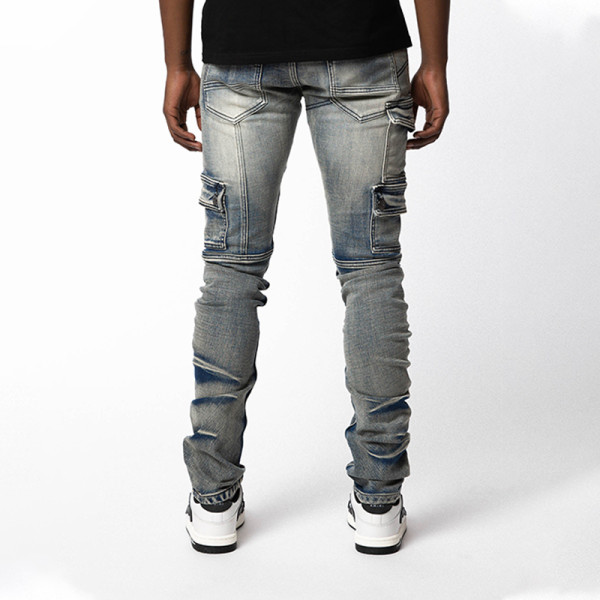
Sculpted arc-leg jeans with multi-zip pockets and washed grunge finish—built for avant-garde designers.
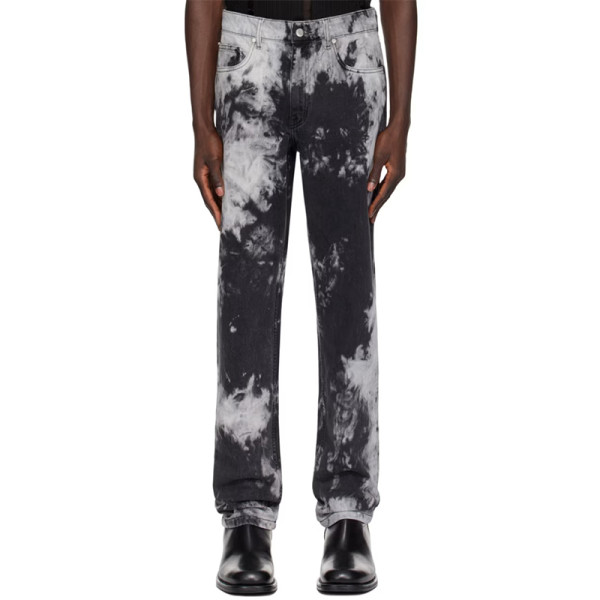
Statement jeans with a bold cloud-wash in black and white—artistic, edgy, and full of attitude.
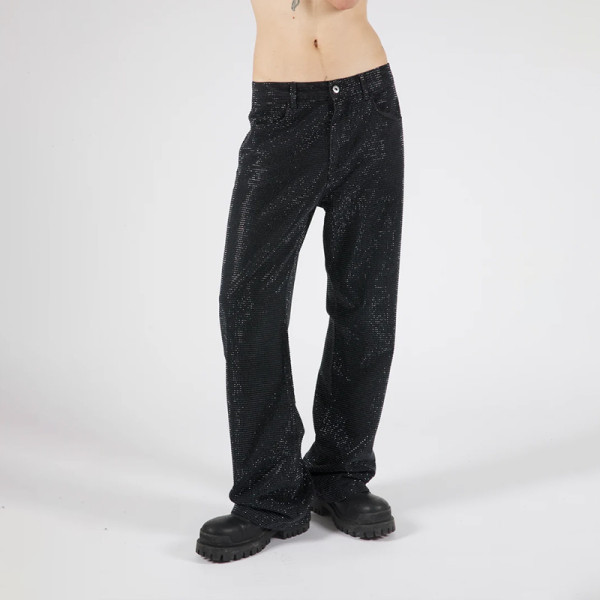
Shimmering black denim with full rhinestone coverage. Made-to-order for premium fashion labels.
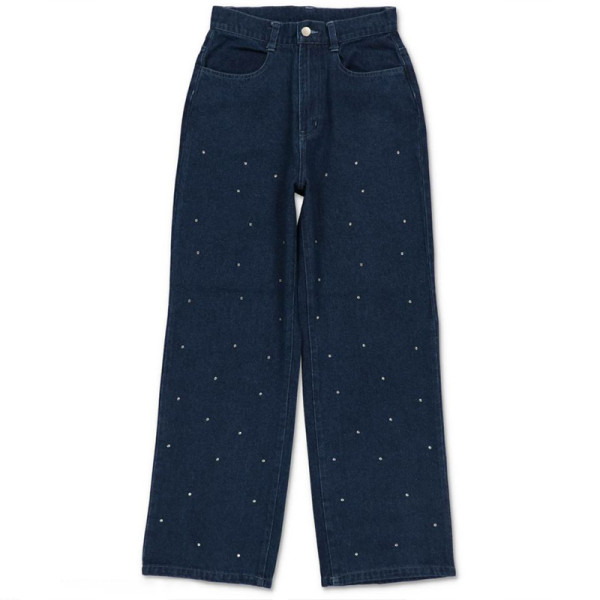
Elegant dark denim jeans with pearl accents, perfect for boutiques and high-end custom fashion lines.