Denim VS Canvas: How to Choose the Ideal Pants for You? An Expert Guide
- Share
- Issue Time
- Dec 16,2025
Summary
Discover the ultimate guide to choosing between denim and canvas pants. Learn expert tips to find the perfect fit for your style and comfort needs.
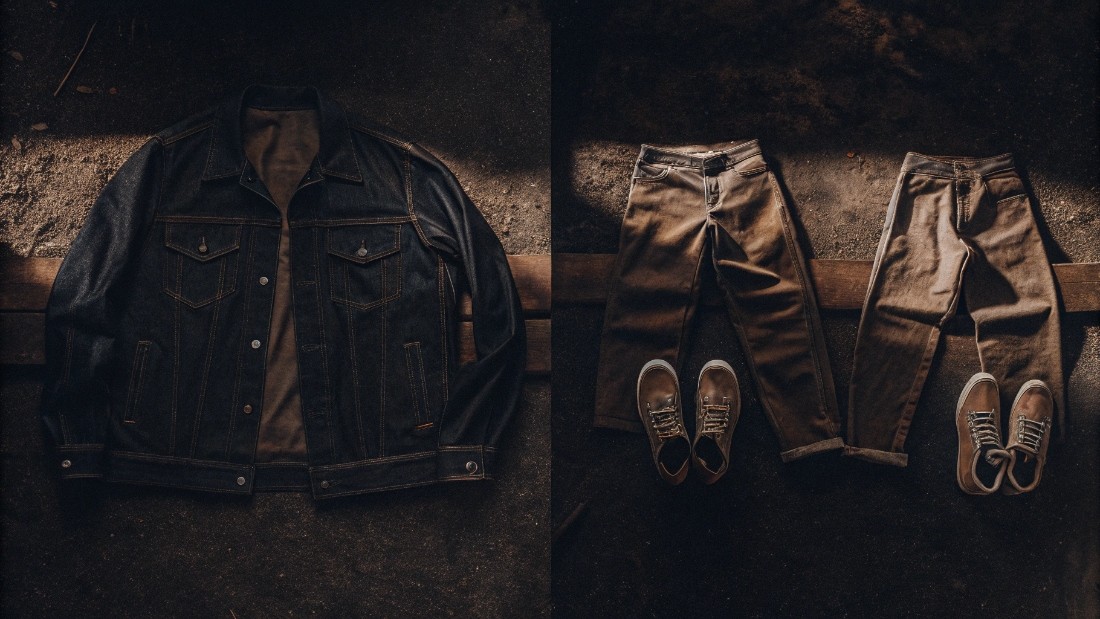
Whether you’re an outdoor enthusiast, a streetwear aficionado, or a boutique owner sourcing the next bestseller, understanding the nuances can save you time, money, and wardrobe regrets.
Denim is a cotton twill weave known for its diagonal ribbing, heavyweight durability, and classic fade over time. Canvas is a plain weave, heavier and more rigid at first but softens with wear, excels in abrasion resistance, and works great for utility or casual pants. Twill sits between, offering a softer hand than canvas but less structure than denim.
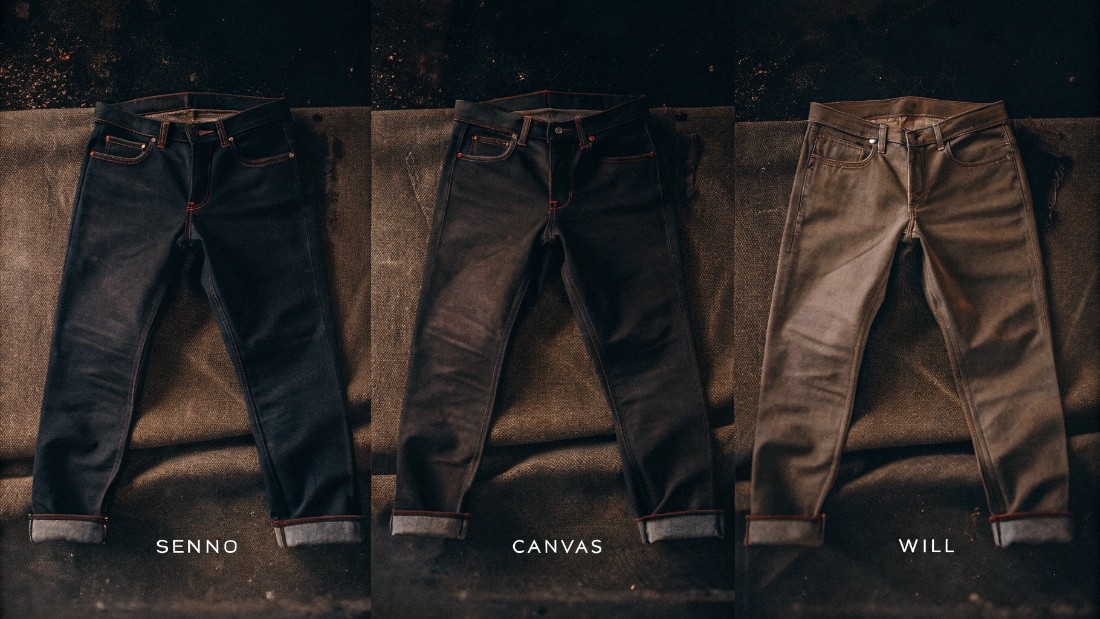
A mountain guide recalls the first time he wore canvas pants on a glacier expedition—they held up against ice scrapes better than any jean he’d tried. And a fashion influencer swears by vintage selvedge denim for that lived-in look you can’t fake.
Intrigued? Stick around as we unpack everything from fiber structure and maintenance tips to styling advice—and even how you can custom-order your own line of denim or canvas pants from DiZNEW’s 20+ years of factory expertise.
What Are the Key Differences Between Denim, Canvas, and Twill Fabrics?
Denim uses a 3×1 twill weave with indigo-dyed warp and white weft threads, creating its signature diagonal pattern. Canvas employs a plain, 1×1 weave for maximum strength and abrasion resistance. Twill fabric can be cotton or blends with a 2×2 or 3×1 weave, softer than canvas but offering more drape and less visible diagonal texture than denim.
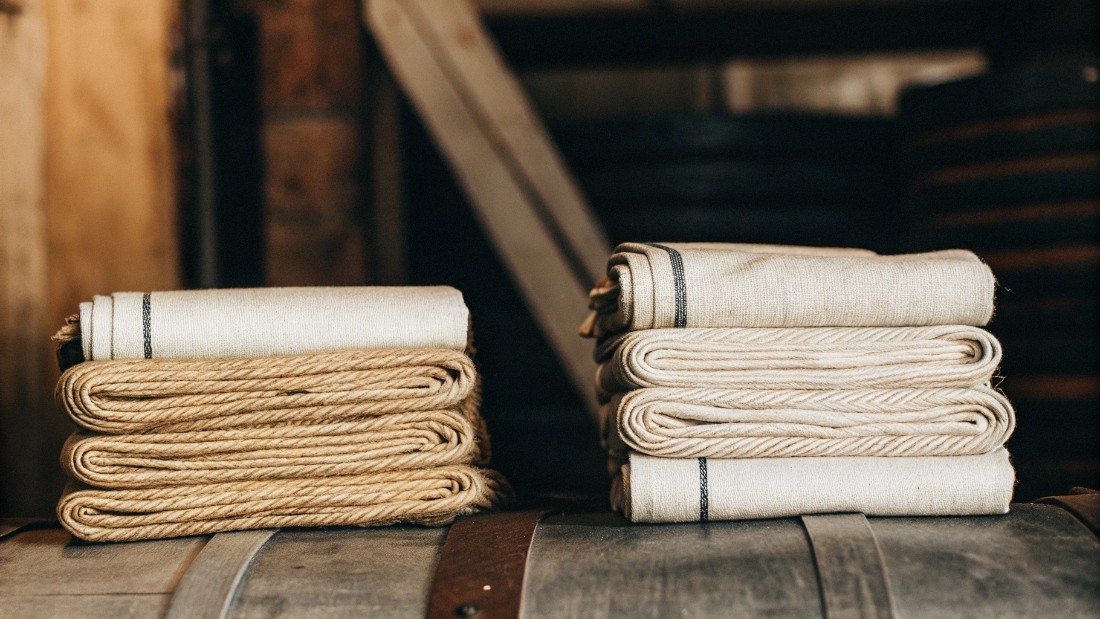
1. Fiber Content and Yarn
Denim is traditionally 100% cotton, though modern iterations add 1–3% elastane for stretch. The warp yarn (longitudinal) is dyed indigo; the weft yarn (crosswise) remains white, producing that iconic fade. Canvas typically uses thicker cotton yarns—sometimes blended with polyester—for extra rigidity and water resistance. Twill can be pure cotton or poly-cotton blends; the blend ratio affects weight, breathability, and cost.
2. Weave Structure and Hand Feel
In denim’s 3×1 twill, each weft thread passes under three warp threads, giving the diagonal ridge. This weave yields a medium-to-heavy hand feel, broken in over many washes. Canvas’s 1×1 plain weave interlaces each warp and weft thread alternately, creating a balanced, basket-like surface that’s initially stiff but softens with wear. Twill’s variations (2×1, 2×2, 3×1) allow fabric manufacturers to fine-tune the balance between drape, durability, and texture.
3. Weight and Performance Metrics
| Weave Type | Typical Weight (oz/yd²) | Tensile Strength (lbs) | Breathability (CFM) |
| Denim (10–16 oz) | 10–16 | 60–80 | 20–25 |
| Canvas (8–16 oz) | 8–16 | 80–100 | 15–20 |
| Twill (6–10 oz) | 6–10 | 50–70 | 25–30 |
Denim’s weight range delivers structure and durability but can feel heavy in hot climates. Canvas balances strength and stiffness; ideal for rugged use. Lighter twills offer the greatest breathability and are often used in chino-style pants.
4. Dyeing and Finishing
Denim undergoes rope-dyeing or slasher-dyeing with synthetic indigo, then resin washes or enzyme treatments to control fade. Canvas often receives pigment or reactive dyes and can be wax-coated or stone-washed for water resistance. Twills might be garment-dyed for soft hand feel and muted hues.
5. Environmental Impact
Traditional indigo dyeing and heavy washes consume significant water and chemicals. Canvas finishes (waxing, PU coating) introduce microplastics concerns. Many manufacturers now offer OEKO-TEX® or GOTS-certified options, so look for those labels if sustainability matters.
Which Fabric Offers Better Durability and Maintenance?
Canvas excels in abrasion resistance and tear strength, making it ideal for heavy-duty wear. Denim, after initial break-in, provides reliable longevity and a prized patina over time. Twill sits in between—easier to clean and maintain but less resistant to heavy scuffs than canvas.
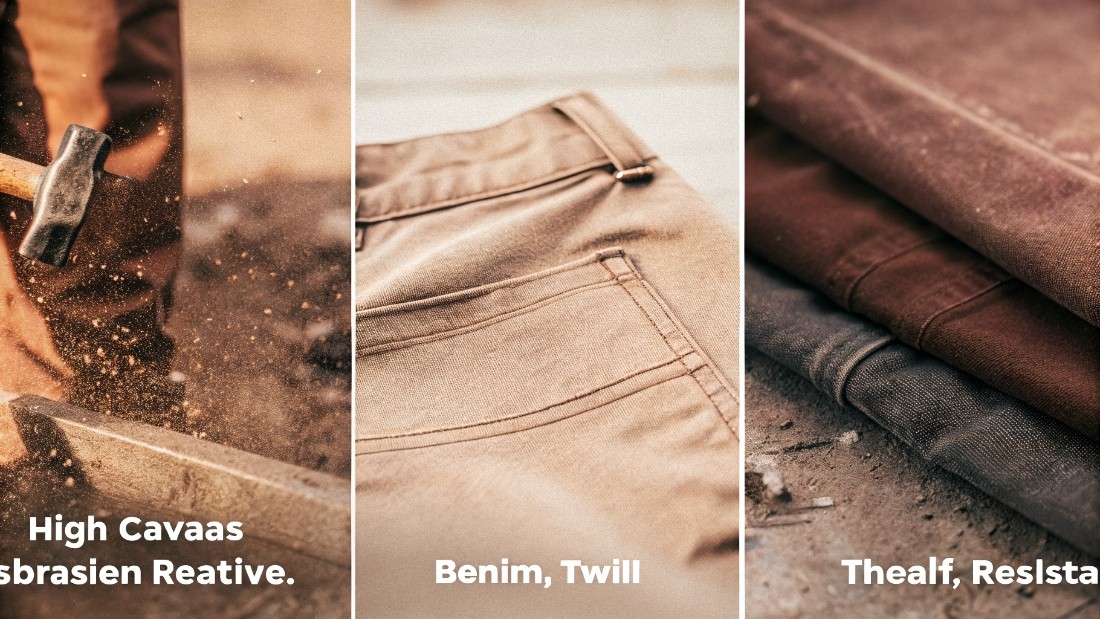
1. Abrasion and Tear Resistance
Canvas’s plain weave and heavier yarn create a tight surface that resists punctures and abrasions. In lab tests, canvas can withstand up to 25% more cycles on the Martindale abrasion tester than midweight denim. Denim’s 3×1 twill weave still performs admirably—especially selvedge denim woven on shuttle looms, which can endure years of wear before developing holes.
2. Care Instructions and Wash Cycles
Denim: Turn inside out, cold wash, mild detergent, line dry. Avoid frequent machine washing to preserve indigo and reduce shrinkage. Use spot treatment for minor stains.
Canvas: Machine wash warm on gentle, mild detergent, tumble dry low or line dry. Waxed canvas may require reproofing with specialized wax every 6–12 months.
Twill: Treat like canvas but expect less stiffness. Garment-dyed twill may bleed; wash with like colors.
3. Stain Resistance and Cleaning
Canvas often gets a protective finish that repels water and oil-based stains better than untreated denim. However, once stained, waxed or PU-coated canvas can be tricky to clean—avoid solvents that degrade coatings. Denim’s open twill allows easier penetration of stains but also rinses out more readily.
4. Longevity and Value Over Time
A well-made pair of canvas pants (10 oz) can last 5+ years of daily weekend wear. A 14 oz selvedge denim jean can last 7–10 years, developing unique fade patterns valued by enthusiasts. Twill chinos might need replacement every 2–3 years if worn daily.
5. Repairability and Upcycling
Canvas tears are simpler to patch invisibly; the plain weave conceals darned areas well. Denim repairs—like sashiko stitching—become part of the garment’s aesthetic. Twill repairs show more easily but can be reinforced with interfacing or patches.
How Do Fit, Comfort, and Style Varieties Compare in Denim vs Canvas Pants?
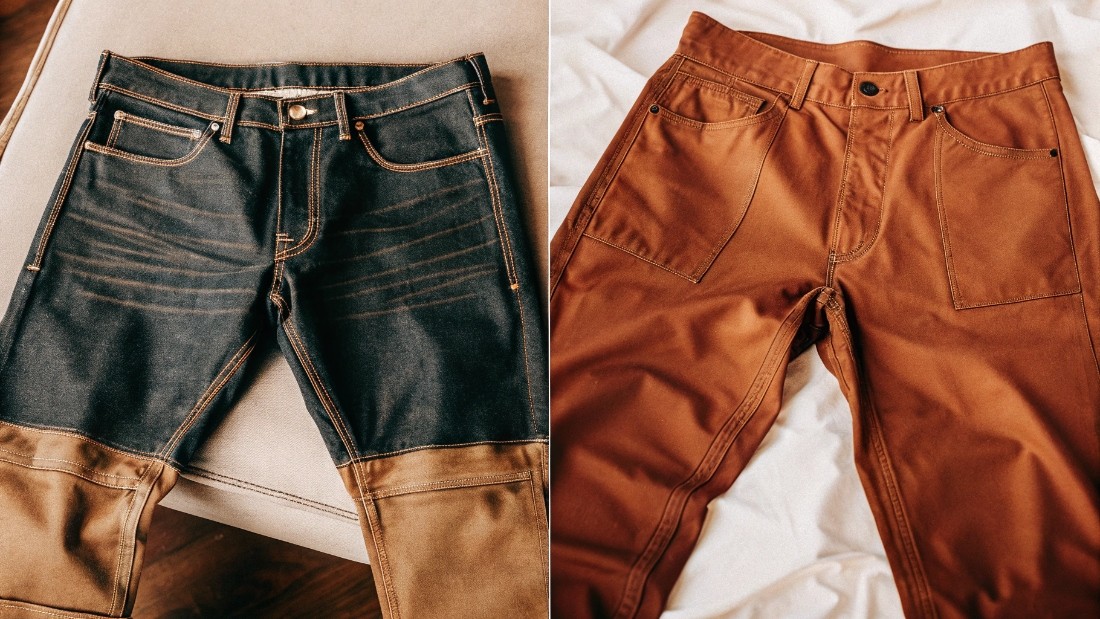
Denim offers structured fits that mold to your body over time—ideal for skinny, straight, and tapered cuts. Canvas provides more initial rigidity, perfect for relaxed, baggy, or cargo styles; it softens after a few wears. Plus sizes and jogger silhouettes benefit from stretch-enhanced denim blends.
1. Break-In and Stretch Characteristics
Pure cotton denim starts rigid but gradually conforms through wear. Stretch denim (with 1–3% elastane) offers immediate comfort and shape retention. Canvas’s inflexibility can feel stiff on first wear but relaxes by 10–20% after 3–5 washes.
2. Seasonal Comfort and Breathability
Denim’s heavier weight traps heat—perfect for fall/winter, less so in summer. Twill chinos excel in spring/summer thanks to lightweight weaves and higher airflow. Canvas strikes a middle ground but can feel warm in direct sun.
3. Fit Profiles Across Styles
Skinny/Stretch (Denim): Hug the leg, require elastane for mobility.
Straight/Straight-Leg (Denim & Twill): Classic fit, suits most body types.
Baggy (Canvas & Denim): Canvas baggies hold shape; denim baggies break in into a lived-in drape.
Joggers (Denim & Canvas): Elastic cuffs, drawstring waists—canvas versions often more utilitarian, denim joggers lean casual.
Plus Sizes (Denim): Mid-high stretch content, custom waistband extension, and additional room in seat/thigh. Canvas plus sizes require pattern adjustment for comfort.
4. Functional Features and Detailing
Canvas cargo pants: multiple pockets, hammer loops, reinforced knees.
Denim work pants: rivets, triple-stitched seams, hammer loops on carpenter styles.
Twill chinos: clean silhouette, minimal hardware, garment-dyed for softness.
5. Customization Potential
At DiZNEW, we offer bespoke pattern grading for plus sizes, custom pocket shapes, branded leather patches, and fabric blends—mix canvas and denim panels to create unique hybrid pants.
Which Styles and Occasions Suit Denim Jackets, Pants, and Even Shoes?
Denim jackets shine as transitional layering pieces in spring and fall; canvas jackets excel in rugged outdoor settings. For pants, denim works for streetwear and casual Fridays; canvas pants dominate workwear and outdoor activities. Canvas shoes (like classic plimsolls) outperform denim in durability and water resistance, while denim sneakers offer style versatility.
1. Jackets: Denim vs Canvas
Denim Jacket: Structured silhouette, collapsible collar, chest pockets—versatile from concerts to brunch.
Canvas Jacket: Often waxed or coated, multiple utility pockets, storm flaps—ideal for hiking, camping, fieldwork.
Styling Tip: Throw on a selvedge denim jacket over a linen shirt for city exploring; choose a waxed canvas chore coat for farm-to-table dining or weekend fishing.
2. Pants: Denim Jeans vs Canvas Trousers
Denim Jeans: Classics like slim-straight or high-waist black denim suit urban environments and casual office days.
Canvas Trousers: Cargo pants or chore pants with reinforced knees, D-rings, and utility pockets are perfect for tradespeople and outdoor enthusiasts.
Styling Tip: Roll the cuff of your denim jeans over leather boots; for canvas cargos, pair with trail sneakers or work boots.
3. Shoes: Denim vs Canvas vs Twill
Canvas Sneakers (e.g., Converse): Lightweight, breathable, quick-drying—ideal for everyday casual.
Denim Sneakers: Offer a textured, premium look; best for dry, social environments.
Twill Shoes: Rare but present in chukka boots and moccasins—softer hand feel, more premium comfort.
Maintenance: Canvas shoes take a gentle machine wash; denim kicks need spot cleaning to preserve indigo.
4. Cross-Fabric Hybrids
Jackets with denim bodies and canvas sleeves.
Canvas pants with denim pocket bags or knee reinforcements.
Hybrid sneakers mixing denim uppers with canvas lining.
5. Occasion Matrix
| Occasion | Denim Jacket | Canvas Jacket | Denim Jeans | Canvas Pants | Canvas Shoes | Denim Shoes |
City Stroll | ✔︎ | – | ✔︎ | ✔︎ | ✔︎ | ✔︎ |
| Hiking/Camping | – | ✔︎ | – | ✔︎ | ✔︎ | |
| Casual Office | ✔︎ | – | ✔︎ | – | – | ✔︎ |
| Weekend DIY | – | ✔︎ | – | ✔︎ | – | – |
How to Source Custom or OEM/ODM Denim and Canvas Products for Your Brand ?
DiZNEW requires a minimum order of 30 pieces for bespoke designs and can scale up to 10,000+ units. You’ll receive expert guidance on fabric choice, fit, hardware, and finishing. Expect a 4–6 week sample lead time and 60–90 days production for bulk orders, plus support on packaging, labeling, and compliance.
1. MOQ, Lead Times, and Pricing
Sample MOQ: 1 pcs.
Bulk MOQ: 30 pcs per color/style; scalable to 10,000+ units.
Sample lead time: 2–3 weeks (pattern, proto, fit adjustment).
Production lead time: 25–45 days after sample approval.
Pricing Factors: fabric weight and origin, hardware complexity, wash treatments, labeling.
2. Design-to-Production Workflow
Initial Consultation: Share design sketches, tech packs, and mood boards.
Fabric Sourcing: Choose from 50+ denim mills and canvas suppliers—organic, stretch, rigid, coated.
Pattern Making & Grading: Custom fit for sizes XS–5XL, plus grade rules for baggy or tapered fits.
Sample Development: Proto sample and fit sample rounds, photo approval.
Production & Quality Control: In-line inspections, AQL 2.5 standard, final inspection report.
3. Customization Options
Fabric Blends: Denim-cotton-linen, canvas-polyester blends, waxed finishes.
Hardware: Branded buttons/rivets, YKK zippers, D-rings, toggles.
Labels & Packaging: Woven labels, printed tags, custom bags, hangtags with QR codes.
Wash & Finish: Enzyme washes, sandblasting, stone wash, resin coating, garment-dye, laser distressing.
4. Compliance and Certifications
OEKO-TEX®, GOTS, REACH, BSCI factory audit.
Social compliance: fair wages, safe working conditions.
Eco-initiatives: water-saving dyeing, low-impact finishing, waste reduction.
5. Why Partner with DiZNEW?
20+ years of denim and canvas expertise under one roof.
One-stop OEM/ODM solution from fabric to final packaging.
Transparent communication via dedicated account manager.
Competitive pricing and scalability for small brands and high-end labels alike.
Conclusion & Call to Action
Whether you’re debating between rugged canvas cargos for outdoor adventures or broken-in selvedge denim for city life, understanding the distinct advantages of each fabric is crucial. At DiZNEW, we transform your design visions—be it a limited-run plus-size jean or a large-scale custom canvas pant order—into high-quality, market-ready products.
Ready to elevate your brand with expertly crafted denim or canvas apparel? Contact DiZNEW today for a free consultation and sample quote. Let’s customize the perfect pants for your customers—30 pieces or 10,000, we’ve got you covered.
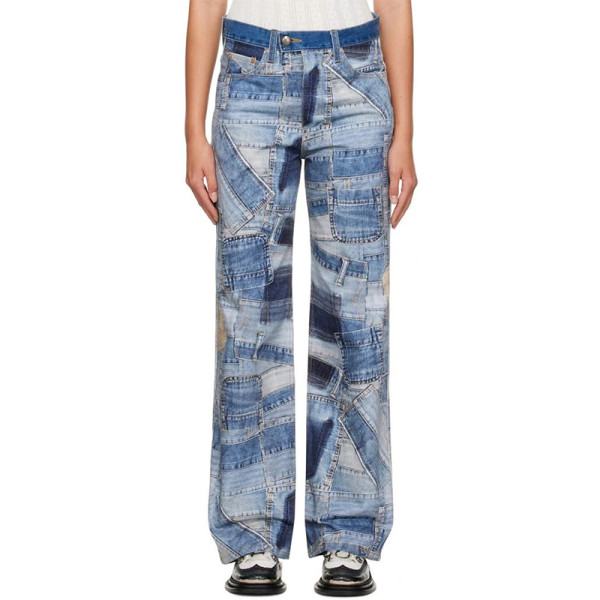
Elevate your collection with our OEM/ODM Custom Digital Printing Blue Patchwork Jeans, perfect for brands seeking unique styles in bulk.
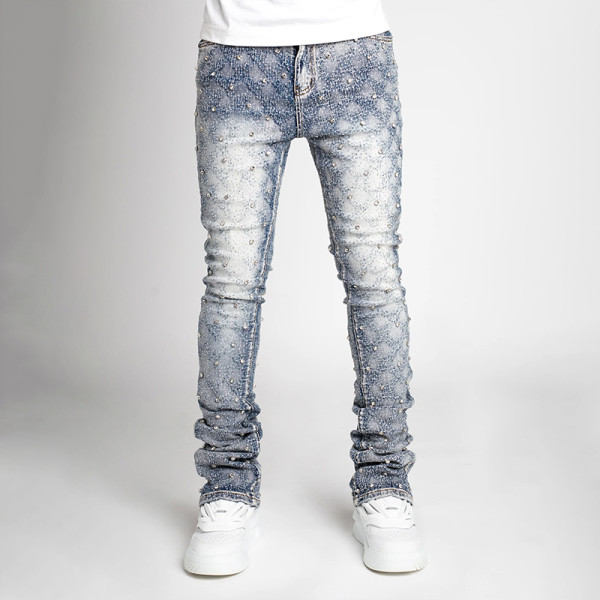
Stacked skinny jeans with all-over rhinestone detail and vintage wash. Built for high-end and boutique fashion labels.
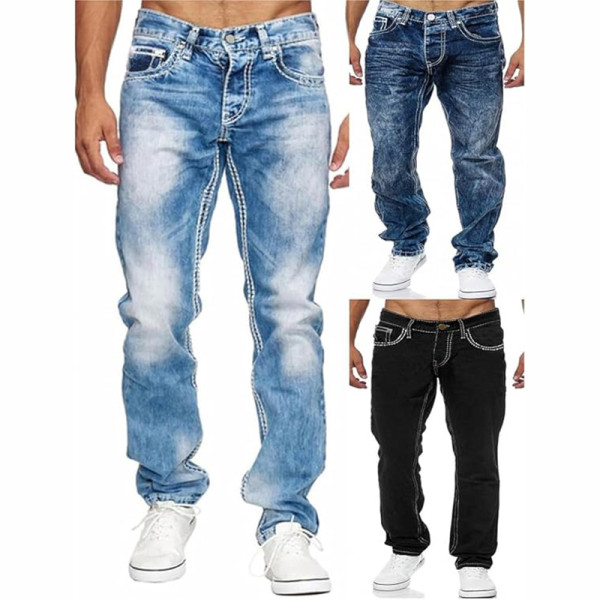
Classic straight jeans with bold contrast stitching in light blue, dark blue, and black — made for standout collections.
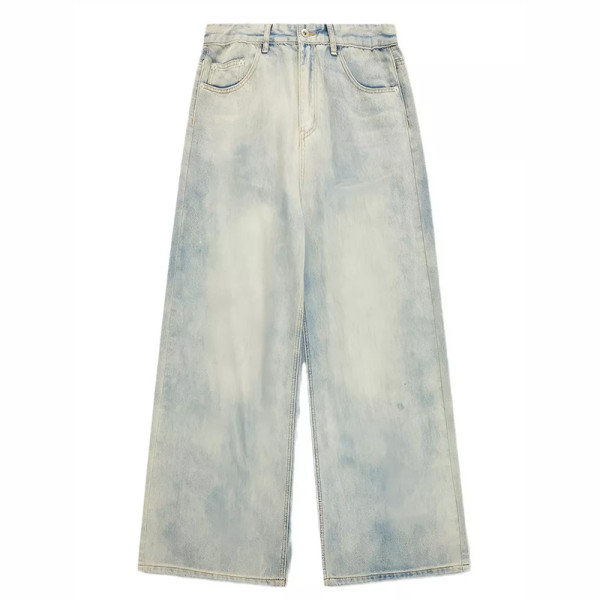
Washed high-rise wide-leg jeans with clean lines and vintage tint — ideal for refined luxury denim collections.